
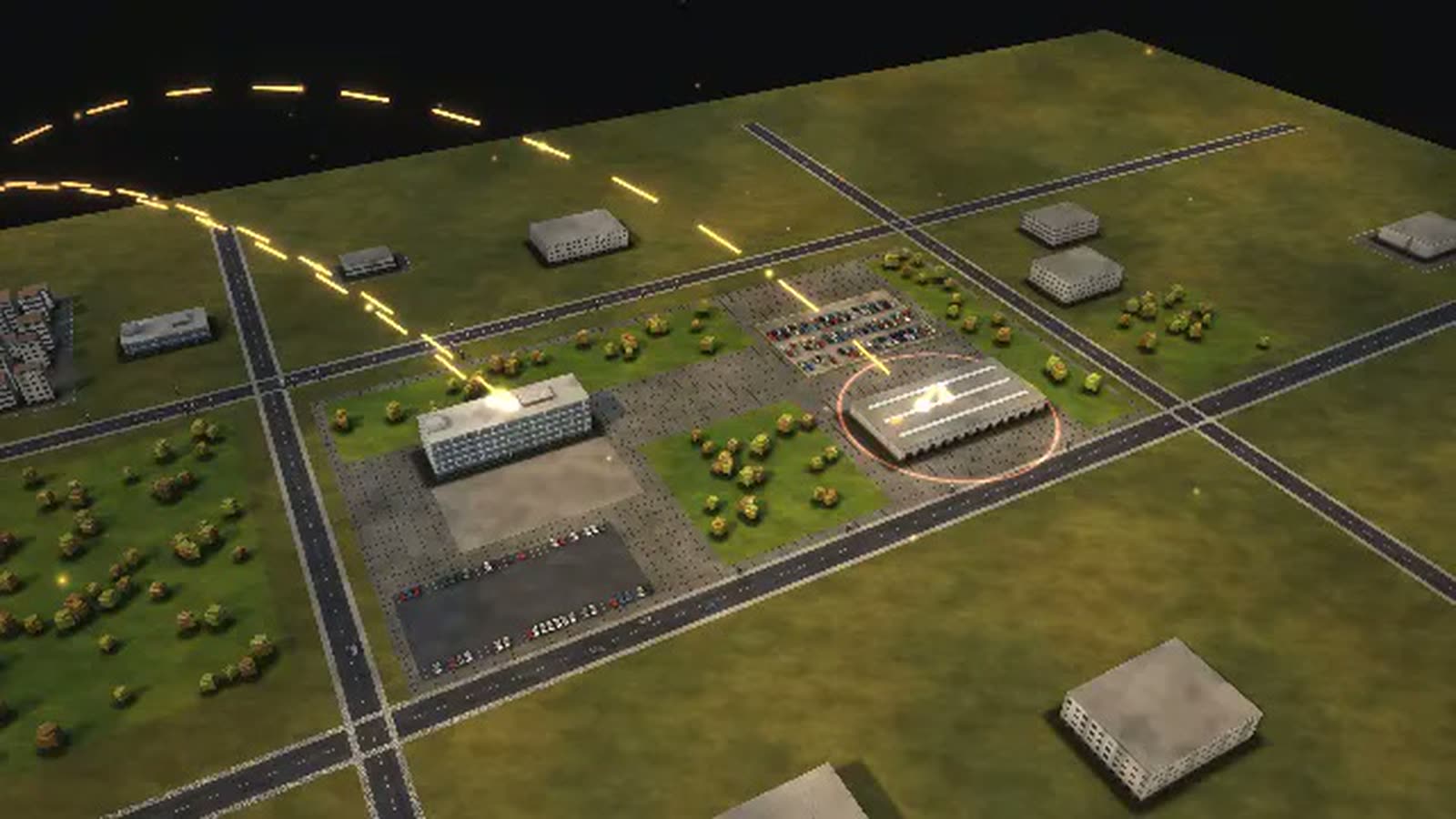
Simulation · Minimal Organization · Mid-sized firms and services
Housing company
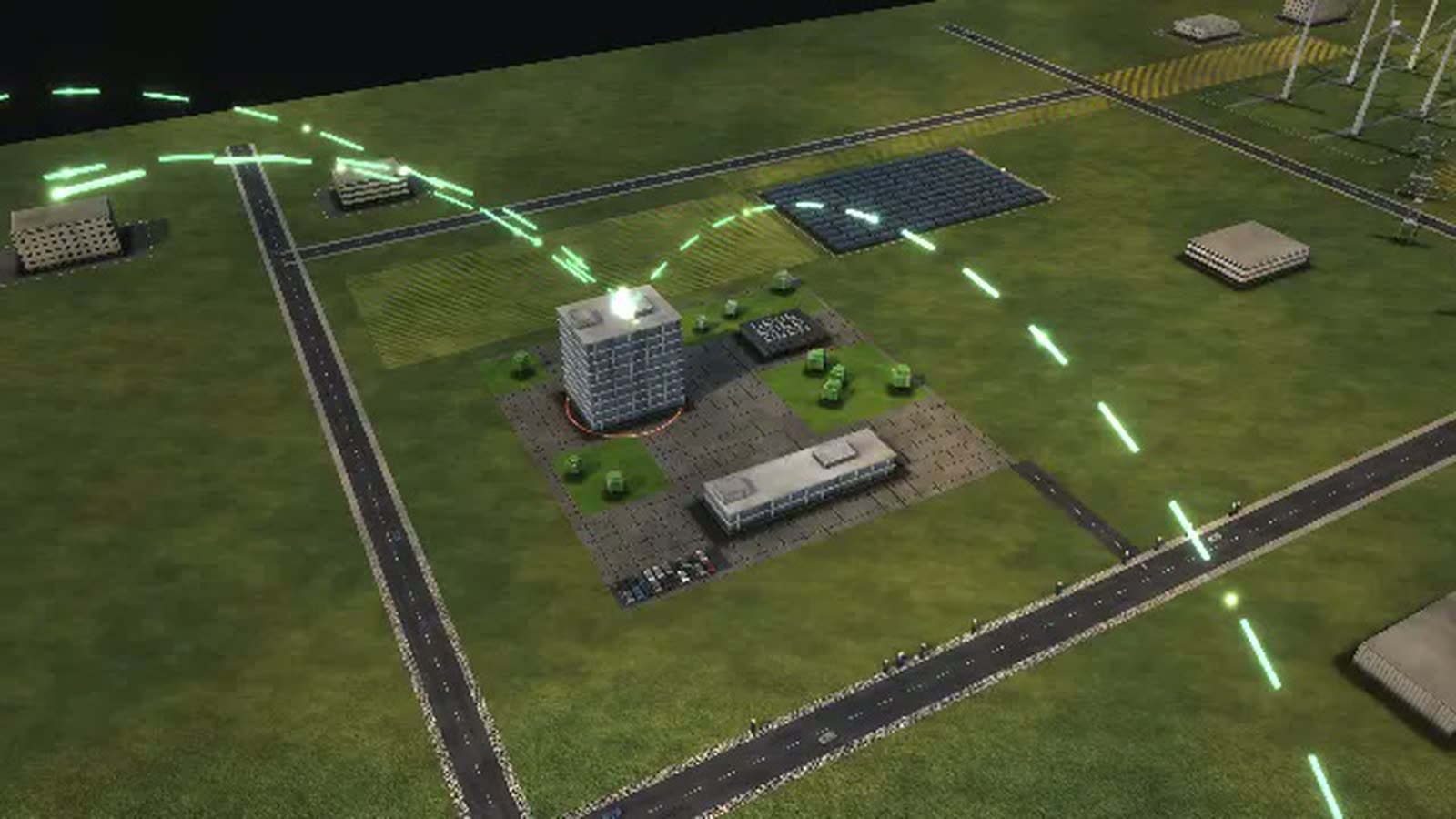
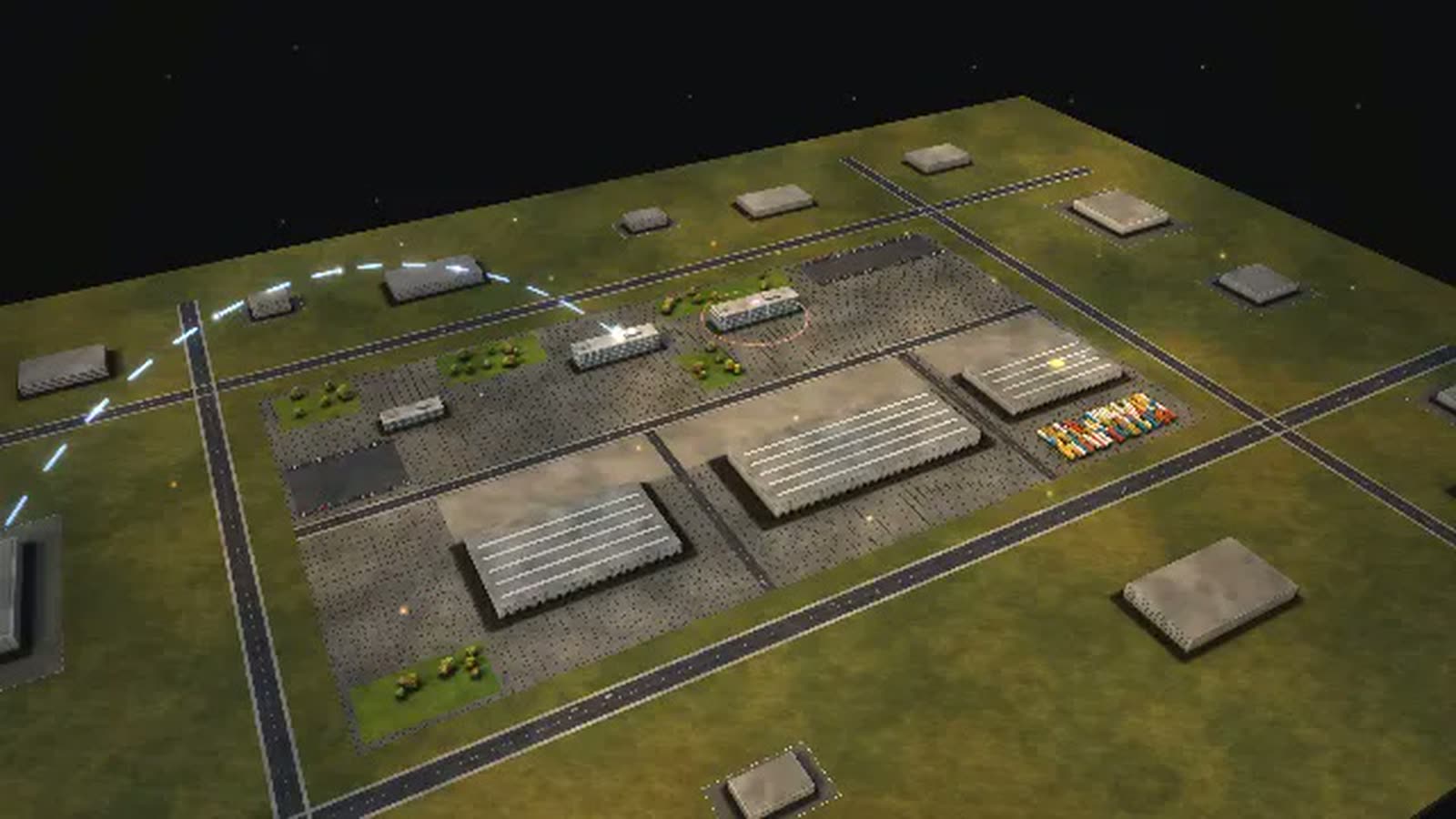
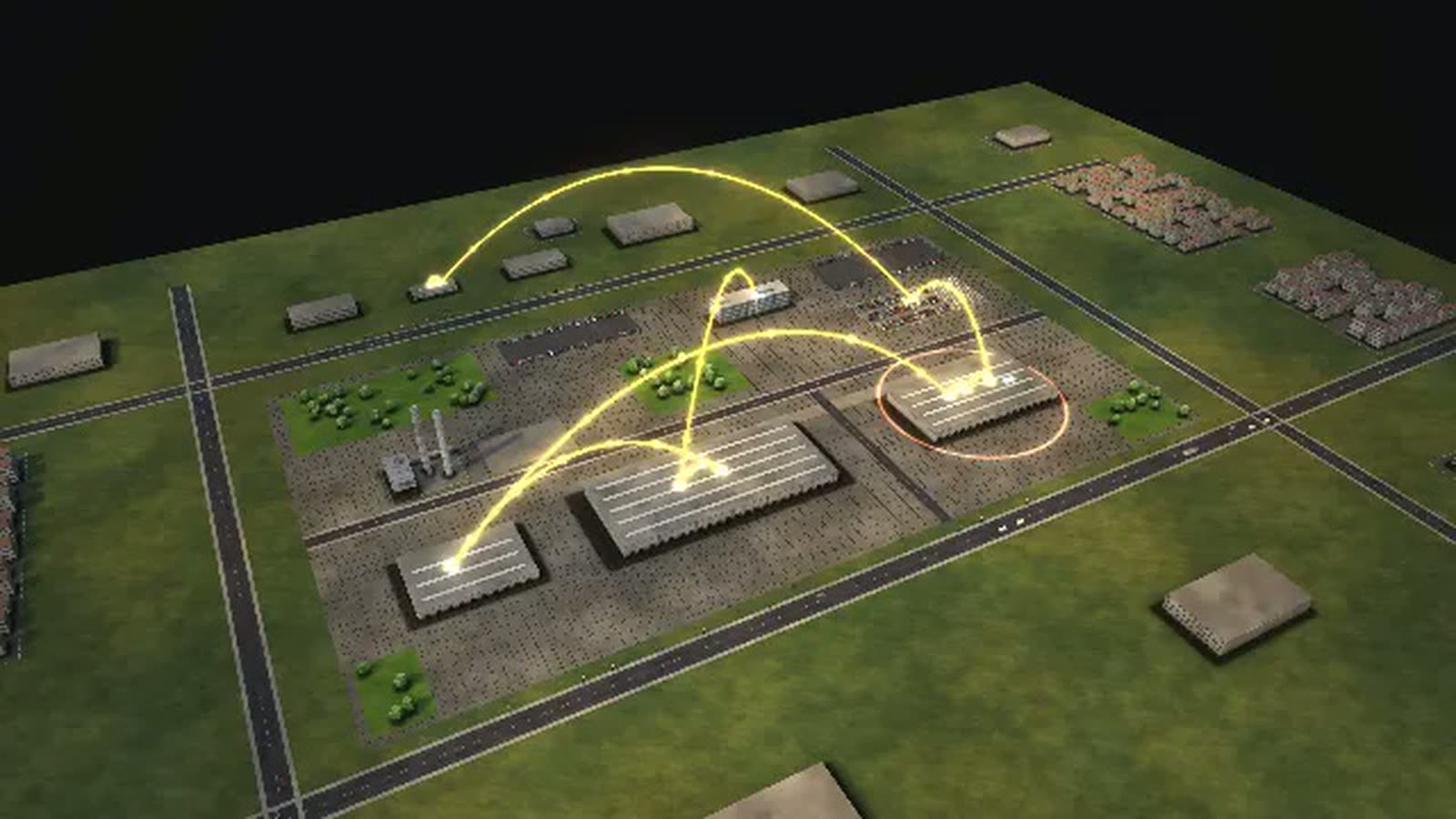
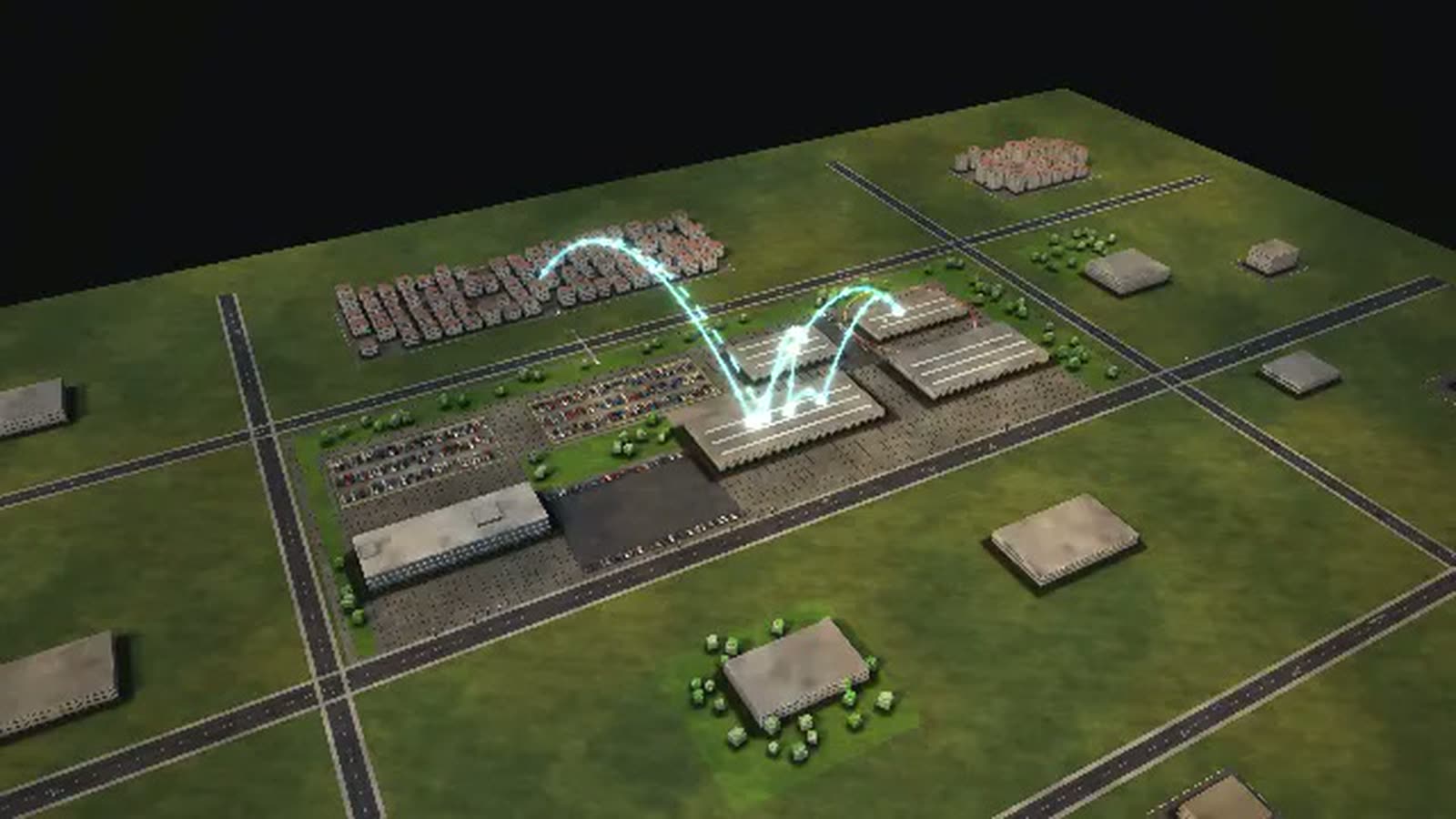
A municipal housing company as a walkable model: what happens after a tenant reports a cold radiator, who repairs it and what speeds up the fix.
All data are fictional. Your real figures can be brought in, and the model can then reveal what no list shows today – for example repair reports per building and trade, or how reliably framework contractors keep appointments.
This tenant repair request process is shown in the fictional WESTERBRÜCKER WOHNEN, a municipal housing company with around 19,500 flats, from the first call to the paid invoice. Every morning its own craftsmen drive into the neighbourhoods – to cold radiators, dripping taps and empty flats.
The main process starts with a tenant whose radiator in the children's room stays cold. The tenant centre asks how urgent it is; emergencies go straight to the emergency service, and some cases are solved on the phone. Otherwise technical services decide: the in-house trades, whose route leaves at 6:30, or a firm under a framework contract, whose invoice is checked afterwards. Target: done within five working days, modelled as seven calendar days.
A change of tenant with refurbishment of the empty flat, the annual service charge statement and an energy refit run in parallel, across six buildings and 20 departments. The page is for managing directors and supervisory boards, technical and asset management, customer service, HR and training.
The heating is cold
- 01
Tenant reports a defect: A tenant calls: the radiator in the children's room stays cold.
- 02
Tenant centre records the report: The tenant centre records the damage and asks: how urgent?
- 03
Solved by phone: radiator bled, fuse back on.
- 04
Emergency service of the in-house trades: The emergency service sets off at once – also at night and at weekends.
- 05
Emergency fixed.
- 06
Technical services decides and commissions: Technical services decides: in-house trades or a framework firm?
- 07
Inspection on site: A technician inspects the damage: damp, mould or a pipe?
- 08
Appointment with the tenant: Dispatch calls: when is someone at home?
- 09
In-house trades route plan (daily 6:30): Dispatch puts the job into tomorrow morning's route.
- 10
In-house craftsmen repair: A heating engineer replaces the thermostatic valve.
- 11
Spare part from the wholesaler: The spare part is ordered from the wholesaler.
- 12
Feedback via app, job closed: The craftsman reports via app: done, with photo and working time.
- 13
Done.
- 14
Trade firm repairs (framework contract): A plumbing firm under framework contract arranges a date and repairs.
- 15
Check the invoice: Technical services checks the invoice against job and contract.
- 16
Firm reworks: The firm reworks.
- 17
Pay the invoice: Accounting pays the firm.
- 18
Repaired and paid.
How a housing company can use the model
-
Internal communication
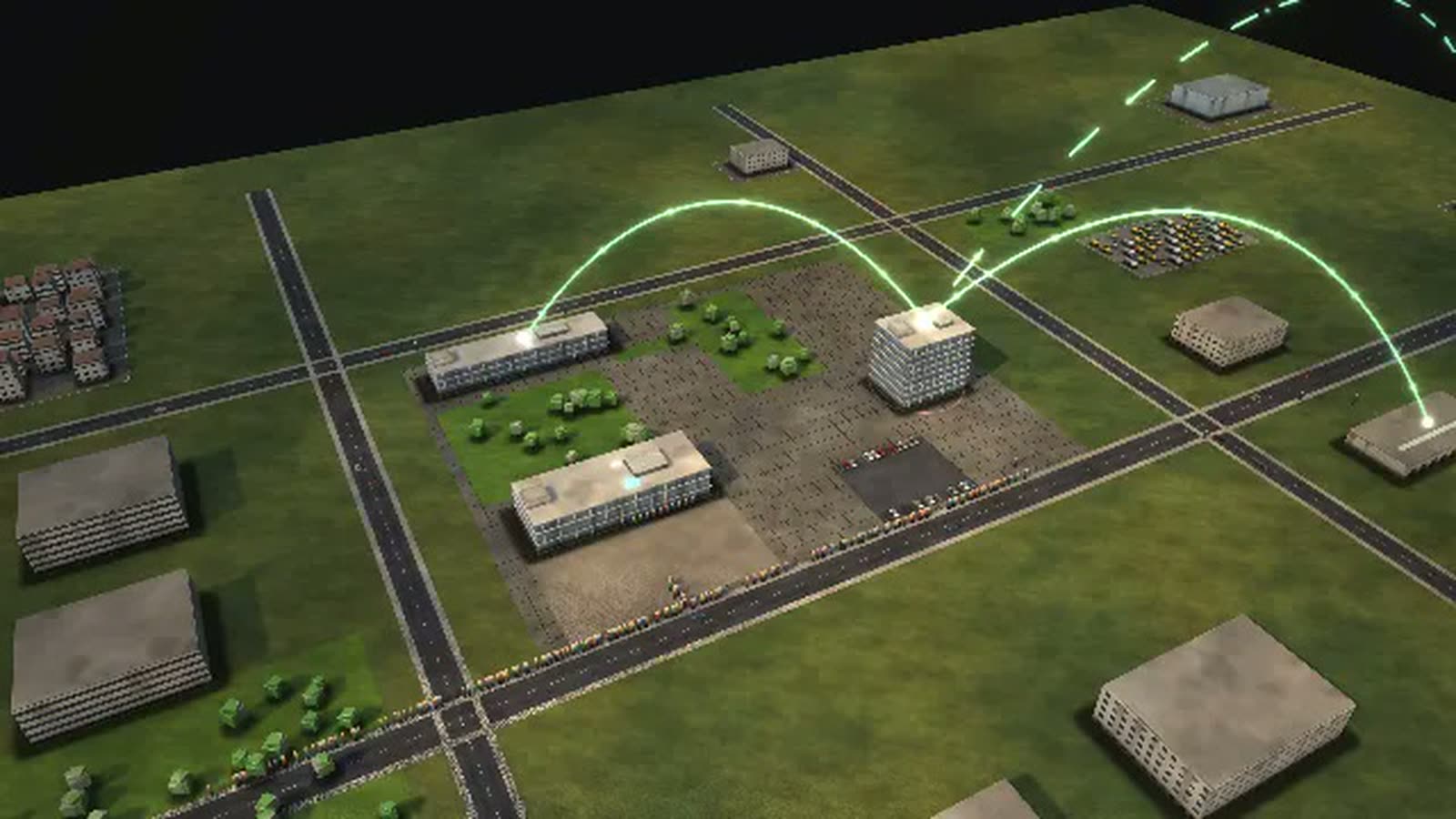
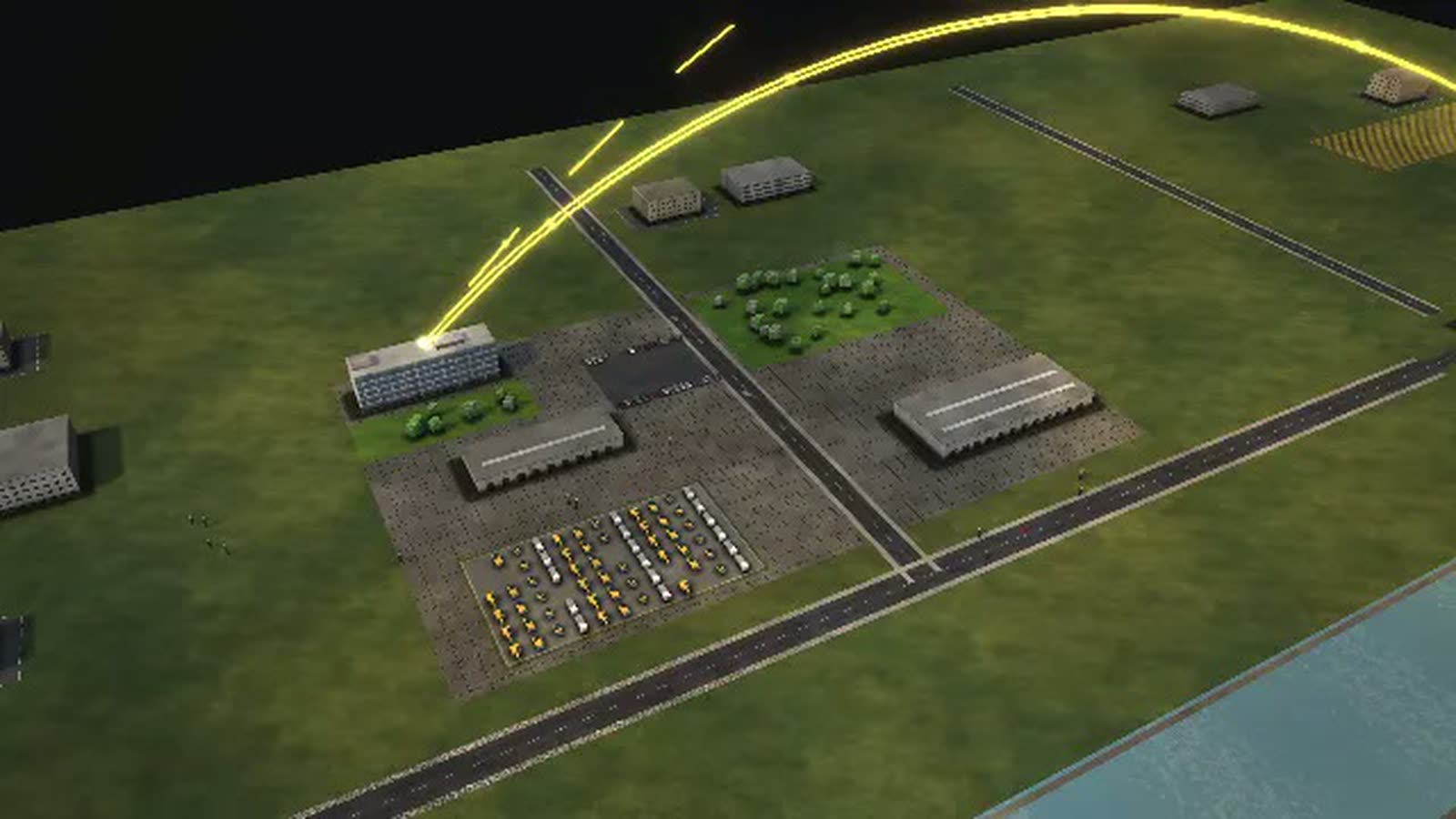
Head office, depot, vehicle yard, two customer centres and the Lindenhof site in one picture. The collaboration view shows how tenant centre, technical services, in-house trades and accounting connect.
Pour quiManagement, managers, caretakers
-
Onboarding
New staff in the tenant centre or dispatch see what happens after they log a report: inspection, appointment, route, repair, feedback via app, invoice.
Pour quiNew staff in customer service, technical services and dispatch
-
Training
Real estate apprentices send a cold snap or let a framework contractor drop out and see where the bottleneck in the trades appears.
Pour quiTraining, apprentices, work-study students
-
Explaining to tenants
How long does a repair take, and who comes? The model shows tenants' council and tenants the path of a report – and what notice, building work and rent increase mean in a modernisation.
Pour quiCustomer service, tenants' council, tenants
-
Strategic overview
Tenant app, framework contracts, in-house trades, empty-flat crew: the model puts the levers for repair time and vacancy side by side. The process ‘A flat becomes vacant’ shows how long a flat stands empty.
Pour quiManagement, supervisory board, the city as shareholder
What is shown – why – for whom
| Ce qui est montré | Pourquoi | Pour qui |
|---|---|---|
| ‘How a case flows’ diagram: in-house trades or contractor | PourquoiShows who does the repair. | Pour quiManagement, technical services |
| ‘What each control does’ diagram: tenant app, framework contracts, in-house trades, empty-flat crew | PourquoiRanks levers for repair time and vacancy. | Pour quiManagement, supervisory board |
| ‘The path across the site’ diagram: from the depot into the neighbourhoods | PourquoiShows the morning route. | Pour quiIn-house trades |
| ‘Year, week, day’ diagram: cold winters and the 6:30 route start | PourquoiShows the peaks. | Pour quiWorkforce planning |
| ‘Where it gets tight’ diagram during a cold snap | PourquoiShows the bottleneck in the trades. | Pour quiTechnical services, tenant centre |
| Process ‘A flat becomes vacant’ | PourquoiShows vacancy until the flat is let again. | Pour quiLetting, city |
| Process ‘A building gets an energy refit’ | PourquoiShows notice, construction and rent increase. | Pour quiTenants, local politics |
Departments in the model
-
Supervisory board
Appointed by the city: supervises management, approves large investments.
-
Management
Runs the company under its articles: good and safe housing at affordable rents.
-
Internal audit
Audits tenders, framework contracts and invoices – independent of the departments, reporting to the board.
-
Customer service and tenant centre
Takes calls, app reports and visits at the counter.
-
Letting
Markets free flats, selects tenants and signs contracts.
-
Portfolio management and customer centres
Looks after the buildings on site: inspections, handovers, neighbours.
-
Caretakers
Small repairs, stairwells, grounds, contact in the building.
-
Neighbourhood management
Meeting places, neighbourhood projects, work with local clubs.
-
Social management
Advises on rent arrears and conflicts, assesses hardship cases in modernisations.
-
Technical services and maintenance
Decides who repairs, inspects damage on site and checks the invoices.
-
In-house trades
Plumbing, heating, electrics, painting, joinery – with their own vans.
-
Job dispatch
Plans the craftsmen's routes every morning.
-
Materials store
Spare parts, fittings, thermostats; reorders from wholesalers.
-
Purchasing and tendering
Tenders framework contracts and construction work.
-
Modernisation and new build
Plans energy refurbishments and new builds, manages the sites.
-
Accounting and controlling
Rents, payments, business plan and annual accounts.
-
Service charge accounting
Settles heating, water, waste and caretaking per flat every year.
-
Receivables management
Sends reminders, agrees instalments, starts court proceedings as a last resort.
-
IT and digitalisation
Housing ERP, tenant app, mobile job control.
-
HR and legal
Posts, training, tenancy law and contracts.
All processes in the model
The heating is cold
- 01Tenant reports a defect: A tenant calls: the radiator in the children's room stays cold.
- 02Tenant centre records the report: The tenant centre records the damage and asks: how urgent?
- 03Solved by phone: radiator bled, fuse back on.
- 04Emergency service of the in-house trades: The emergency service sets off at once – also at night and at weekends.
- 05Emergency fixed.
- 06Technical services decides and commissions: Technical services decides: in-house trades or a framework firm?
- 07Inspection on site: A technician inspects the damage: damp, mould or a pipe?
- 08Appointment with the tenant: Dispatch calls: when is someone at home?
- 09In-house trades route plan (daily 6:30): Dispatch puts the job into tomorrow morning's route.
- 10In-house craftsmen repair: A heating engineer replaces the thermostatic valve.
- 11Spare part from the wholesaler: The spare part is ordered from the wholesaler.
- 12Feedback via app, job closed: The craftsman reports via app: done, with photo and working time.
- 13Done.
- 14Trade firm repairs (framework contract): A plumbing firm under framework contract arranges a date and repairs.
- 15Check the invoice: Technical services checks the invoice against job and contract.
- 16Firm reworks: The firm reworks.
- 17Pay the invoice: Accounting pays the firm.
- 18Repaired and paid.
A flat becomes vacant
- 01Tenant gives notice: A couple gives notice: the children have left, they move to a smaller flat.
- 02Record and confirm the notice: The tenant centre confirms the notice and move-out date.
- 03Pre-inspection of the flat: The portfolio manager inspects the flat while the tenants still live there.
- 04Notice period and marketing run at the same time.
- 05Notice period runs (three months): The notice period runs.
- 06Advertise the flat: Letting puts the flat on the portal.
- 07Viewings and applications: Viewings with the outgoing tenants, applications arrive.
- 08Select a tenant: Letting selects: household size, income, neighbourhood.
- 09Housing office nominates tenant (subsidised): The city's housing office nominates an eligible household.
- 10Lease: The lease is signed, move-in after the refurbishment.
- 11The old tenants have moved out.
- 12Move-out inspection: Inspection with report and key handover: bathroom, floors, electrics.
- 13Refurbish the empty flat (in-house): The in-house empty-flat crew refurbishes: electrics, bathroom, floors, painting.
- 14Refurbish the empty flat (firm): A firm refurbishes the flat.
- 15Handover to the new tenants: Key handover to the new family.
- 16Re-let.
A building's service charges are settled
- 01Set up the statement: The accounting year is over: the team sets up the statement for a building with 48 flats.
- 02Metering service and accounting supply at the same time.
- 03Metering service calculates heating costs: The metering service calculates heating costs by consumption per flat.
- 04Compile costs per building: Accounting compiles property tax, waste, water, insurance and caretaking.
- 05All figures are in.
- 06Prepare and check the statement: The team prepares the statement and checks outliers against last year.
- 07Query to the metering service: A meter reading is implausible – query to the metering service.
- 08Printing and dispatch (Fridays): On Fridays the statements are printed and sent to the tenants.
- 09Tenant objects, inspects receipts: A tenant inspects the receipts and objects.
- 10Check the objection: The team checks the objection and corrects if needed.
- 11Book back payment or credit: Credits are refunded, back payments collected.
- 12Settled.
- 13Reminder: Receivables management sends a reminder for the open back payment.
- 14Advice and instalment plan: Social management agrees instalments and arranges help.
- 15Court payment order: The local court issues a payment order.
- 16Claim settled.
A building gets an energy refit
- 01Planning and cost frame: A 1962 terrace: insulation, new windows, heat pump instead of gas boiler.
- 02Tenants' council discusses the plans: The tenants' council discusses the plans and the expected rent increase.
- 03Apply for a development loan: A state bank loan lowers the rent increase.
- 04Supervisory board decides (quarterly): The supervisory board approves the investment – it meets once a quarter.
- 05Tender and award: Tender and award to a construction company.
- 06Modernisation notice to all tenants: All tenants receive the modernisation notice: what, when, how long, what rent increase.
- 07The notice period runs, social management advises.
- 08Notice period (three months): Three months' notice.
- 09Tenant consultation, hardship objections: Consultation at the customer centre: noise, scaffolding, new rent.
- 10Hardship: relocation flat or cap: An elderly tenant gets a temporary flat and a capped rent increase.
- 11Notice period over, hardship cases settled.
- 12Construction with site management: Insulation, windows, heating – while occupied, so flat by flat.
- 13Acceptance of works: Acceptance with list of defects.
- 14Contractor remedies defects: The contractor remedies the defects.
- 15Rent increase after modernisation: Letting declares the rent increase after modernisation.
- 16Modernised.
What you can change
Controls
- Repair reports: Old buildings, frost and heavy rain make reports rise.
- In-house craftsmen: How many jobs the in-house crew handles per day.
- Framework contracts with trade firms: More firms under contract: more jobs go outside, dates come sooner (model assumption).
- Tenant app with self-help: Videos on bleeding radiators and photos of the damage: more cases are solved without a visit, the tenant centre works faster (model assumption).
- Empty-flat crew: How many empty flats the in-house trades refurbish at once.
Disruptions
- Cold snap: Ten days of frost: heating systems fail, pipes freeze – one and a half times as many reports, the emergency service is permanently out.
- Job control system fails: For a day the routes do not reach the craftsmen's devices – the vans stay in the yard.
- Framework firm insolvent: A large plumbing firm drops out for a month: the other firms take much longer to schedule.
- ERP system fails: For four hours the tenant centre, technical services and accounting cannot record anything.
What a housing company gains
-
01
Your housing stock to walk through
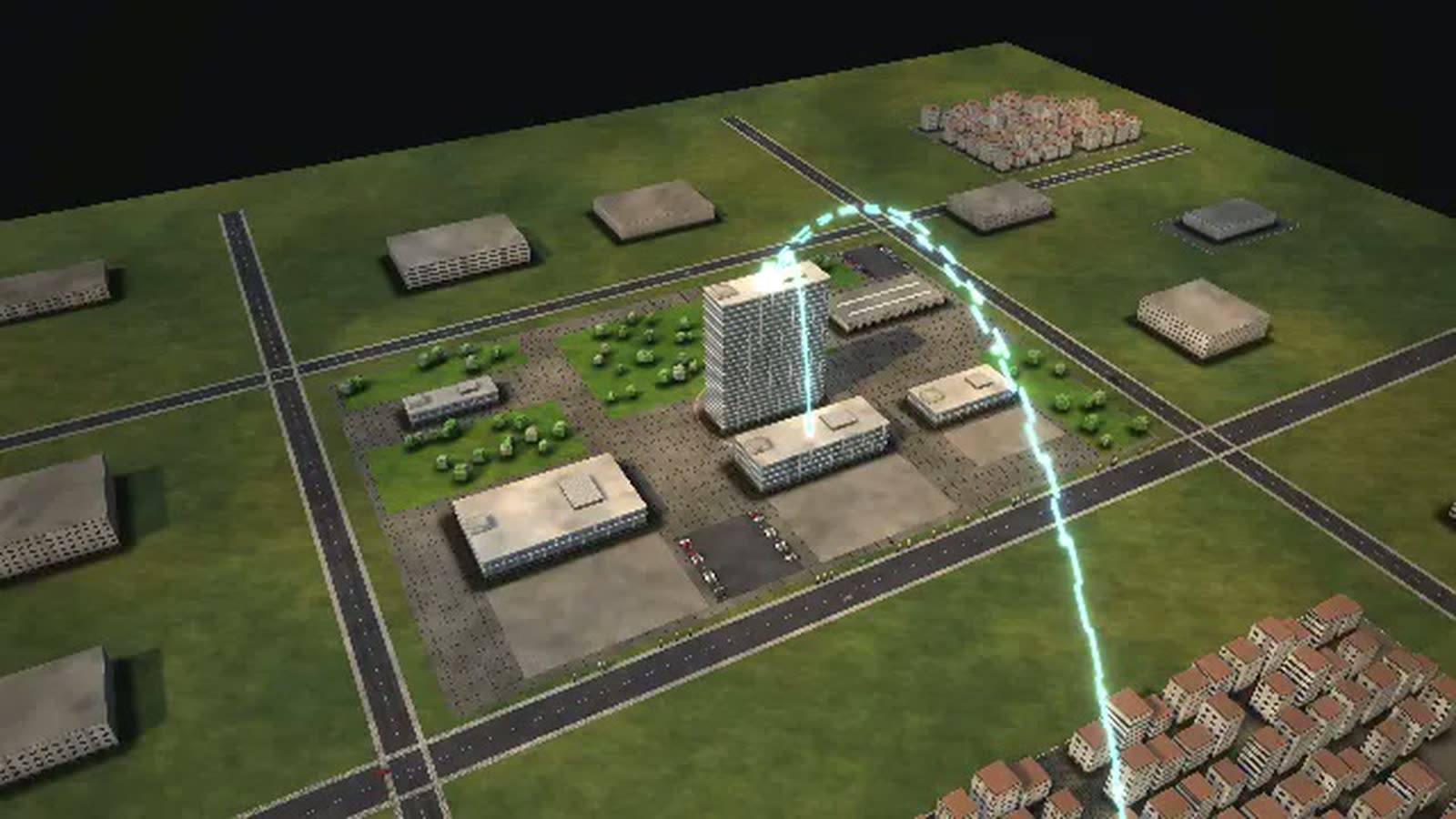
Head office, depot and customer centres open up; points of light show every report on its way through tenant centre, technical services and in-house trades.
-
02
In-house crew and contractor side by side
The simulation splits every repair between in-house trades and framework contractor and shows where jobs wait – for an appointment, a spare part or invoice checking.
-
03
Play through winter in advance
Five controls and four disruptions, from a cold snap to a failed job control system. A tip at every bottleneck points to the control that relieves it.
-
04
Diagrams for board and city
14 diagrams in four groups are generated live from the model, from the org chart to the morning route across the site.
-
05
Present wherever it is needed
In the browser and on large projections, for example in front of the tenants' council or the supervisory board. A guided tour in eight steps explains the start.
-
06
No kit
An artist and developer shaped the model. Next door: a trades business, a city administration and 33 more organisations.
Basis and limits
Fictional company · model based on researched industry structures · no statement about real companies
1 case = 1 repair report, 1 change of tenant, 1 building statement (around 50 flats) or 1 modernisation · 1 figure ≈ 8 employees
All volumes, durations, rates and capacities are model assumptions, not values of a real housing company.
The 5-working-day target is modelled as 7 calendar days for all repairs; emergencies are usually done the same day. The in-house route runs every day in the model.
Documented: landlord's duty to maintain, twelve-month deadline for service charge statements, modernisation notice three months ahead, hardship objection, three months' notice for tenants.
Public sources the model is based on:
- BGB §§ 535, 536 (Pflichten des Vermieters, Mängel)
- BGB § 556 (Betriebskosten, Abrechnungsfrist)
- BGB §§ 555b–555d, 559 (Modernisierung, Mieterhöhung)
- BGB § 573c (Kündigungsfristen)
- Betriebskostenverordnung und Heizkostenverordnung
- GdW Bundesverband deutscher Wohnungs- und Immobilienunternehmen
- BBSR Wohnungs- und Immobilienmärkte
- GmbHG § 52 (Aufsichtsrat)
Your housing company as a model
Would you like to see your housing stock, in-house trades and framework contracts this way? Write to us or call. We will discuss which data from ERP and job control belong in the model. We will gladly send you the password for the simulation on request.
cube4tec.de/spiele/minimal-organization/
Poser une question à ce sujet
Minimal Organization: Wohnungsgesellschaft
Similar business models
-
Heating, plumbing and electrical contractor
A heating, plumbing and electrical contractor as a walkable model: what happens after a breakdown call, why the right part in the van matters and when the emergency service hits its limit.
-
City administration
A large city's administration as a walkable model: see how a building application moves through the departments, how council and committees meet and where people queue at the counter.
-
Construction group
A construction and infrastructure group as a walkable model: see how a viaduct is built section by section and where frost, inspections and variations cost time.
-
Hotel
A city and conference hotel as a walkable model: how a room gets from check-out at 11 to check-in at 3 pm and where cleaning, inspection or front desk run out of time.
-
Energy supplier
An energy group without its own grid as a walkable model: supplier switching within 24 hours, power trading until noon, and gas, wind and solar on one site.
-
Special machine builder
A family-owned special machine builder as a walkable model: how a custom packaging line moves from enquiry to site acceptance and where the 28 weeks go.
-
Industrial bakery
An industrial bakery with 120 shops as a walkable model: how rolls get from the night plan to the counter by 6 am and where oven, proofer or routes hold them up.
-
Car dealership
A franchised car dealership with workshop as a walkable model: how a car gets from reception to handover in one day and where lifts, parts or inspections slow it down.

All data are fictional. Your real figures can be brought in, and the model can then reveal what no list shows today – for example repair reports per building and trade, or how reliably framework contractors keep appointments.