
模拟 · Minimal Organization · City, health, knowledge, construction
City administration
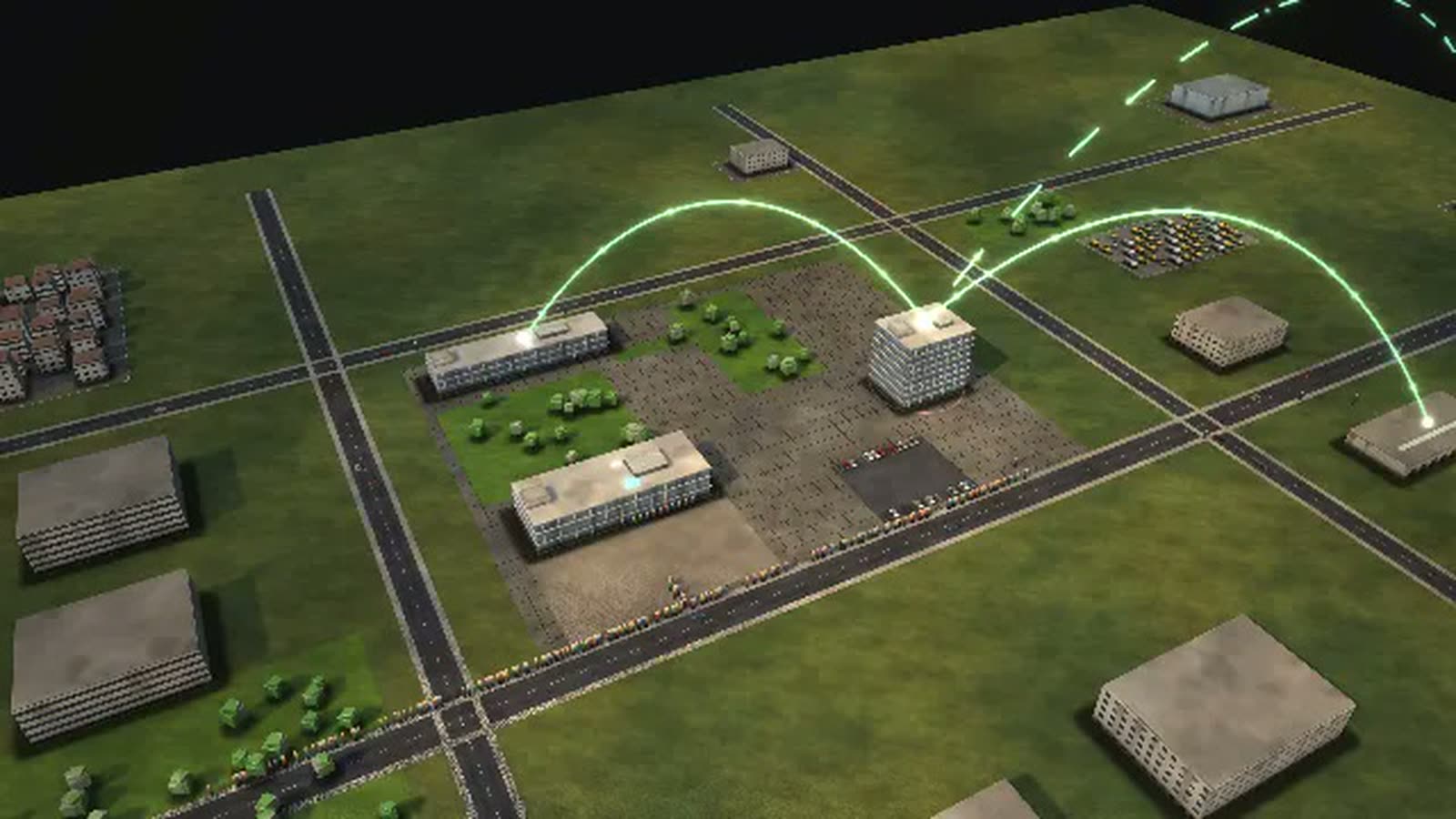
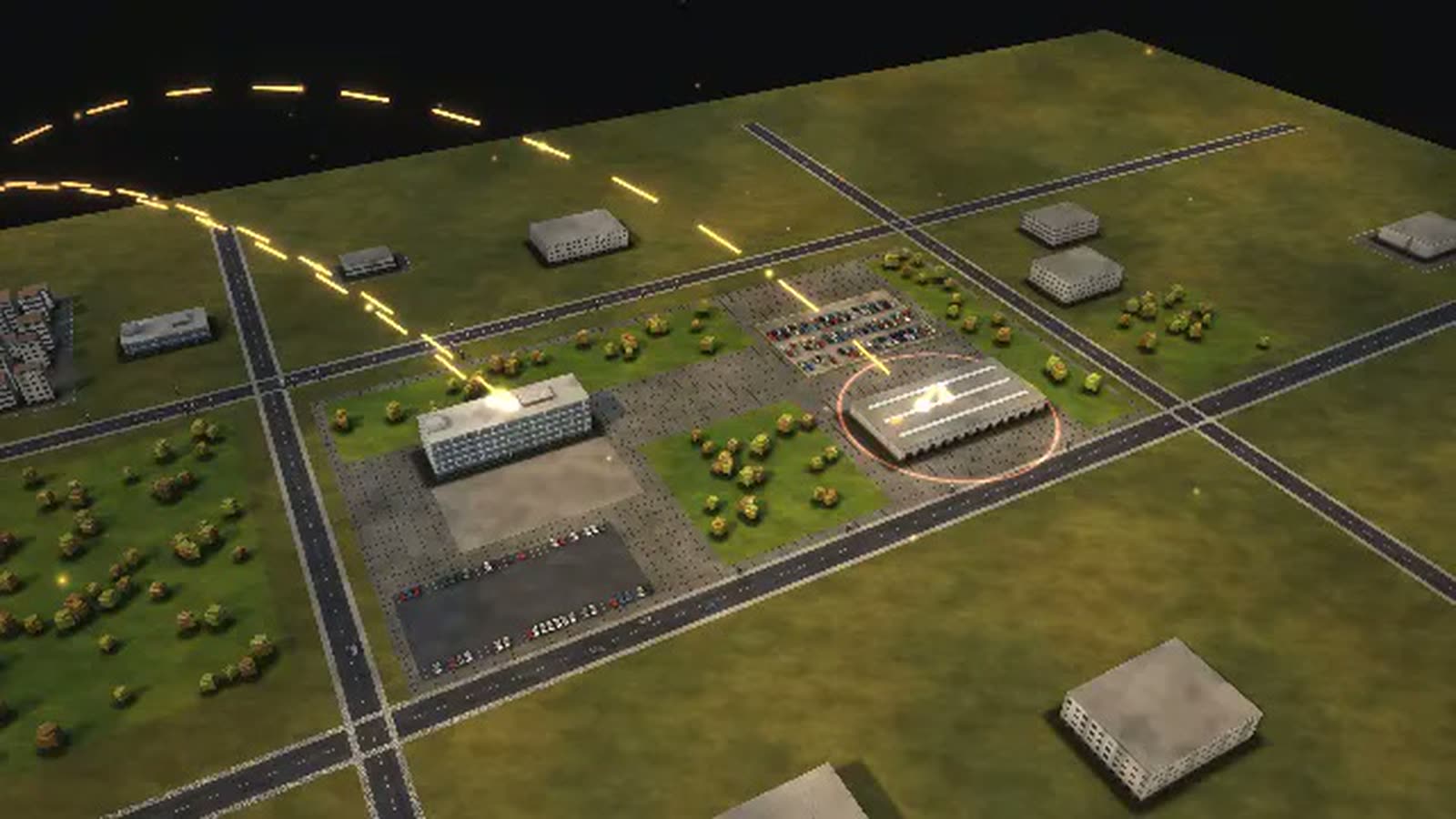
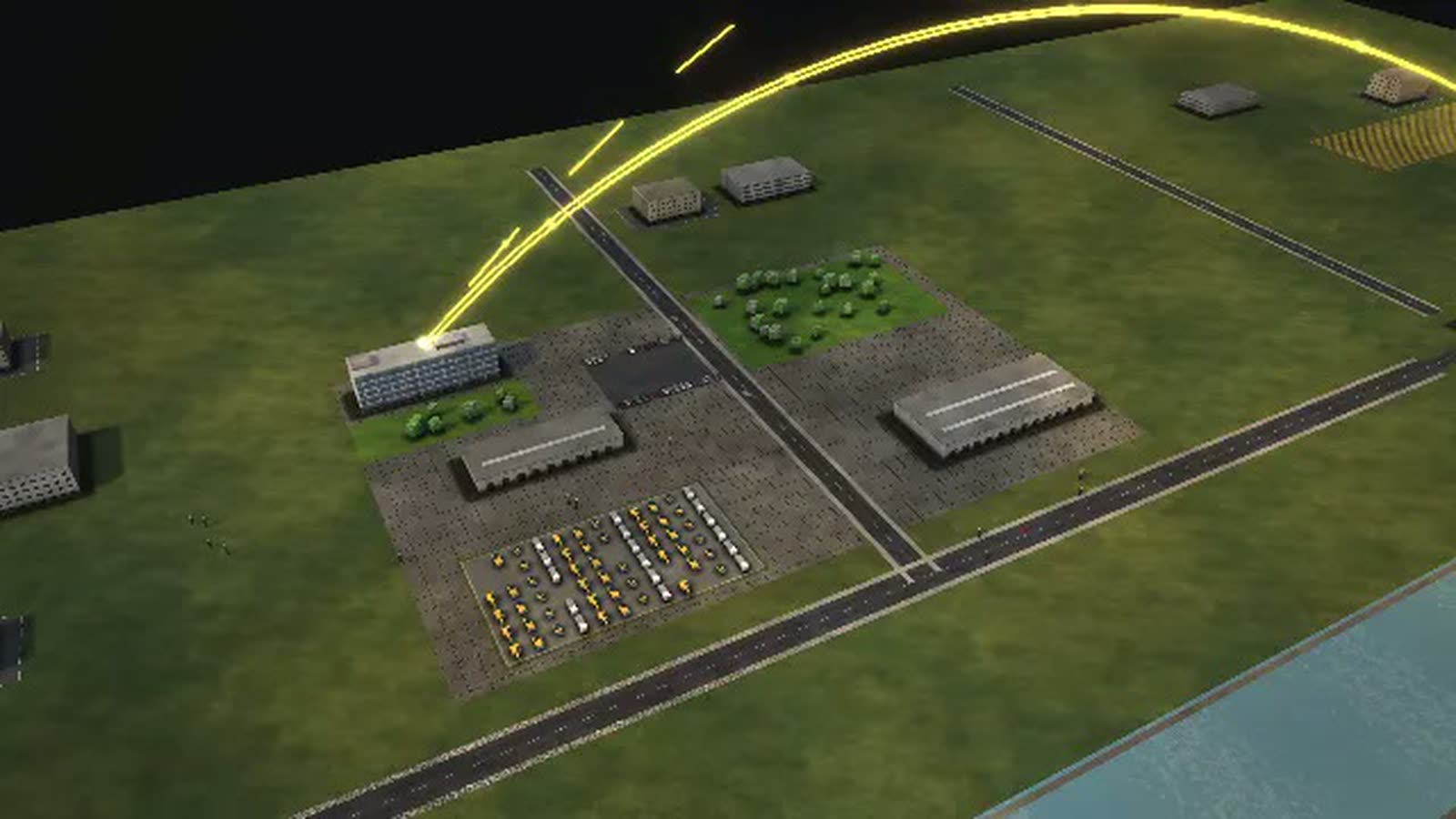
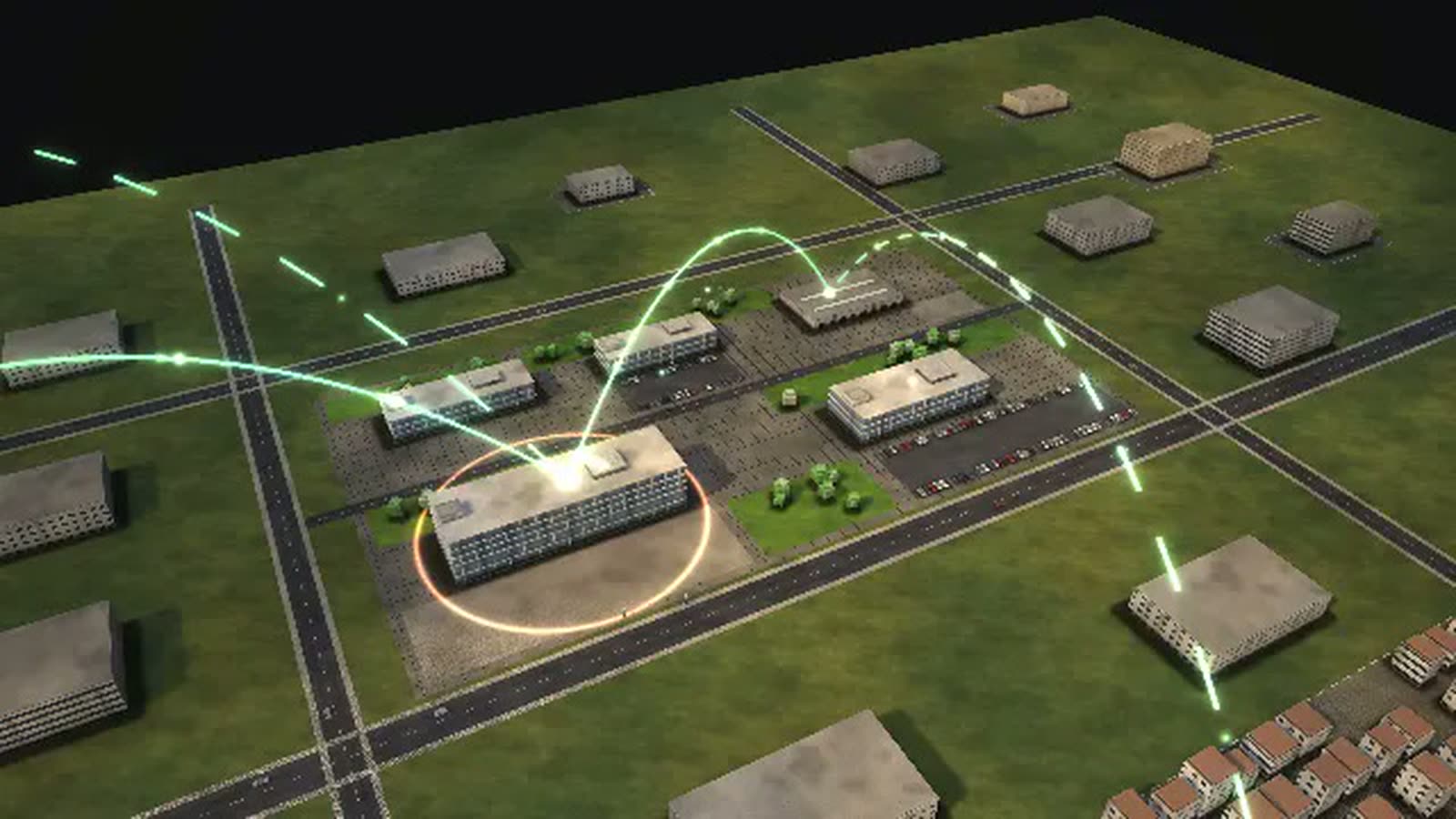
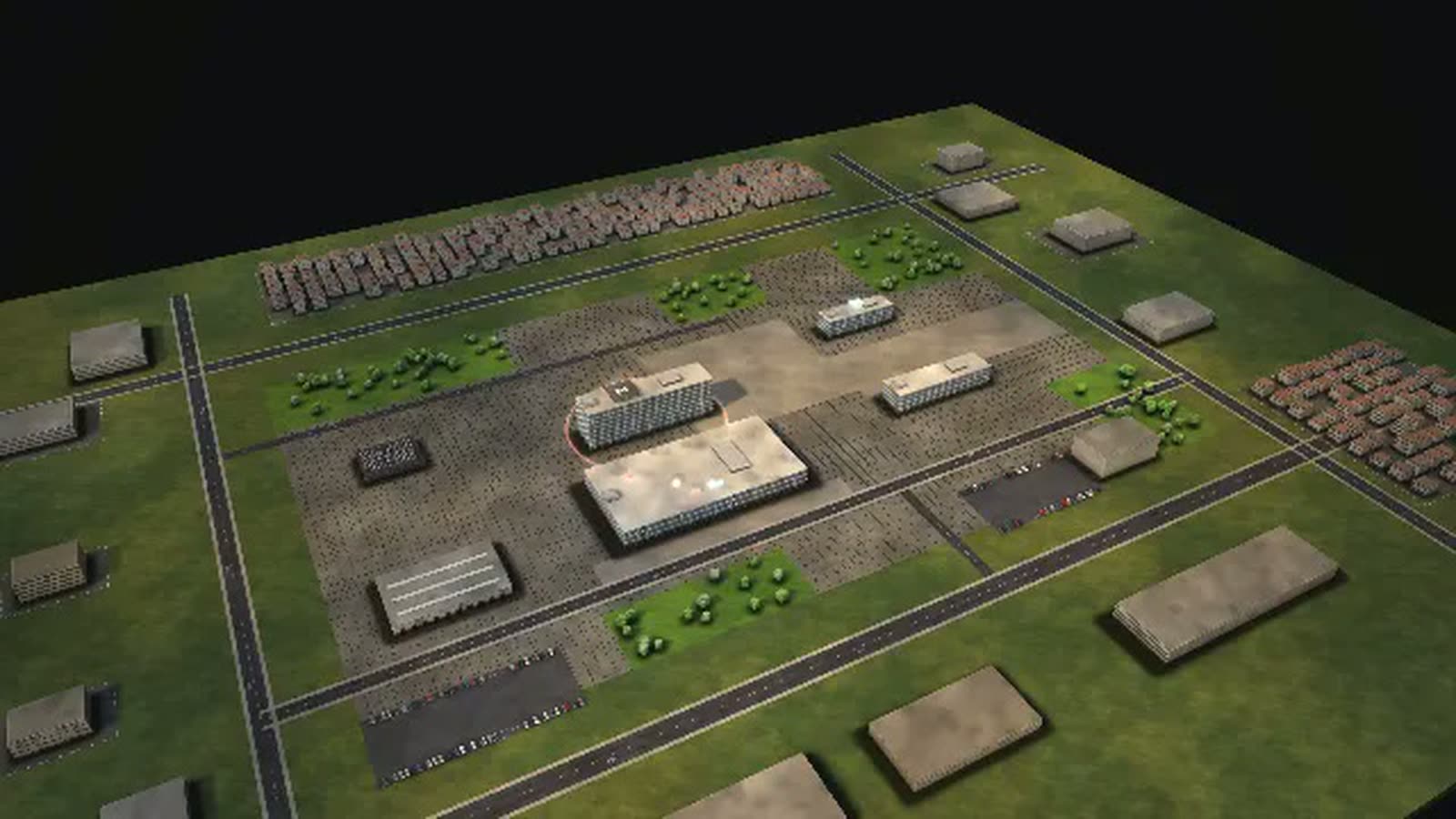
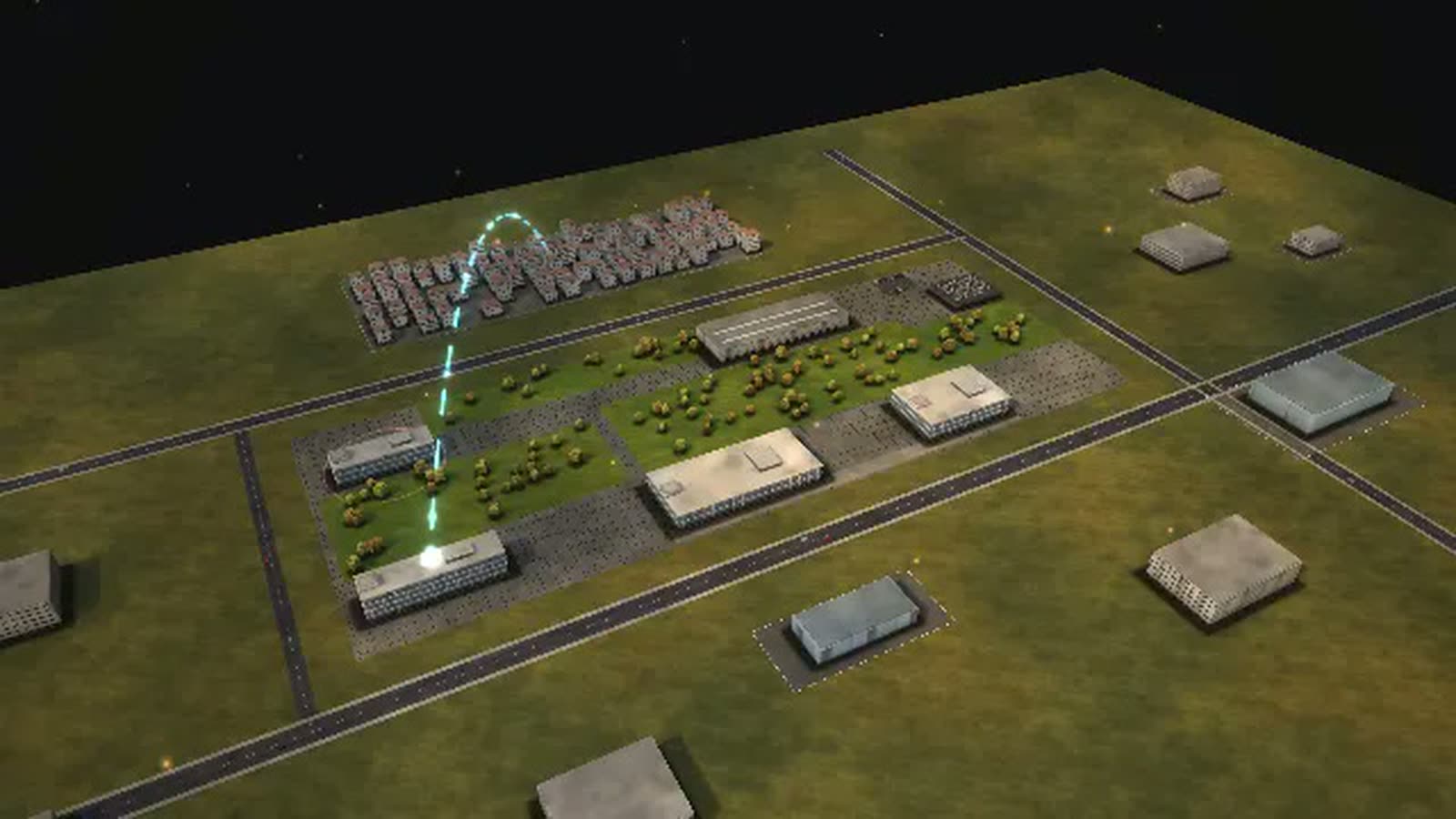
A large city's administration as a walkable model: see how a building application moves through the departments, how council and committees meet and where people queue at the counter.
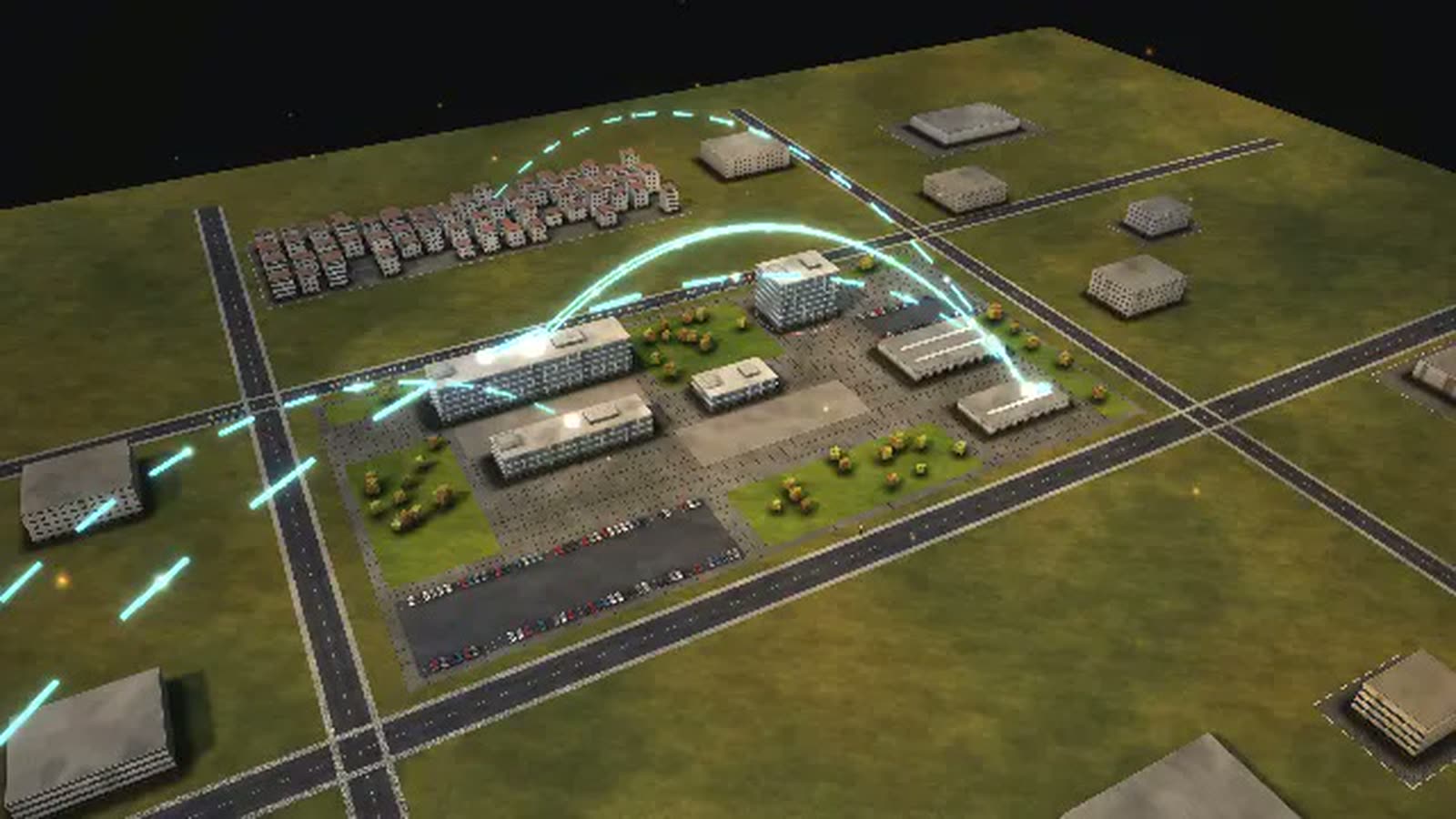
STADT WESTERBRÜCK is invented and its deadlines are simplified. With your administration's data the model shows what sits in specialist systems today – such as application backlogs and processing times per permit type, or waiting times and bookings at the citizens' office.
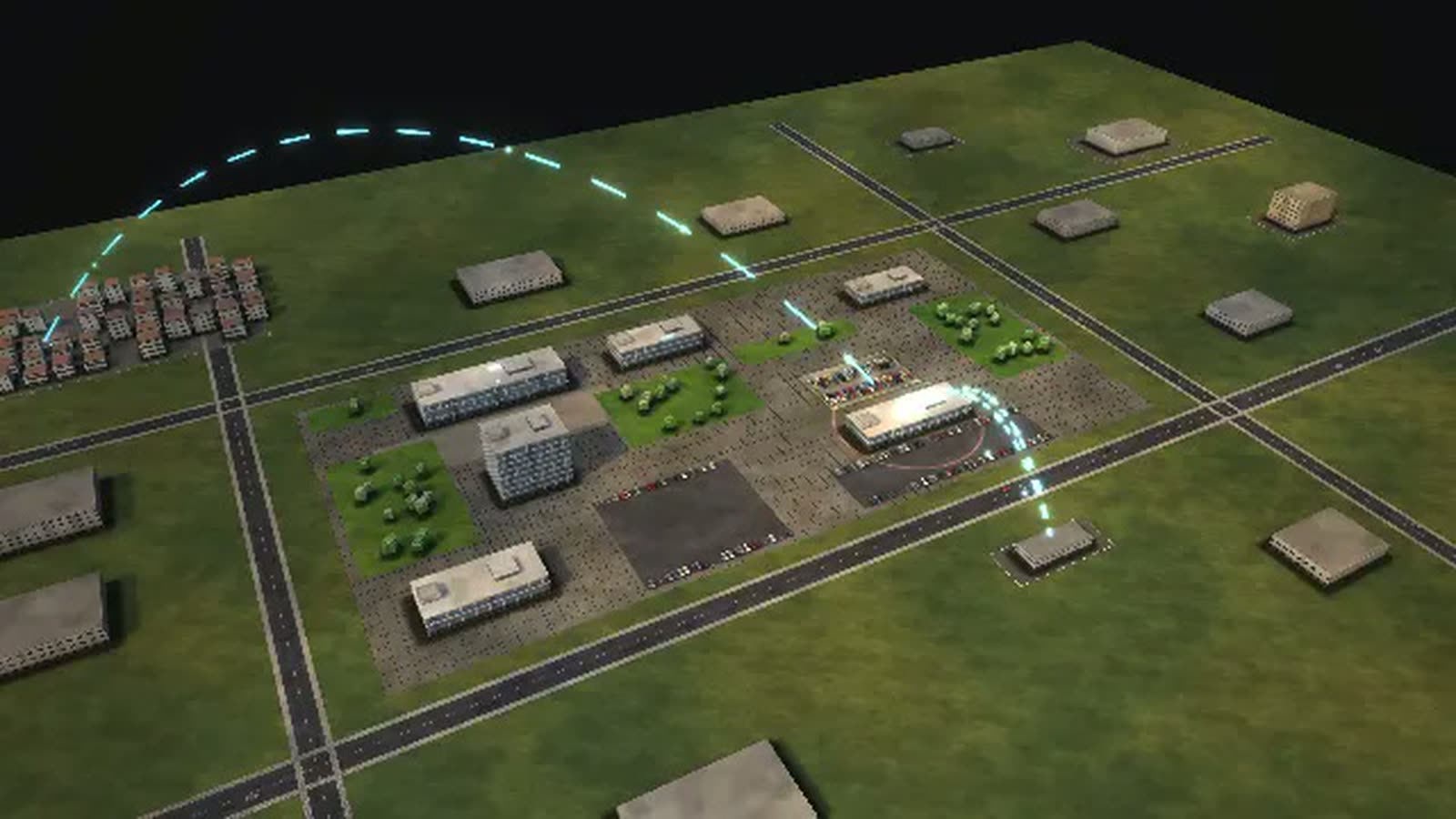
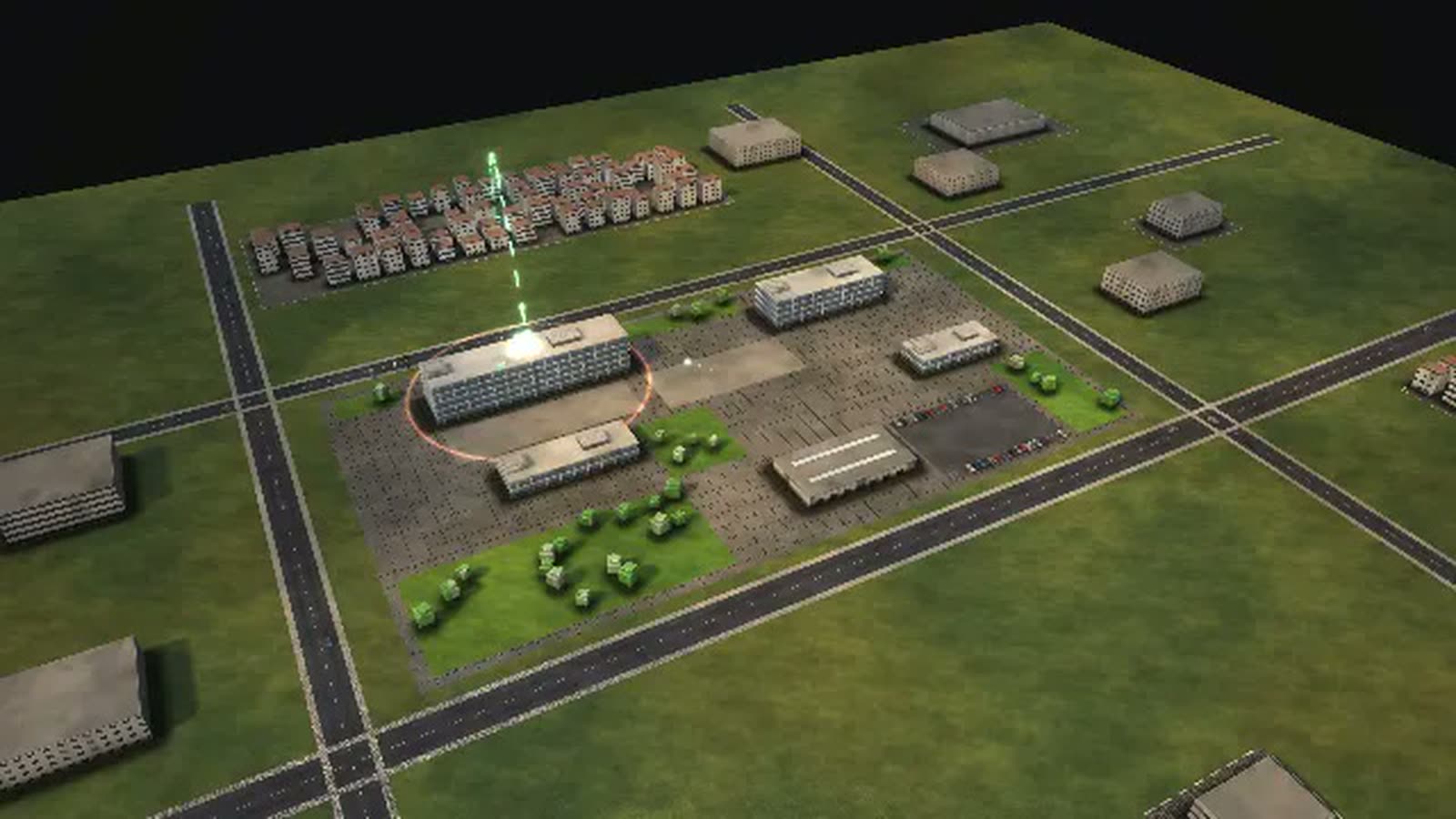
How does a building permit application move through a planning department? This building permit process simulation shows it at STADT WESTERBRÜCK, a fictional city administration. The council decides in meetings, the administration prepares and executes – and at the counter the city waits.
The path of an application: an architect submits plans for an apartment building online, building control checks completeness, planning, fire service and civil engineering comment at the same time, heritage, environment and neighbours respond within the deadline, building control decides and the city treasury issues the fee notice. Target in the model: decided within six weeks.
With parallel consultation and a digital file, every department sees the application at once; vacant posts in building control stretch everything. Alongside run a council decision on a new day-care centre, the citizens' office and a zoning plan. Building code deadlines are simplified. The page is for the executive board, heads of department, HR and training, digital teams and the council.
A house is to be built
- 01
Submit building application: An architect submits the application for an apartment building digitally.
- 02
Completeness check: Building control checks whether everything is there.
- 03
Builder provides documents: The builder provides documents.
- 04
Planning, fire service and civil engineering comment at the same time.
- 05
Opinion urban planning: Does the house fit the zoning plan?
- 06
Opinion fire safety: The fire service checks escape routes.
- 07
Opinion civil engineering: Civil engineering checks access and drainage.
- 08
First opinions in.
- 09
Opinions under way (deadline): Heritage, environment and neighbours respond within the deadline.
- 10
Building control decides: Building control weighs up and writes the decision.
- 11
Refused.
- 12
Fee notice: Fee notice and permit go out.
- 13
Neighbour sues: A neighbour sues at the administrative court.
- 14
Approved.
How a city administration can use the model
-
Internal communication
Town hall, technical town hall, municipal offices, civic centre, fire station and depot on one site. Departments see how an application travels between them and who comments when.
适用对象Executive board, heads of department, staff council
-
Onboarding
‘Who leads whom’ shows council, mayor and departments in a single picture; new staff then follow a building application through the offices.
适用对象New staff, career changers, first-year managers
-
Training
Civil service trainees switch between paper and digital files, trigger an application wave or the accommodation crisis team, and see what gets left undone.
适用对象Public administration trainees, work-study students
-
Explaining to citizens
Builders and residents see what happens to their application: completeness, consultation, deadline, decision. ‘Year, week, day’ explains why a council decision takes months.
适用对象Building control, citizens' office, press office, residents
-
Strategic overview
Parallel consultation, filled posts in building control and online change of address side by side. ‘What each control does’ shows which reform brings most – before the council decides.
适用对象Executive board, council, organisational development
What is shown – why – for whom
| 展示内容 | 为什么 | 适用对象 |
|---|---|---|
| Diagram ‘What each control does’: parallel consultation, building control posts, online change of address | 为什么shows which reform brings most | 适用对象Executive board, council |
| Diagram ‘How a case flows’: building application to the specialist departments | 为什么shows consultations and requests for further documents | 适用对象Building control, builders |
| Diagram ‘Year, week, day’: committee and council meetings | 为什么explains the meeting cycle behind political decisions | 适用对象Council, residents |
| Diagram ‘Where the site gets tight’: citizens' office | 为什么shows the queue at the counter | 适用对象Citizens' services, digital team |
| Diagram ‘Who leads whom’: council, mayor, departments | 为什么shows politics and administration in one picture | 适用对象Training, residents |
| Resources view over the technical town hall | 为什么shows the backlog in building control | 适用对象Planning and building directorate |
| Disruption ‘Crisis team for accommodation’ | 为什么shows what is left undone when staff are pulled away | 适用对象Executive board, staff council |
Departments in the model
-
City council
Elected; decides budget, bylaws, zoning plans.
-
District council
Decides on district matters.
-
Mayor's office
Directly elected head of the administration; prepares and executes decisions.
-
Executive board (heads of department)
Elected by the council, leads the departments.
-
Audit office
Assigned to the council and independent.
-
Treasury
Budget, co-signs every proposal with costs.
-
Cash office
Fees and payments.
-
Citizens' office
Registration, IDs, certificates.
-
Public order office
Trade, traffic, events.
-
Fire service
Fire and rescue; checks fire safety in applications.
-
Building control
Checks applications and decides within statutory deadlines.
-
Urban planning
Zoning plans, opinions on applications.
-
Civil engineering office
Roads, utilities, opinions.
-
Environment office
Noise, soil, species protection.
-
Depot and green spaces
Clears, mows, repairs.
-
Youth and social affairs
Day care, youth welfare, social benefits.
-
Human resources and IT
Posts, specialist systems, online services.
-
Legal office
Objections, lawsuits, bylaws.
All processes in the model
A house is to be built
- 01Submit building application: An architect submits the application for an apartment building digitally.
- 02Completeness check: Building control checks whether everything is there.
- 03Builder provides documents: The builder provides documents.
- 04Planning, fire service and civil engineering comment at the same time.
- 05Opinion urban planning: Does the house fit the zoning plan?
- 06Opinion fire safety: The fire service checks escape routes.
- 07Opinion civil engineering: Civil engineering checks access and drainage.
- 08First opinions in.
- 09Opinions under way (deadline): Heritage, environment and neighbours respond within the deadline.
- 10Building control decides: Building control weighs up and writes the decision.
- 11Refused.
- 12Fee notice: Fee notice and permit go out.
- 13Neighbour sues: A neighbour sues at the administrative court.
- 14Approved.
A new day-care centre needs a council decision
- 01Department drafts the proposal: The youth office drafts a proposal for a new day-care centre – with costs.
- 02Treasury and legal co-sign: Treasury and legal office co-sign.
- 03Executive board approves (Tuesdays): The executive board approves the proposal – it meets on Tuesdays.
- 04Committee deliberates (every four weeks): The committee deliberates and recommends.
- 05Council decides (every six weeks): The council decides by majority.
- 06Rejected.
- 07Administration implements: The administration implements: tender, construction, staff.
- 08Implemented.
Residents visit the citizens' office
- 01Take a number: Two residents take a number: change of address and new ID.
- 02Counter at the citizens' office: At the counter: register, certify, apply.
- 03ID card is produced: The ID card is produced centrally.
- 04Collect ID card: Collection at the civic centre.
- 05Done.
A new residential area is planned
- 01Council decides (every six weeks): The council decides to draw up a zoning plan.
- 02Planning drafts the preliminary plan: Planning draws a preliminary draft.
- 03Early participation and studies run in parallel.
- 04Early public participation: Public meeting and first comments.
- 05Studies: noise, traffic, species: Offices study noise, traffic and species.
- 06Everything is in.
- 07Draft and environmental report: Draft with environmental report.
- 08Publication for one month: The draft is published for a month, also online.
- 09Weighing all comments: The administration weighs all comments.
- 10Again: Council decides (every six weeks): The council adopts the bylaw; with publication the plan is in force.
- 11In force.
What you can change
Controls
- Building applications: Low interest rates and subsidies bring many applications.
- Posts in building control: Vacant posts are the most common cause of missed deadlines.
- Star procedure and digital file: All bodies see the application at once: deadlines run shorter (model assumption).
- Online change of address: Those who register online do not come to the office.
Disruptions
- Budget consolidation: For half a year vacant posts are not filled.
- Crisis team for accommodation: For two months many work in the crisis team instead of their offices.
- Application wave before a law change: For a month twice as many applications arrive.
- IT outage at the citizens' office: For four hours nothing works at the counters.
What the model gives a city administration
-
01
In parallel, not one after another
With the control ‘Star procedure and digital file’, every department sees the application at the same time. The model shows deadlines shrinking – and where building control still stalls.
-
02
Staffing is a lever
Vacant posts in building control stretch everything. The control and the ‘Budget consolidation’ disruption make the effect of a hiring stop visible.
-
03
Politics and administration together
Council, district committee, committees and offices in one model: the meeting cycle sits next to the processing of applications.
-
04
The counter in view
Residents who change their address online stay away from the citizens' office. ‘Where the site gets tight’ shows the load on site falling.
-
05
For council chamber and town meeting
On a desk in the browser or projected large in the council chamber: the model runs on both, and a demo mode plays everything on its own, for example in the town hall foyer.
Basis and limits
Fictional city · model based on researched administrative structures · no statement about real municipalities
1 case = 1 application, 1 council proposal, 2 residents or 1 zoning plan · 1 figure ≈ 30 employees
All volumes, durations, rates and capacities are model assumptions, not values of a real city.
Building code deadlines are simplified and to be checked against the law; the six-week target applies here to all applications.
Documented: council and directly elected mayor, mandatory committees, district councils, participation and publication for zoning plans.
Public sources the model is based on:
- Gemeindeordnung NRW
- KGSt (Verwaltungsorganisation)
- Bauordnung NRW § 71
- Baugesetzbuch
- Onlinezugangsgesetz
Your administration as a model
Which of your city's processes should become visible: building permits, the citizens' office, council business? We discuss data, goals and audiences with you. To try it out, there is a password we send on request.
cube4tec.de/spiele/minimal-organization/
就此咨询
Minimal Organization: Stadtverwaltung
Similar business models
-
District administration
A rural district administration as a walkable model: why the morning queue at vehicle registration grows, what shortens it and where the district office runs short of staff.
-
Job centre
A job centre as a walkable model: how a benefit claim moves from reception to payment, where missing documents hold it up and how job placement runs alongside.
-
Tax office
A tax office as a walkable model: how an income tax return travels from receipt to notice, where it waits and what speeds up processing.
-
Housing company
A municipal housing company as a walkable model: what happens after a tenant reports a cold radiator, who repairs it and what speeds up the fix.
-
Construction group
A construction and infrastructure group as a walkable model: see how a viaduct is built section by section and where frost, inspections and variations cost time.
-
Local court
A local court as a walkable model: what happens between claim and judgment, where the months go and which levers shorten proceedings without touching judicial independence.
-
University hospital
A university hospital as a walkable model: see where an emergency patient's time goes and why the strongest lever sits on the wards.
-
University
A university as a walkable model: see how an exam turns into a recorded grade, how a professorship is filled and where the academic year creates peaks.
STADT WESTERBRÜCK is invented and its deadlines are simplified. With your administration's data the model shows what sits in specialist systems today – such as application backlogs and processing times per permit type, or waiting times and bookings at the citizens' office.