
シミュレーション · Minimal Organization · City, health, knowledge, construction
University
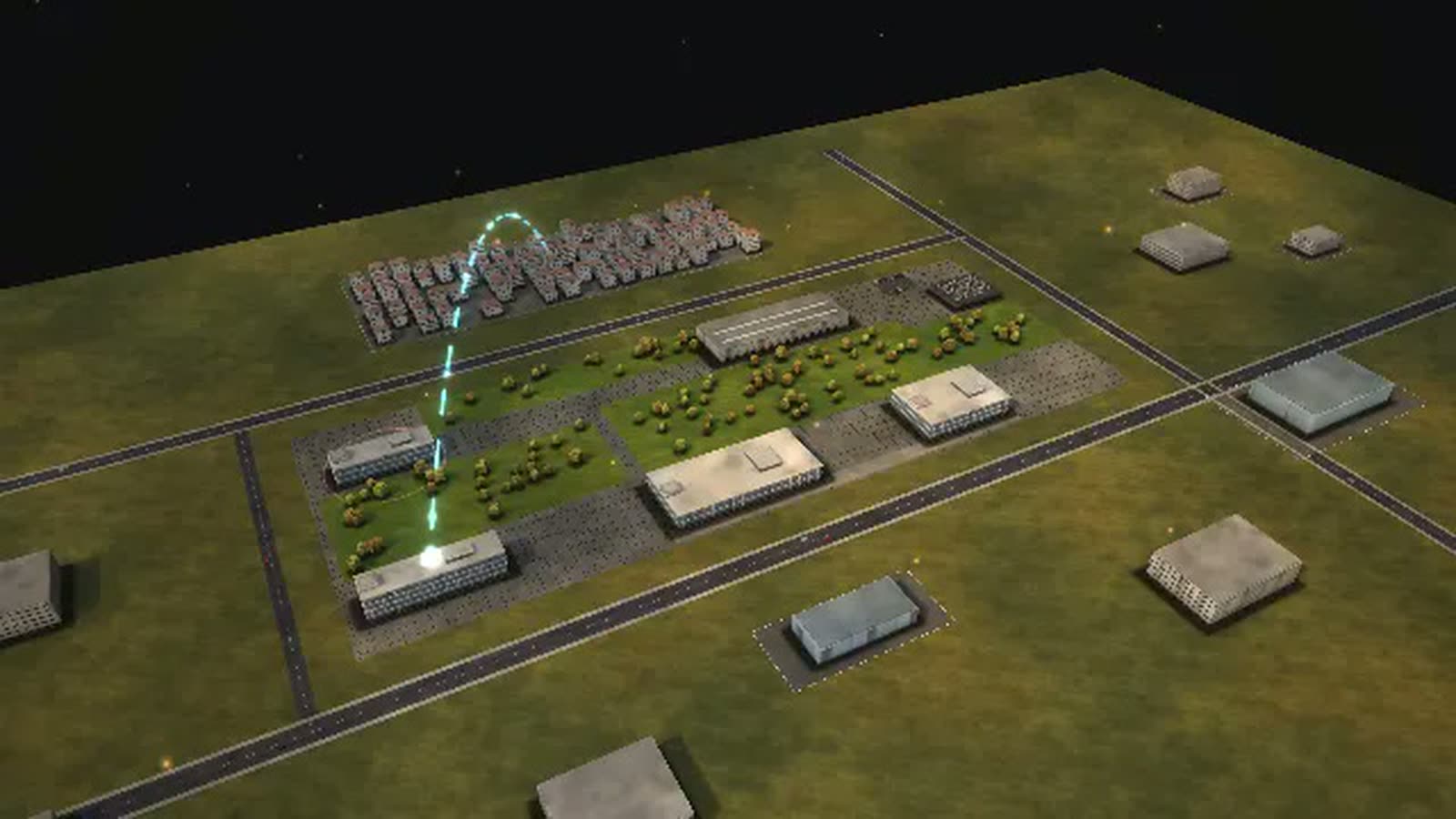
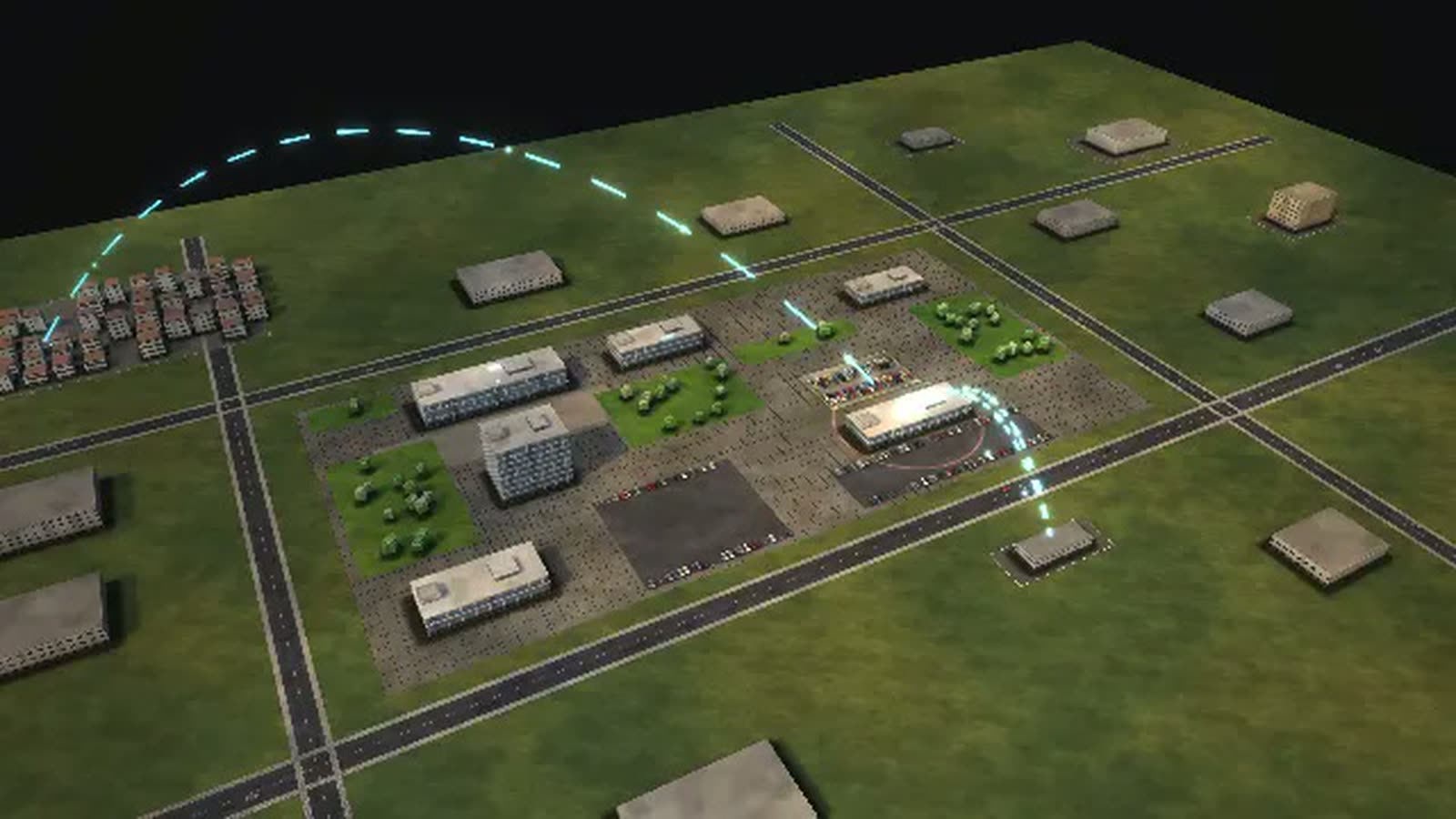
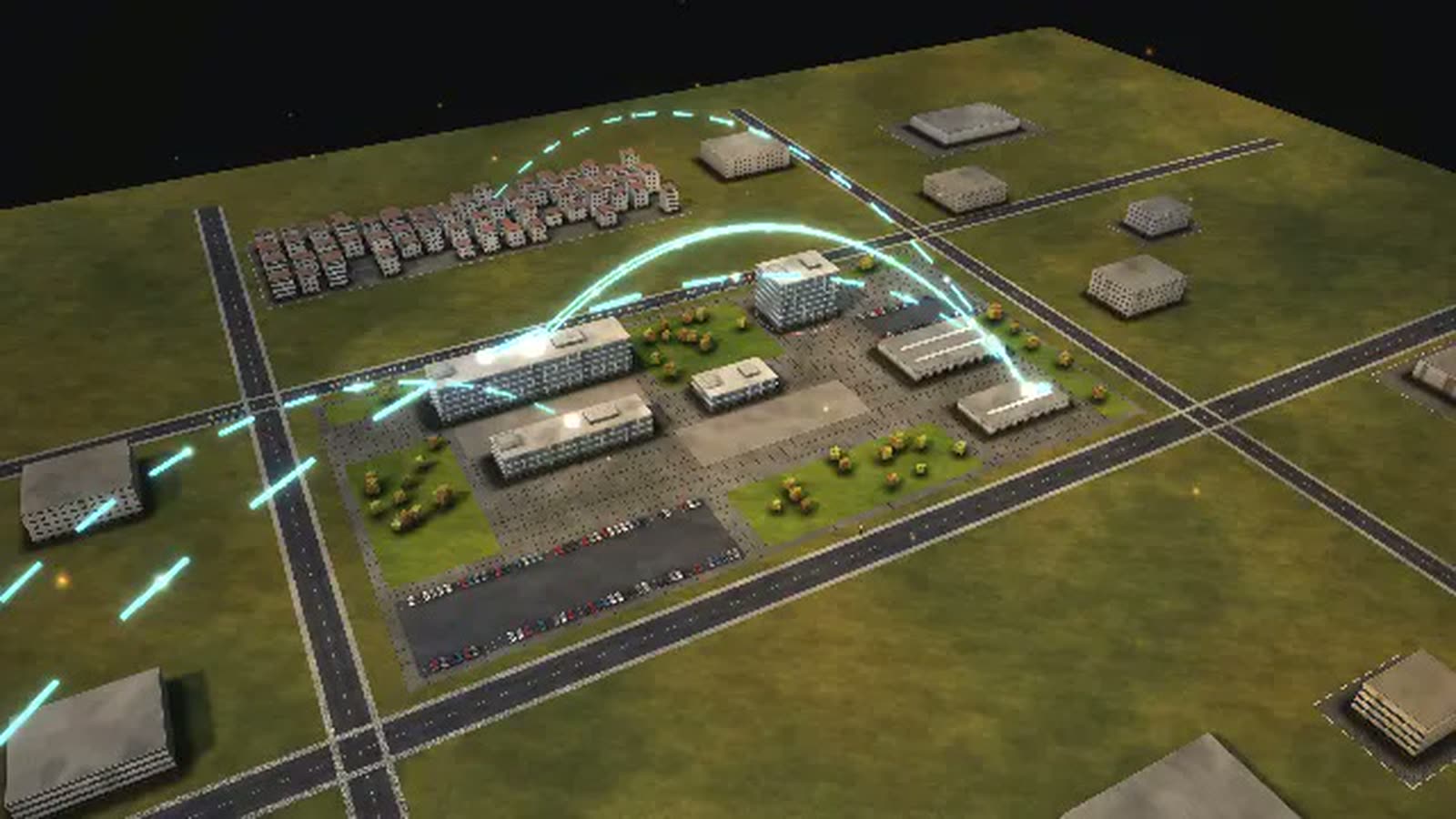
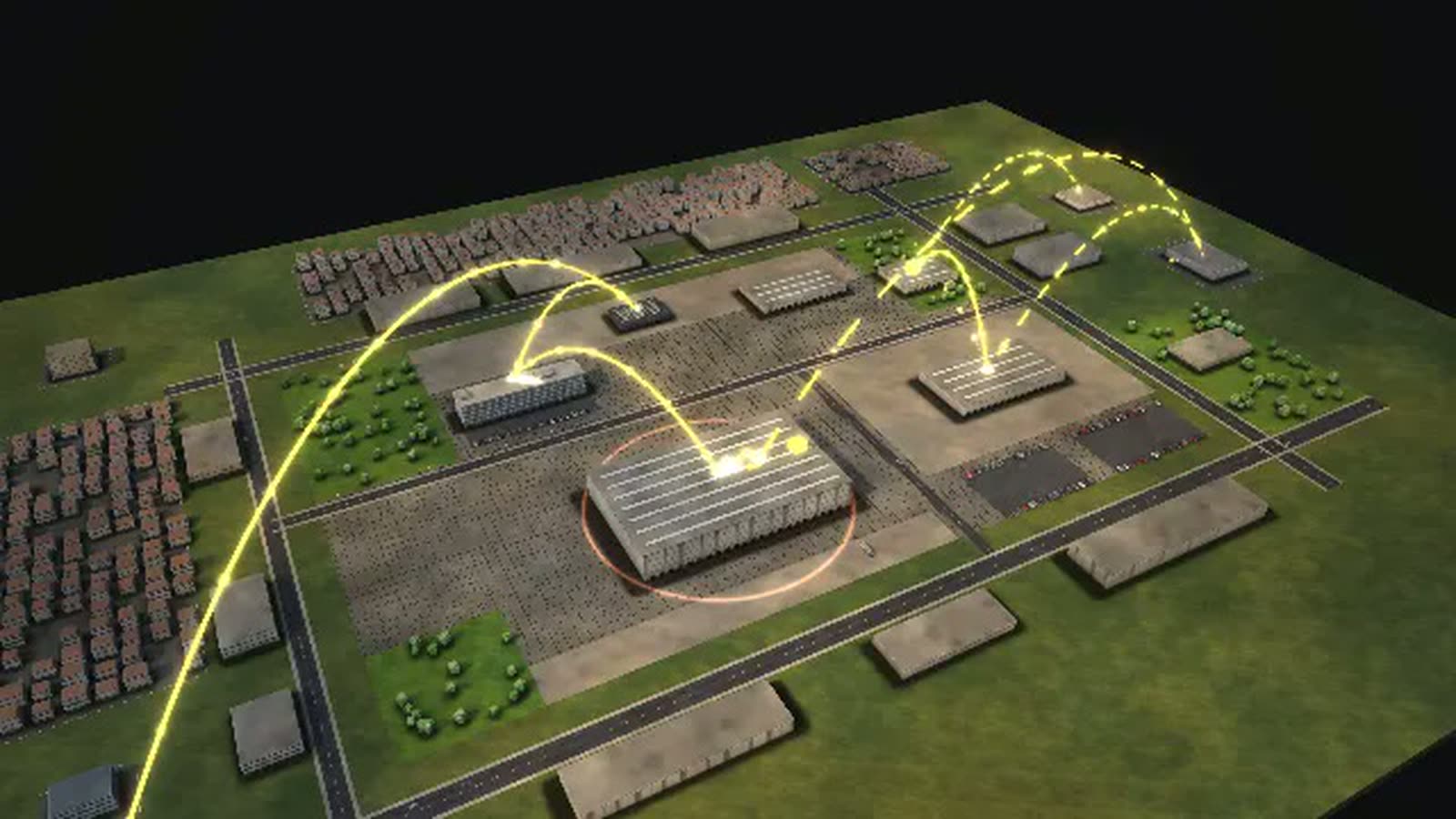
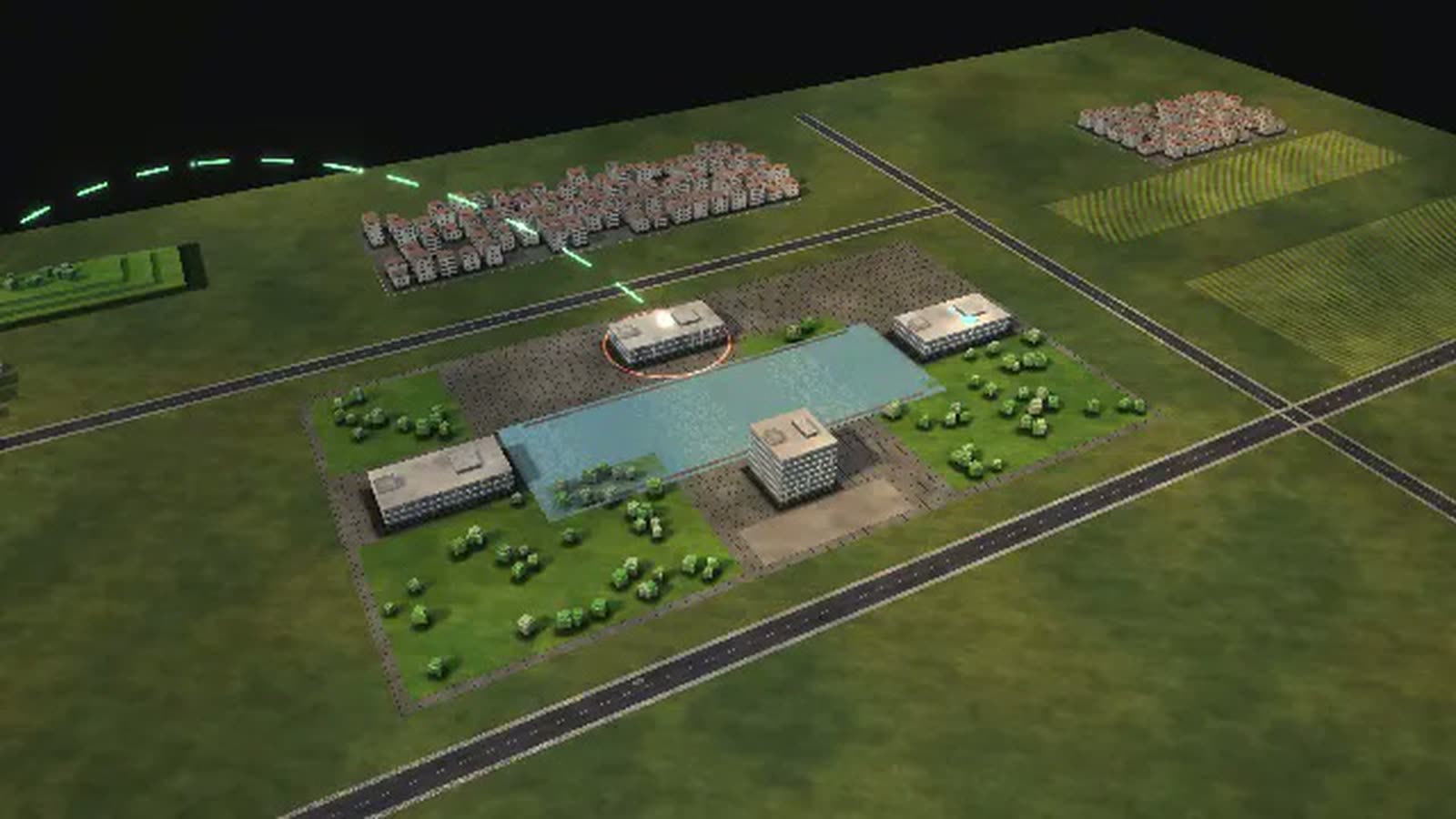
A university as a walkable model: see how an exam turns into a recorded grade, how a professorship is filled and where the academic year creates peaks.
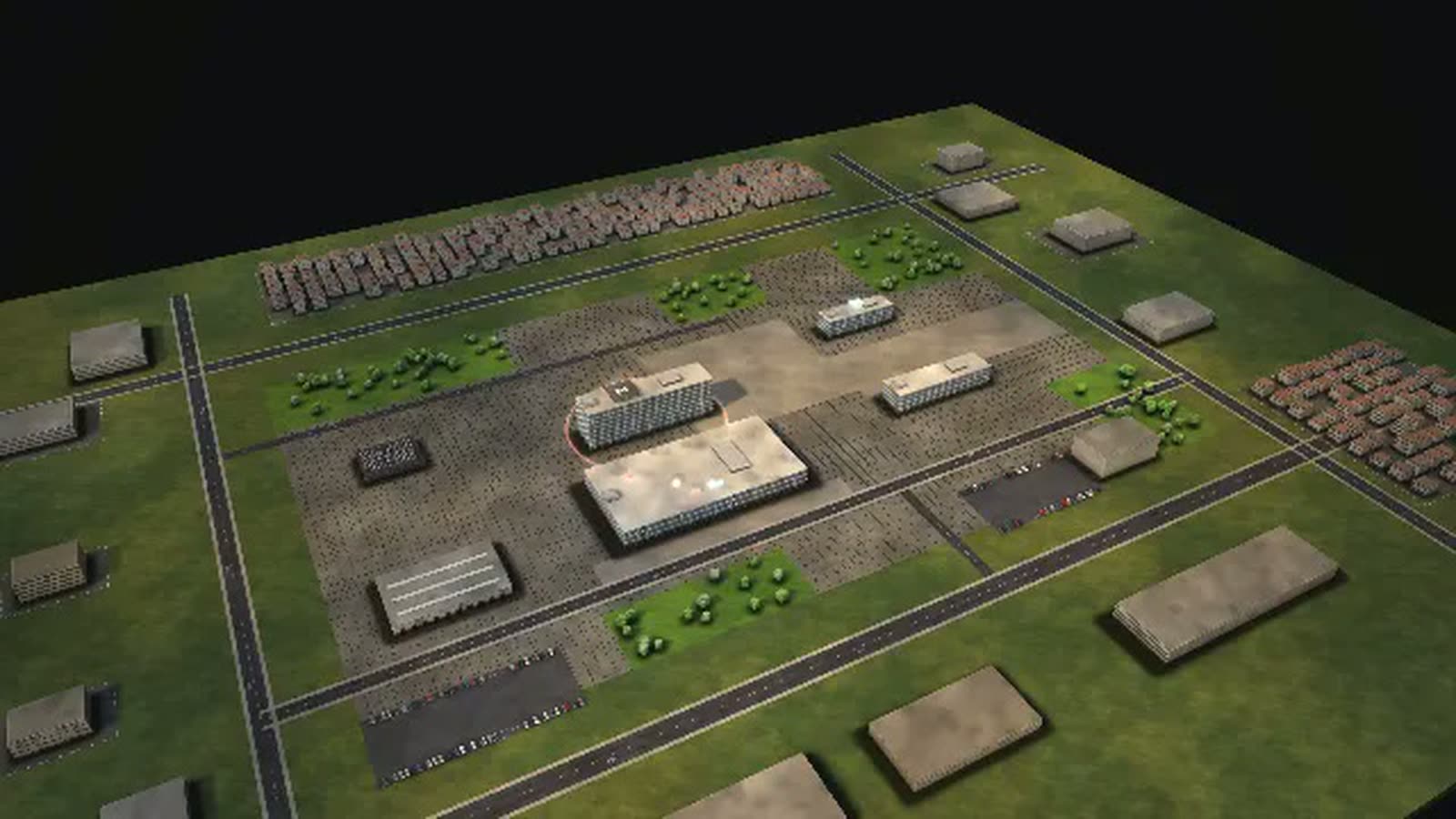
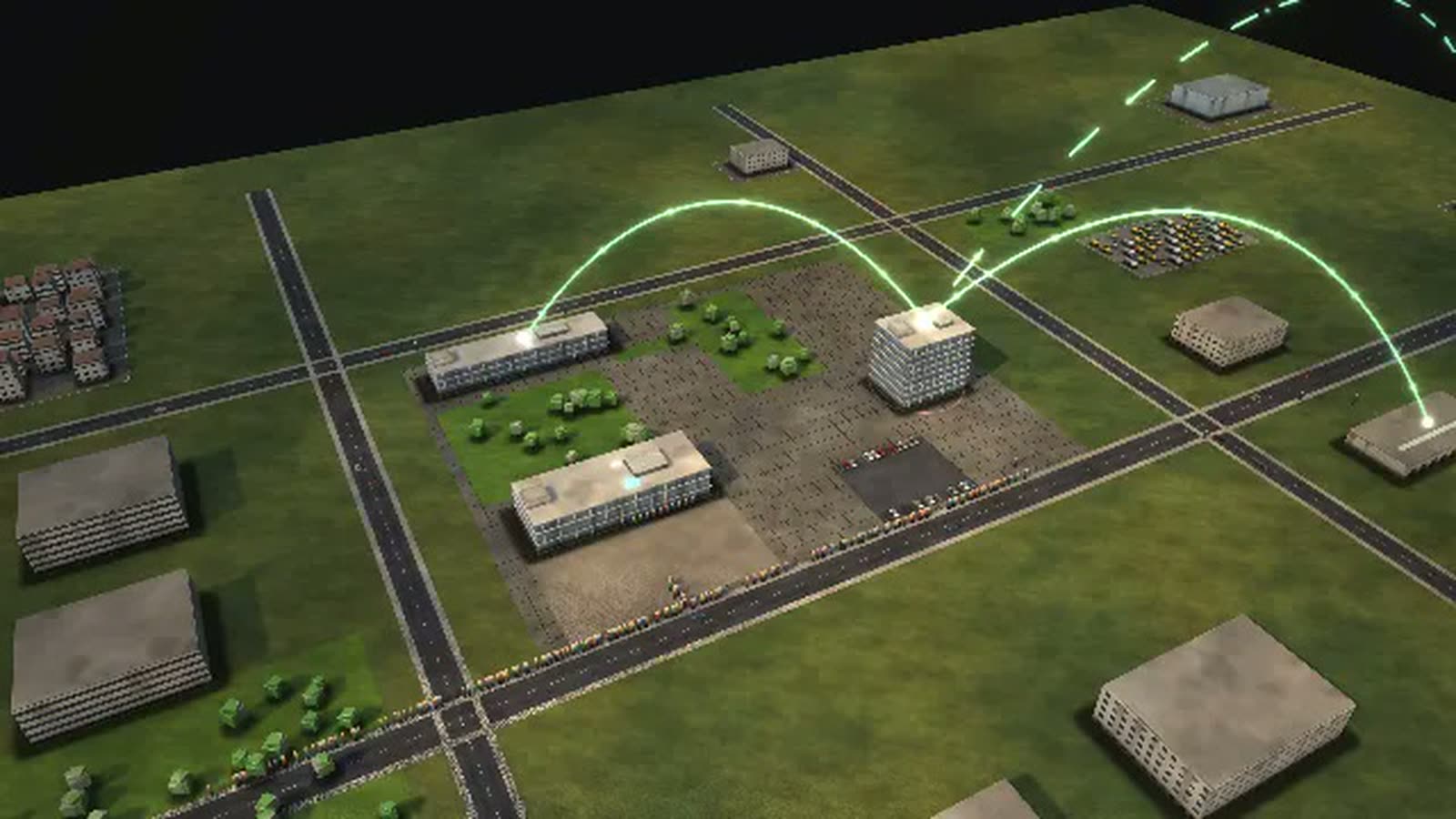
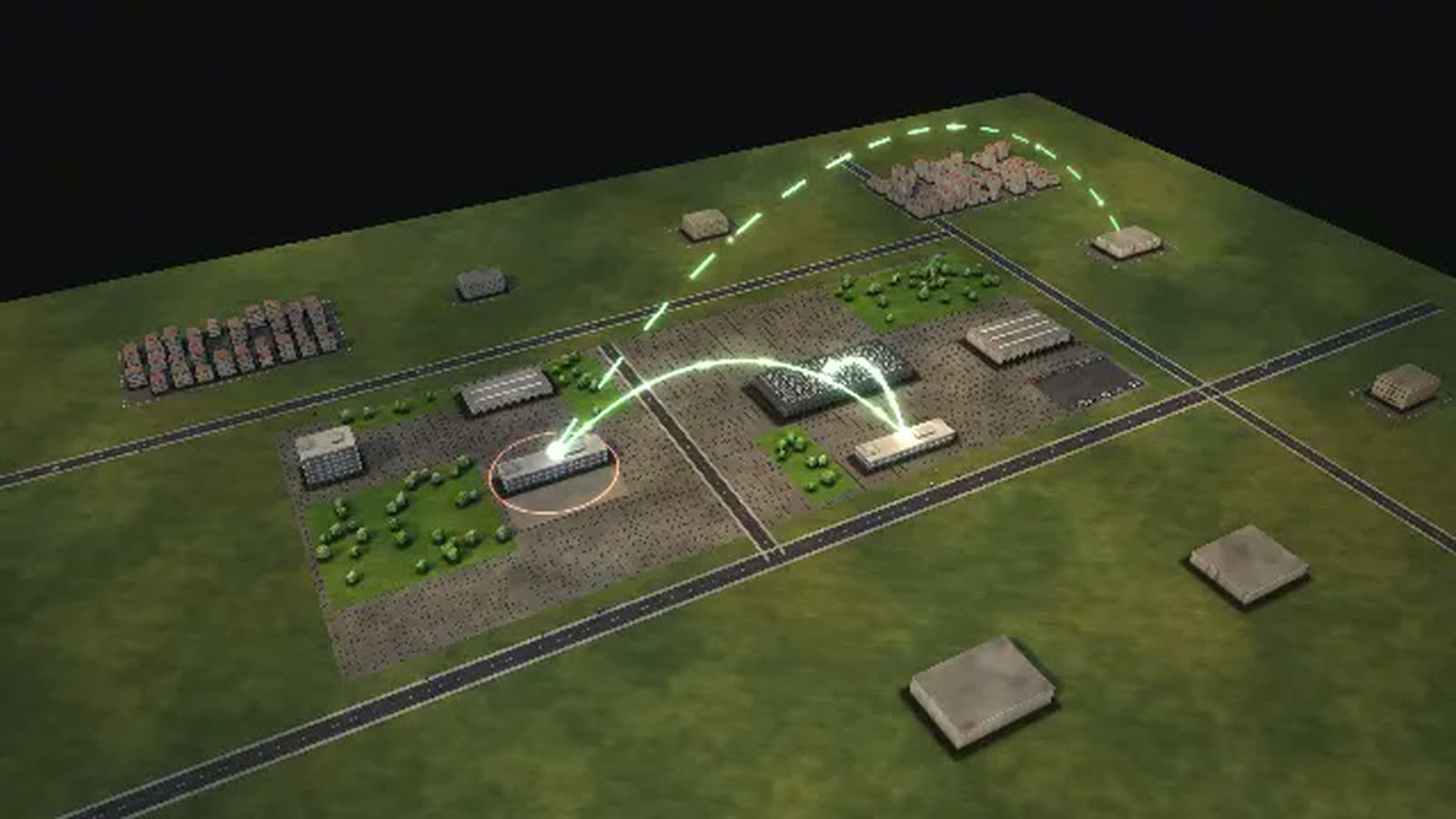
UNIVERSITÄT ALTENHEIDE is invented; six weeks to a grade is a target in the model. With your data it shows what is scattered between campus management and faculties today – such as exam numbers and marking time per subject, or room use and refurbishment needs per building.
How does exam administration at a university work, from the exam hall to the recorded grade? The fictional UNIVERSITÄT ALTENHEIDE makes the process visible. It governs itself, teaches and researches at once, and lives on money it has to win in competition.
The path of an exam: a hundred students sit it in the main hall, teaching staff mark it alongside teaching and research, the examinations office records the grades, and some students ask for review or object. Target in the model: grade within six weeks; real exam regulations differ. During the exam period, three times as many exams arrive for three weeks.
Alongside run a research grant proposal with peer review and the filling of a professorship over many months; in the model, good grant advice brings more awards. The page speaks to university leadership, the chancellor, deans' offices, the examinations office, staff development and student advice.
An exam is sat and marked
- 01
Students sit the exam: A hundred students sit an exam in the main hall.
- 02
Teaching staff mark: Teaching staff mark – alongside teaching and research.
- 03
Examinations office records grades: The examinations office records the grades.
- 04
Review and objection: Some ask for review, some object.
- 05
Graded.
How a university can use the model
-
Internal communication
Leadership, senate, deans' offices, administration, library and computing centre on one campus. ‘Who leads whom’ explains academic self-governance without anyone reading the higher education act.
対象University leadership, chancellor, communications
-
Onboarding
Newly appointed professors and new administrative staff see who is responsible for what and how an exam moves between chair and examinations office.
対象New professors, new staff in administration and faculties
-
Training
Administrative trainees and students of higher education management set teaching staff to ‘posts vacant’, trigger the exam period and watch exams pile up at the chairs.
対象University administration trainees, higher education management students
-
Explaining to students
First-year students find buildings and responsibilities in ‘Who sits where – and reports to whom’. Students see where the weeks between exam and grade go.
対象Student office, student advice, student representatives
-
Strategic overview
Teaching staff, grant advice and digital grade recording side by side, plus a building closed by the maintenance backlog as a disruption. The model shows which lever helps teaching and research most.
対象Leadership, chancellor, university council, ministry
What is shown – why – for whom
| 表示内容 | なぜ | 対象 |
|---|---|---|
| Diagram ‘Year, week, day’: terms and exam period | なぜshows the peaks in the academic year | 対象Examinations office, deans' offices |
| Diagram ‘Where the time goes’: exam and appointment | なぜshows where weeks pass and where months pass | 対象Leadership, students |
| Diagram ‘What each control does’: teaching staff, grant advice, digital grade recording | なぜranks the levers for teaching and research | 対象Chancellor, leadership |
| Diagram ‘Who leads whom’: leadership, senate, deans' offices | なぜexplains self-governance | 対象New professors, administration |
| Diagram ‘Where people work’ | なぜshows teaching, research and administration across the campus | 対象Campus planning |
| Diagram ‘Who sits where – and reports to whom’ | なぜshows buildings and responsibilities | 対象Facilities management, first-year students |
| Disruption ‘Building closed (maintenance backlog)’ | なぜshows what a maintenance backlog leads to | 対象Chancellor, state government |
Departments in the model
-
Rectorate
Leads the university, issues offers.
-
Senate
Academic self-government: regulations, opinions.
-
Chancellor: staff and finance
Leads the administration.
-
Research funding office
Advises proposals, manages projects.
-
Student office
Applications, enrolment, re-registration.
-
Examinations office
Records grades and issues certificates.
-
Deans' offices
Teaching plans and appointments of the faculties.
-
Teaching staff
Professors and staff: teach, examine, research.
-
Research groups
Doctoral researchers and projects, often externally funded.
-
Teaching organisation
Rooms, dates, exams.
-
University library
Heart of the campus.
-
Computing centre
Campus management, learning platform, computing.
-
Equal opportunities
Takes part in appointment committees.
All processes in the model
An exam is sat and marked
- 01Students sit the exam: A hundred students sit an exam in the main hall.
- 02Teaching staff mark: Teaching staff mark – alongside teaching and research.
- 03Examinations office records grades: The examinations office records the grades.
- 04Review and objection: Some ask for review, some object.
- 05Graded.
A group applies for a research project
- 01Group writes the proposal: A research group writes a proposal for three years of research.
- 02Funding office checks costs: The funding office checks staff costs and overheads.
- 03Review and decision: Reviewers assess, a panel decides – after about half a year.
- 04Rejected.
- 05Set up the project: The project is set up, the account opened.
- 06Hire doctoral researchers: Doctoral posts are advertised and filled.
- 07Running.
A professorship is filled
- 01Advertise the professorship: The faculty advertises a professorship, the rectorate releases the post.
- 02Applications arrive: Fifty to a hundred and fifty applications arrive.
- 03Appointment committee: talks and list: The committee invites talks and draws up a list.
- 04External reviews of the list: External reviewers assess the list.
- 05Senate gives its opinion (monthly): The senate gives its opinion – it meets once a month.
- 06Rectorate issues the offer: The rectorate issues the offer to the first on the list.
- 07Appointment negotiation: Negotiations cover equipment, rooms, instruments.
- 08Appointment: Appointment, then setting up the lab.
- 09Appointed.
What you can change
Controls
- Students per course: Double cohorts and popular subjects fill the halls.
- Teaching staff: How many exams are marked at once.
- Grant advice: Good advice: more proposals are funded (model assumption).
- Digital grade recording: Grades flow straight into the system (model assumption).
Disruptions
- Exam period at end of term: For three weeks three times as many exams are sat.
- Building closed (maintenance backlog): For three months groups must move and work more slowly.
- Campus management fails: For two hours nothing can be recorded.
What the model gives a university
-
01
The term as a rhythm
Exam periods in February and July, funding deadlines in autumn: the model lays the academic year on a timeline and shows when the load rises.
-
02
Weeks and months side by side
Exam, grant proposal and appointment run in parallel, each with its own queue. It becomes visible where weeks pass and where months pass.
-
03
Advice that shows
In the model, the grant advice control leads to more funded proposals – a clear basis for talks about staffing the research funding office.
-
04
Buildings count too
A closed building forces groups to move for three months. The model turns the maintenance backlog into something leadership and state government can see.
-
05
For lecture hall and senate
On a projector in the lecture hall or in a browser at the office: the model suits freshers' week as well as a senate meeting. A guided tour makes the start easy.
Basis and limits
Fictional university · model based on researched university structures · no statement about real universities
1 case = 100 exams, 1 proposal or 1 professorship · 1 figure ≈ 40 employees
All volumes, durations, rates and capacities are model assumptions, not values of a real university.
Six weeks for a grade is a model target; examination regulations differ.
Documented: bodies under the higher education act, review and success rate of grants, appointment committee with equal opportunities, accreditation.
Public sources the model is based on:
- Hochschulgesetz NRW
- Deutsche Forschungsgemeinschaft: Sachbeihilfe
- Akkreditierungsrat
Your university as a model
Want to show exam administration, appointments or research funding at your university? We discuss which data exist and who will use the model. Write to us and you will receive a password to try it.
cube4tec.de/spiele/minimal-organization/
この件について問い合わせる
Minimal Organization: Universität
Similar business models
-
University hospital
A university hospital as a walkable model: see where an emergency patient's time goes and why the strongest lever sits on the wards.
-
City administration
A large city's administration as a walkable model: see how a building application moves through the departments, how council and committees meet and where people queue at the counter.
-
Pharmaceutical company
A pharmaceutical plant as a walkable model: follow a batch from the cleanroom to certification by the qualified person and see where the four weeks go.
-
District administration
A rural district administration as a walkable model: why the morning queue at vehicle registration grows, what shortens it and where the district office runs short of staff.
-
Tax office
A tax office as a walkable model: how an income tax return travels from receipt to notice, where it waits and what speeds up processing.
-
Construction group
A construction and infrastructure group as a walkable model: see how a viaduct is built section by section and where frost, inspections and variations cost time.
-
Online retail
An order from click to doorstep as a walkable model: payment check, warehouse, packing, trucks, sortation and delivery in a running simulation.
-
Search engine
A search and advertising group as a walkable model: auctions in milliseconds, experiments over weeks, and a new ad campaign that waits for people.

UNIVERSITÄT ALTENHEIDE is invented; six weeks to a grade is a target in the model. With your data it shows what is scattered between campus management and faculties today – such as exam numbers and marking time per subject, or room use and refurbishment needs per building.