
Simulation · Minimal Organization · Logistics and transport
Freight forwarder
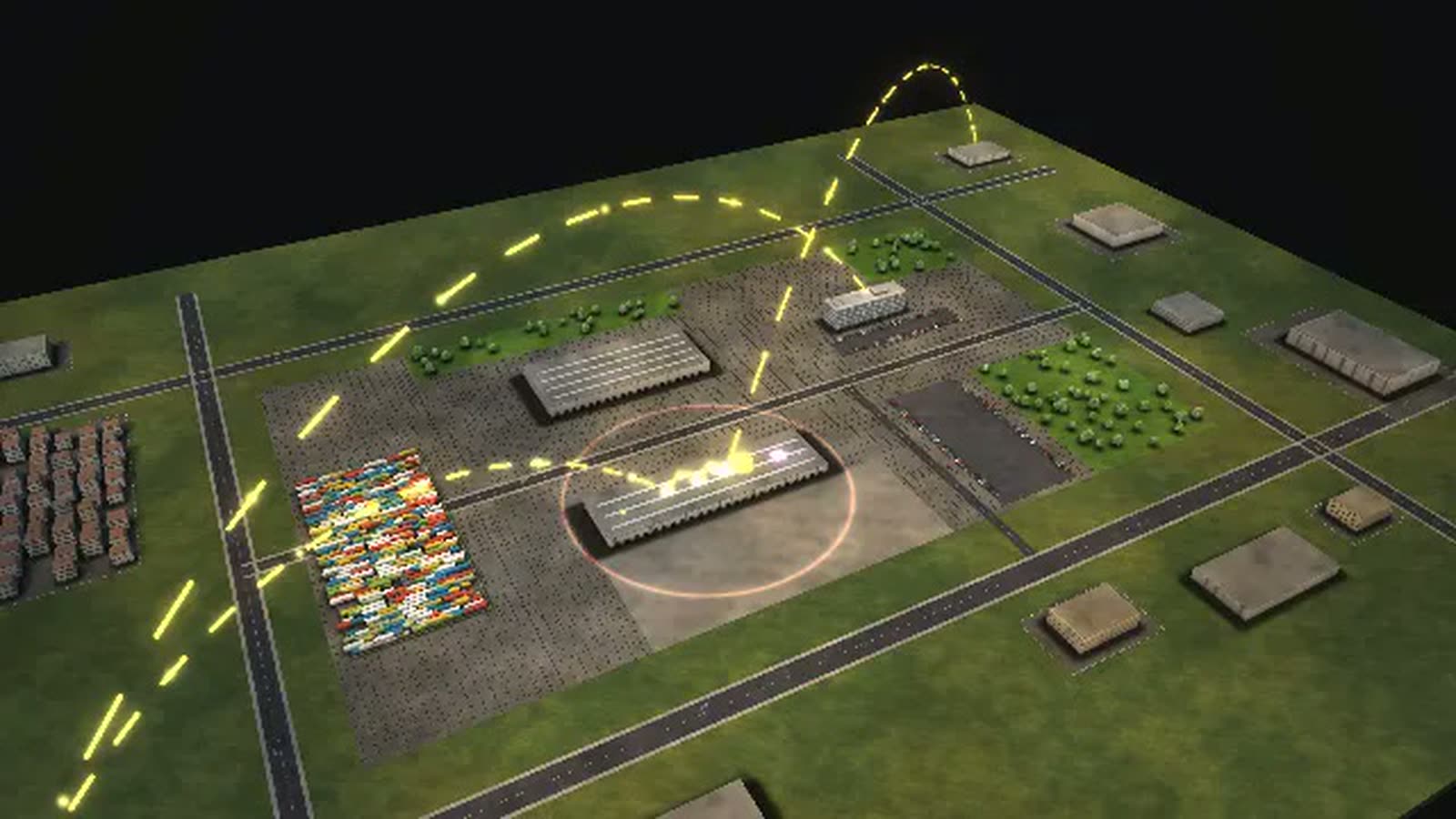
A freight forwarder as a walkable model: groupage, ocean and air freight, cross-docking and customs in a running simulation.
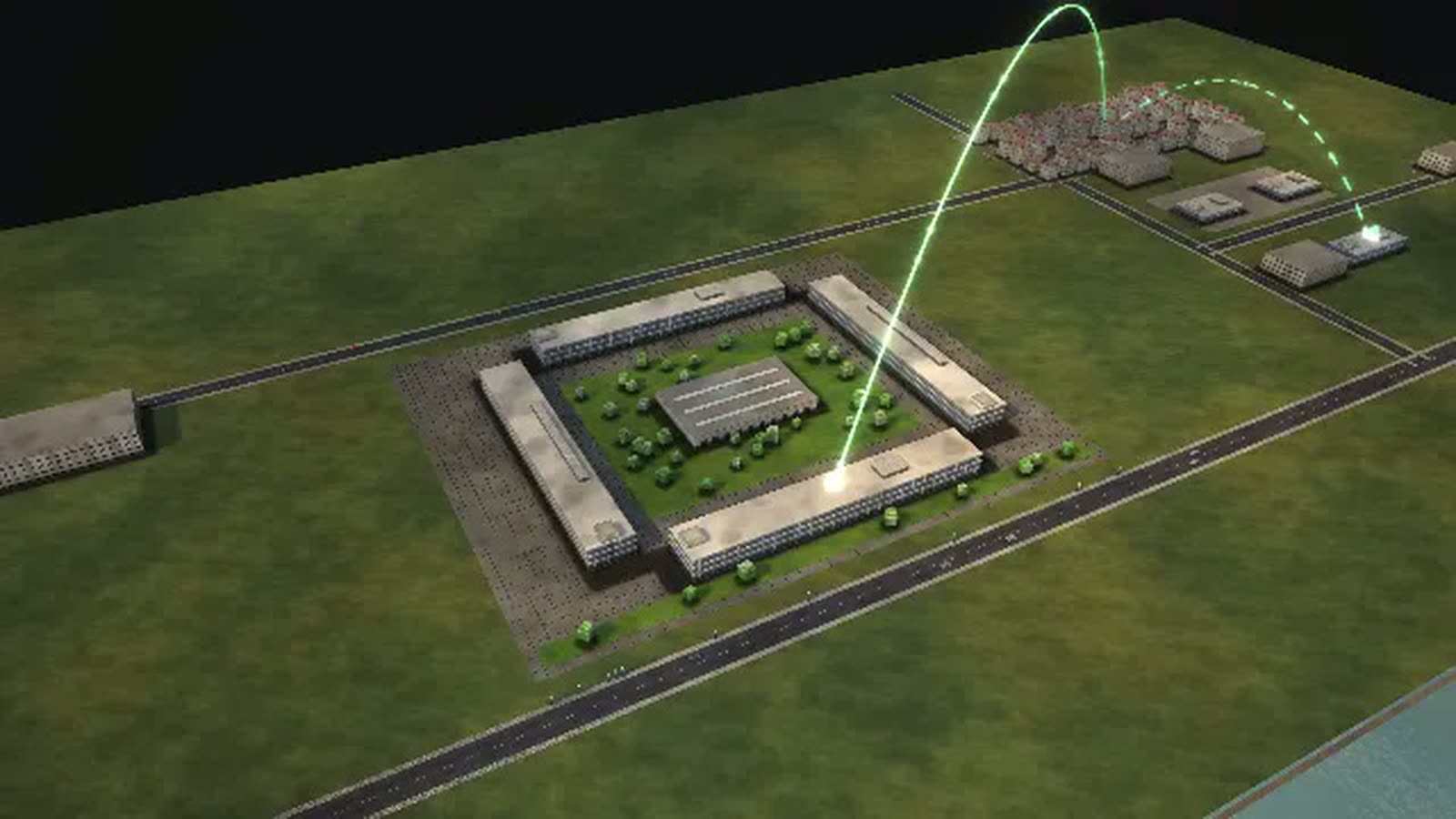
All data are fictional – KAVELON LOGISTIK does not exist. The model can be fitted to your real data and then shows what is locked in separate systems today: shipment data per lane and line haul, or customs status and inspection rate per shipment.
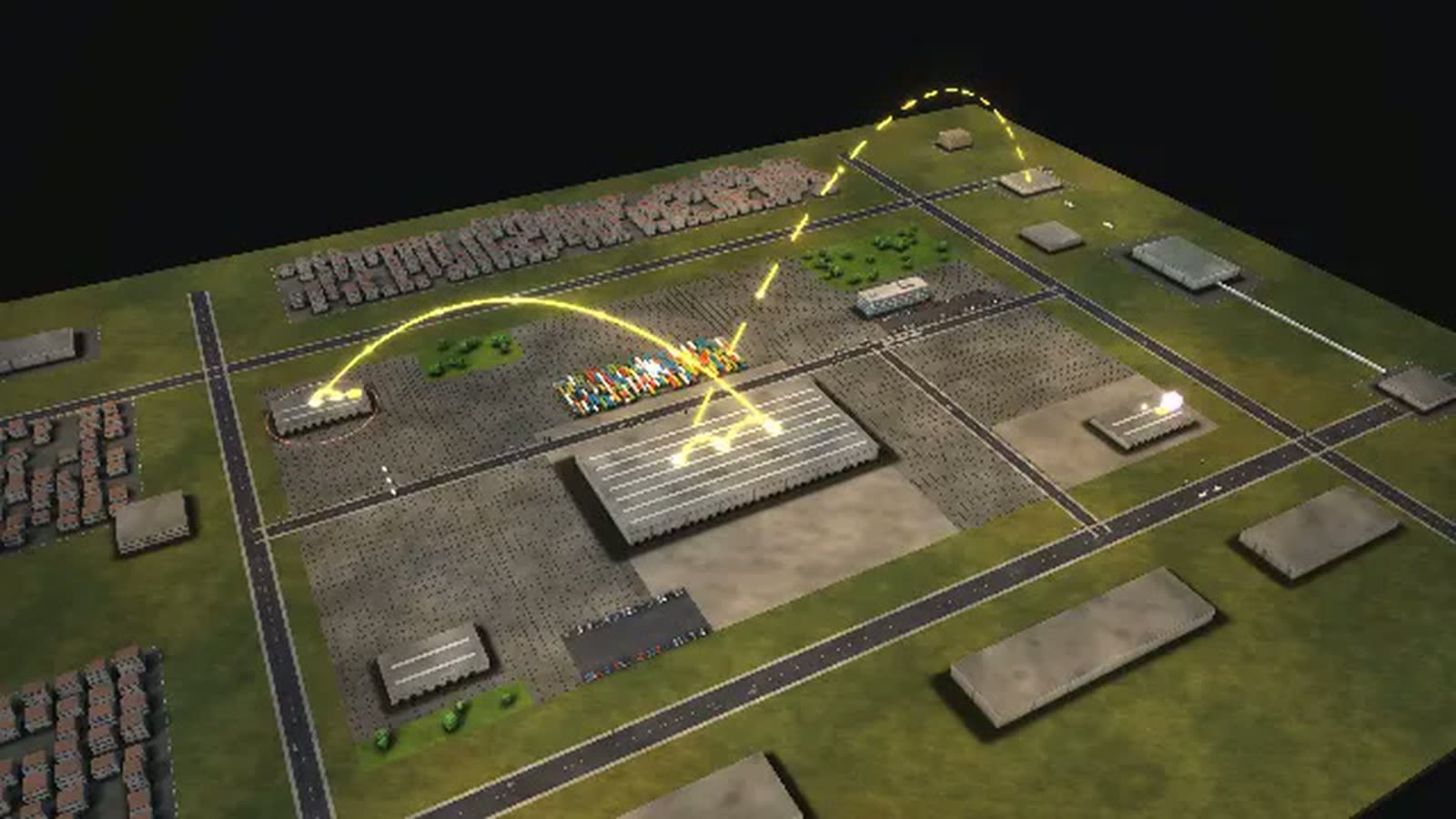
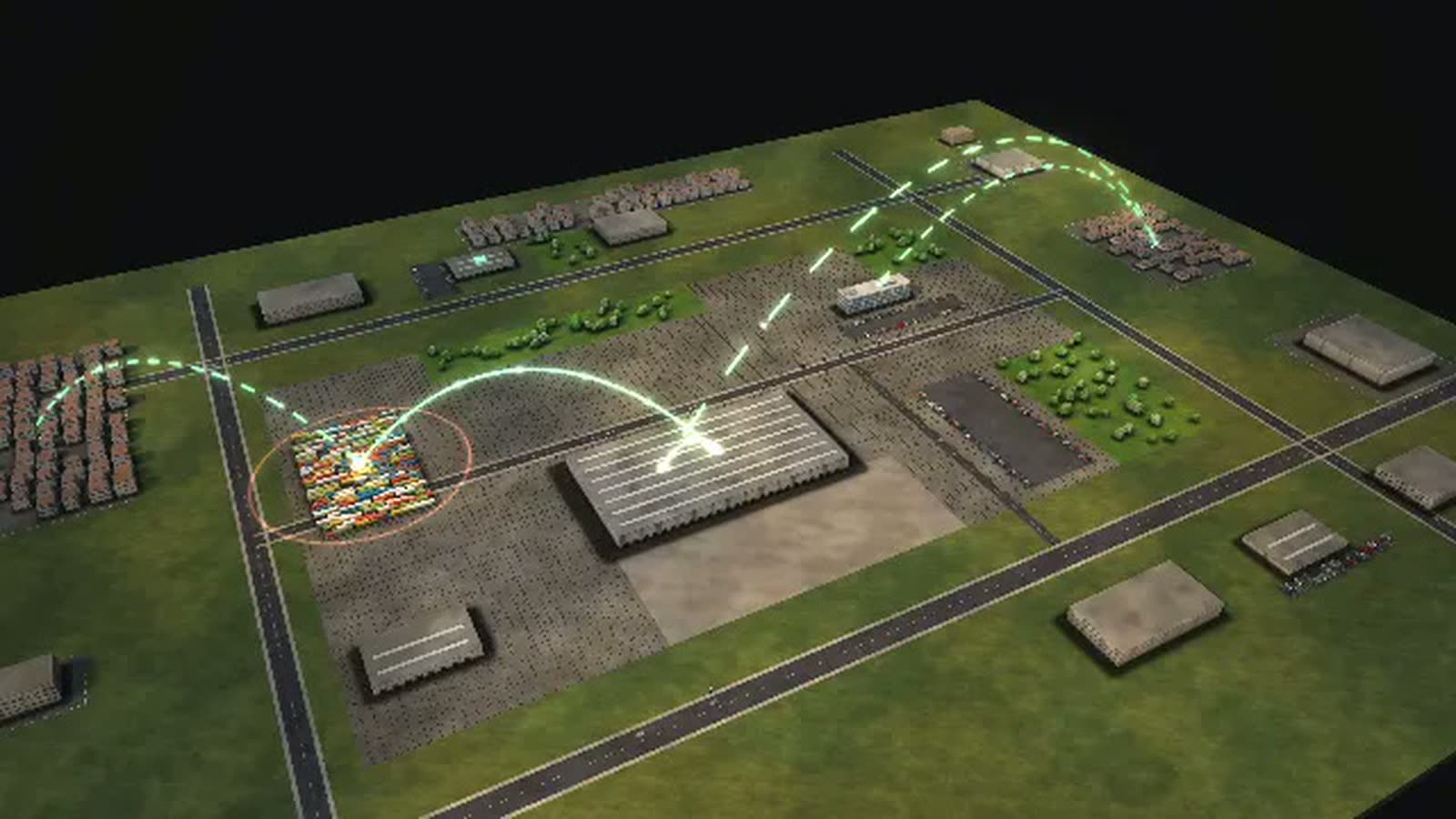
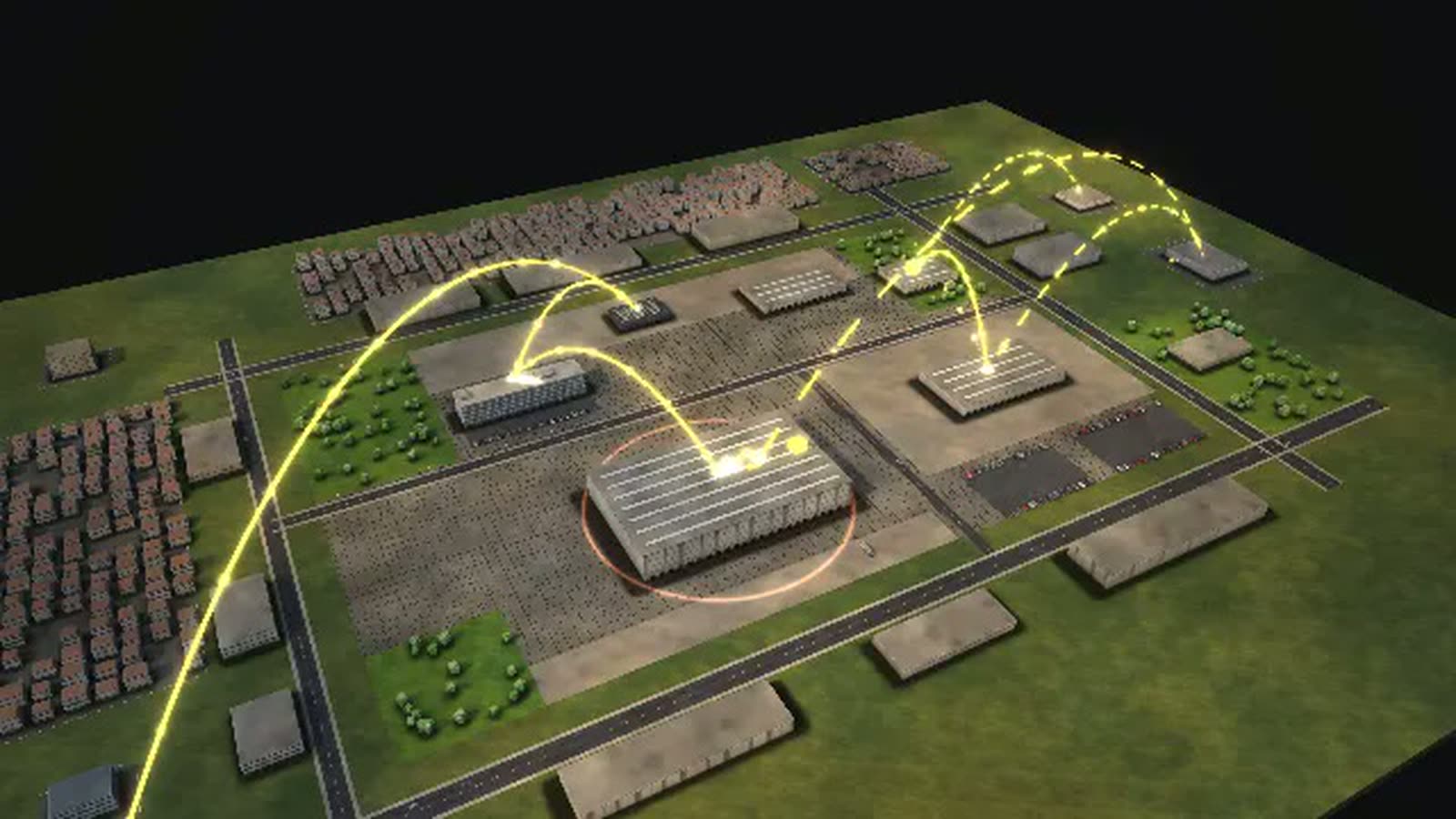
The groupage freight process at a forwarder, as a running model. KAVELON LOGISTIK is fictional and, like many forwarders, hardly drives itself: it buys space from carriers, cross-docks the goods and holds the chain together with data and customs. The main process shows a groupage (LTL) shipment from pick-up and cross-docking onto destination lanes to the line haul at 8 pm. Miss it, and the shipment waits until the next evening.
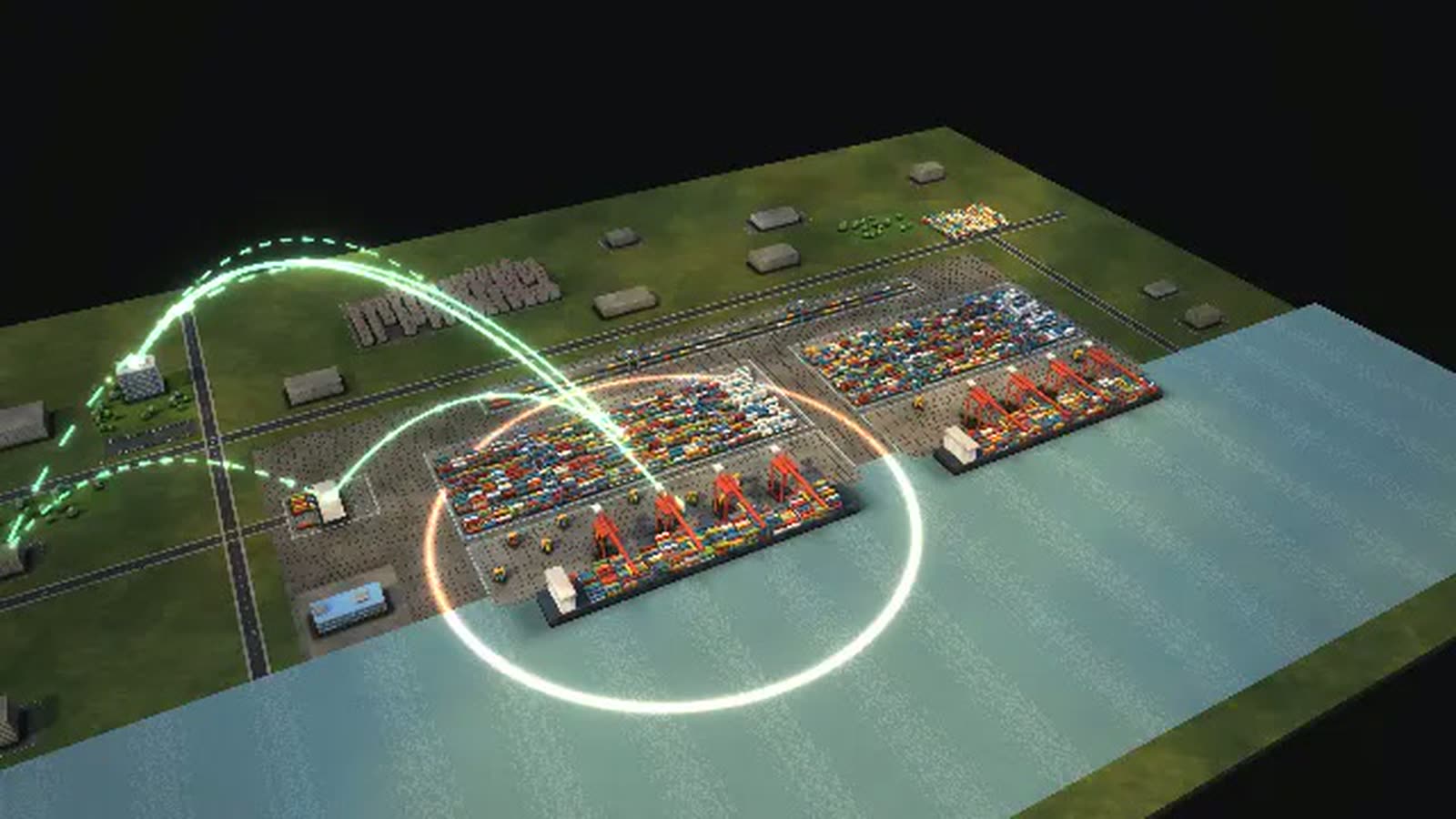
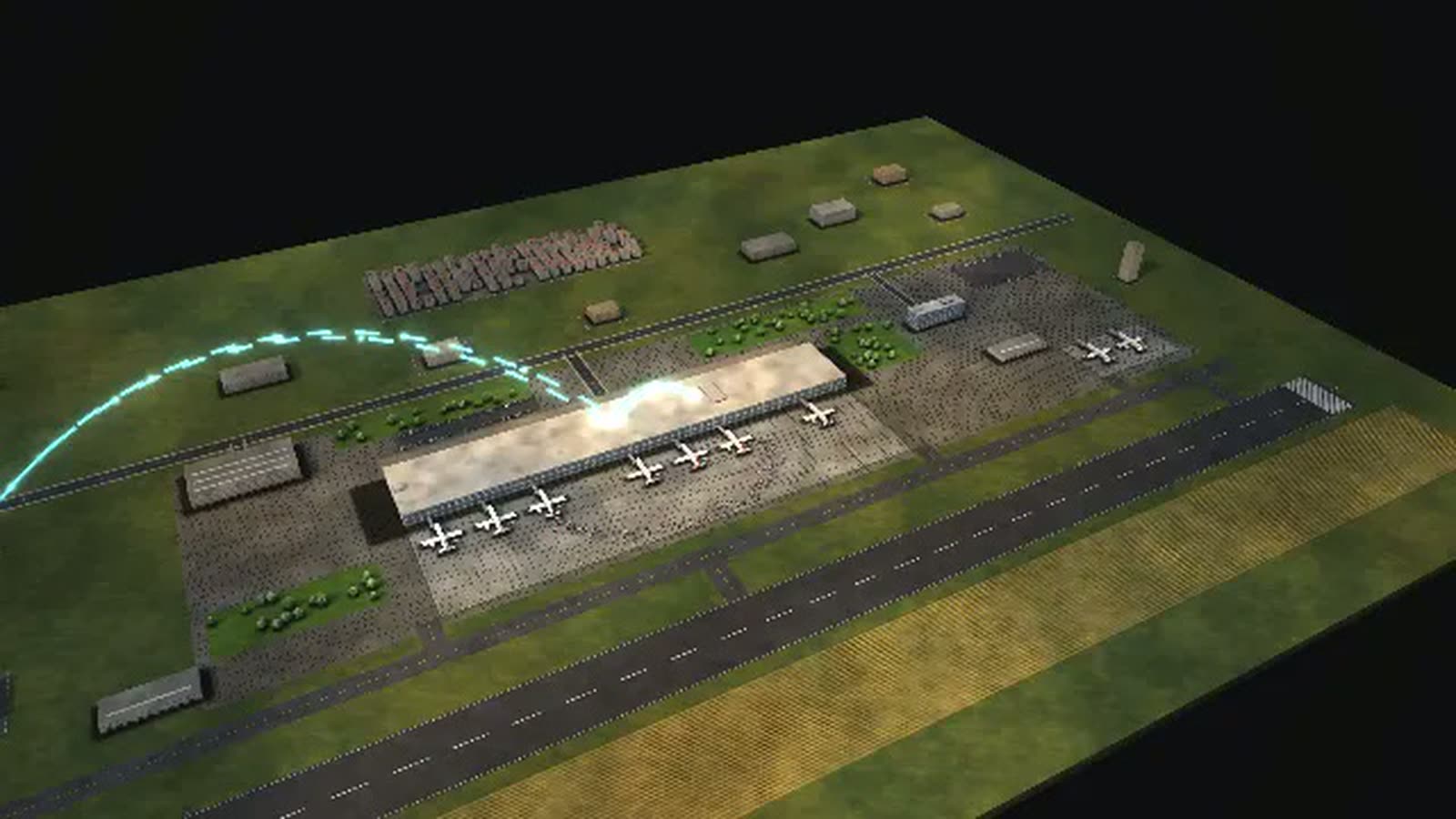
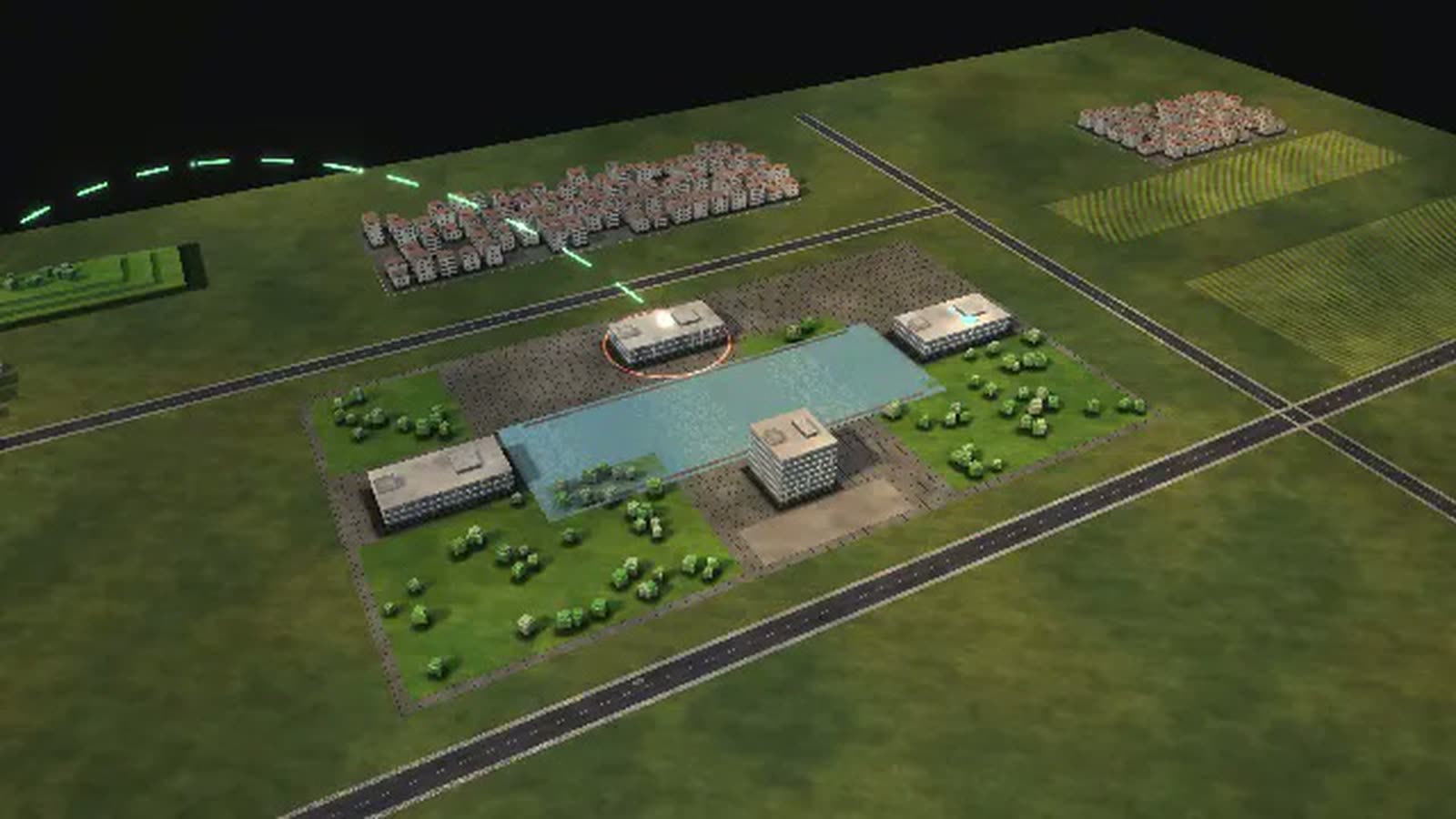
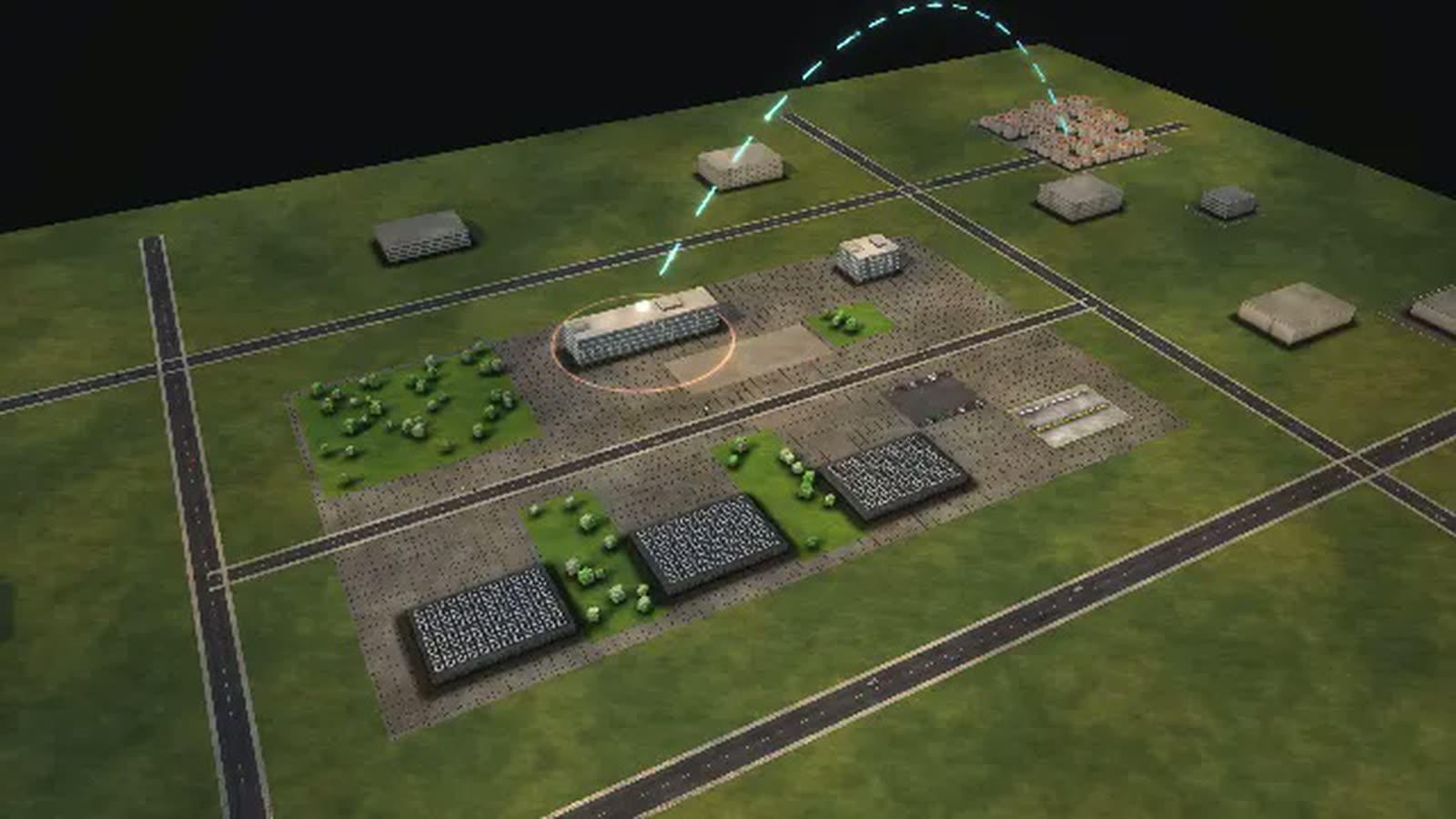
The site holds the head office, the cross-dock terminal, a contract logistics warehouse and a truck and container yard. Alongside, a container travels from Asia and an air freight shipment goes overseas. A diversion around the Cape stretches the sea voyage by a third for a month. With authorised economic operator (AEO) status, customs inspects less often.
Customs inspection rates and sea transit times are model assumptions. Documented in the sources: forwarders mostly work with third-party carriers, and customs decides on release. This page is for senior management, dispatch, cross-dock operations, customs, sales and customer service.
A groupage shipment travels the network
- 01
Road dispatch: A customer releases two pallets for shipping; dispatch plans the pick-up.
- 02
Pick-up at shipper: A haulier collects the goods.
- 03
Cross-dock inbound: In the evening the cross-dock unloads the pick-up trucks.
- 04
Cross-docking to lanes: Pallets are placed on the lanes of their destination region.
- 05
Line haul (8 pm): At 8 pm the line hauls leave.
- 06
Network partner at destination: A partner forwarder in the destination area takes over.
- 07
Delivery to consignee: Delivery to the consignee.
- 08
Delivered.
How a freight forwarder can use the model
-
Internal communication
‘Who works with whom’ shows network partners, customs, shipping lines and airlines around the head office, so every department sees how much the forwarder achieves together with others.
Pour quiSenior management, internal comms
-
Onboarding
New colleagues in sales and dispatch see how little the forwarder drives itself and who takes over a shipment between pick-up and delivery.
Pour quiSales, dispatch, new staff
-
Training
Trainees play through the driver shortage: for three days pick-ups and on-carriage take almost twice as long. The resources view shows whether the 8 pm line haul still fills up.
Pour quiForwarding and cross-dock trainees, shift leads
-
Explaining to customers
Show shippers where a shipment loses days: sea voyage, customs, cross-docking. The diversion around the Cape shows how one strait lengthens the supply chain.
Pour quiCustomer service, ocean freight, sales, shippers
-
Strategic overview
AEO status, a larger customs team or an extra cross-dock shift? ‘What each control does’ ranks the levers for faster clearance.
Pour quiSenior management, customs, site management
What is shown – why – for whom
| Ce qui est montré | Pourquoi | Pour qui |
|---|---|---|
| Diagram ‘Year, week, day’: pick-up, cross-docking, line haul at 8 pm | PourquoiExplains the day of a groupage shipment. | Pour quiDispatch, customers |
| Diagram ‘Who works with whom’: shipping lines, airlines, customs, network partners | PourquoiShows how little the forwarder drives itself. | Pour quiSales, induction of new teams |
| Diagram ‘Where the time goes’: sea voyage, customs, cross-docking | PourquoiShows where a shipment loses days. | Pour quiCustomer service, ocean freight |
| Diagram ‘What each control does’: AEO status, customs team, cross-dock staff | PourquoiRanks the levers for faster clearance. | Pour quiSenior management, customs |
| Diagram ‘The path across the site’: cross-dock, contract warehouse, truck yard | PourquoiShows the routes on site. | Pour quiSite management |
| Resources view in the cross-dock terminal in the evening | PourquoiShows whether the line haul fills up. | Pour quiShift leads |
| Disruption ‘Diversion around the Cape’ | PourquoiShows how one strait lengthens the supply chain. | Pour quiCustomers, sales |
Departments in the model
-
Management
Leads the modes of transport and country stations.
-
Finance
Assigns every bill to a shipment: margin = sale minus purchase.
-
Quality and compliance
Checks customs procedures, air security and sanctions lists.
-
Sales
Wins customers and answers tenders.
-
Procurement and rates
Buys capacity from shipping lines, airlines and hauliers.
-
Ocean freight
Books containers, tracks ships, organises pre- and on-carriage.
-
Air freight
Consolidates shipments and hands them to the airline.
-
Road freight
Dispatches pick-up, line haul and delivery in the groupage network.
-
Customs brokerage
Files imports and exports with customs – on behalf of the customer.
-
Cross-dock
Unloads pick-up trucks in the evening and loads trucks to the other regions.
-
Contract logistics
Stores and picks for customers on their account.
All processes in the model
A groupage shipment travels the network
- 01Road dispatch: A customer releases two pallets for shipping; dispatch plans the pick-up.
- 02Pick-up at shipper: A haulier collects the goods.
- 03Cross-dock inbound: In the evening the cross-dock unloads the pick-up trucks.
- 04Cross-docking to lanes: Pallets are placed on the lanes of their destination region.
- 05Line haul (8 pm): At 8 pm the line hauls leave.
- 06Network partner at destination: A partner forwarder in the destination area takes over.
- 07Delivery to consignee: Delivery to the consignee.
- 08Delivered.
A container comes from Asia
- 01Ocean booking: Ocean freight books a container for an importer.
- 02Slot at the shipping line: The shipping line confirms a slot on a ship.
- 03Ocean transport: Weeks at sea – Asia to northern Europe.
- 04Arrival: customs declaration and carrier release run at the same time.
- 05Customs declaration: The customs team files the shipment electronically (ATLAS).
- 06Customs decision: Customs checks by risk: release or inspect.
- 07Customs inspection: Inspection: customs opens the container.
- 08Carrier release and terminal slot: Freight paid, carrier releases, terminal slot booked.
- 09Customs and release are in place.
- 10On-carriage by truck: A truck brings the container to the warehouse.
- 11Put-away contract logistics: Contract logistics puts the goods away for the customer.
- 12Stored.
An air freight shipment goes overseas
- 01Air booking: Air freight books an urgent spare parts shipment.
- 02Pick-up at shipper: Pick-up at the customer.
- 03Air freight handling: Acceptance at air freight handling.
- 04Security screening: X-ray: only secure cargo may enter the aircraft.
- 05Second screening: repeat X-ray: Unclear image: second check.
- 06Export declaration and consolidation at the same time.
- 07Customs declaration: The customs team files the shipment electronically (ATLAS).
- 08Customs decision: Customs checks by risk: release or inspect.
- 09Customs inspection: Inspection: customs opens the container.
- 10Consolidation: Many shipments are bundled into one consolidation.
- 11Export and consolidation done.
- 12Handover to airline (9 pm): At 9 pm the forwarder hands over to the airline's cargo handling.
- 13Flight: Flight in an airline's cargo hold.
- 14Deconsolidation at destination: The own overseas station breaks down the consolidation.
- 15Arrived.
What you can change
Controls
- Shipment volume: More orders across all modes.
- Cross-dock staff: How many crews cross-dock in the evening.
- Customs team: How many declarations are handled at once.
- Authorised economic operator: With AEO status customs inspects less often.
- Line-haul trucks: How many shipments can leave at 8 pm.
Disruptions
- Customs IT outage: Eight hours without electronic filing: customs works slowly, containers wait in port.
- Diversion around the Cape: Ships avoid a strait: for a month the voyage takes a third longer.
- Driver shortage: For three days truck drivers are missing: pick-ups and on-carriage take almost twice as long.
What the model gives a freight forwarder
-
01
A network, not a fleet
The model shows what makes a forwarder: other carriers' space, its own data, its own customs team. Customers and new teams see it by walking through the site.
-
02
The day of a groupage shipment
Pick up by day, cross-dock in the evening, leave at 8 pm: ‘Year, week, day’ shows the rhythm, the simulation the queue in front of it.
-
03
Three modes in one model
Groupage overnight, containers over weeks, air freight in days: all three processes run at the same time on the same site.
-
04
Customs as a lever
Controls for the customs team and AEO status show how release gets faster; the disruption ‘Customs IT outage’ shows what happens without electronic filing.
-
05
For customer meetings and big screens
Walkable in the browser and on large projections, with a guided tour on first start.
Basis and limits
Fictional freight forwarder · model based on researched industry structures · no forecast for real companies
1 case = 10 groupage shipments, 1 container or 1 air shipment · 1 figure ≈ 15 employees
All volumes, durations, rates and capacities are model assumptions, not values of a real forwarder.
Inspection rate and ocean transit times: model assumptions.
Documented: forwarders mostly use third-party carriers; customs decides on release; air security by approved agents.
Public sources the model is based on:
- Zoll: ATLAS
- Unionszollkodex VO (EU) 952/2013
- Luftfahrt-Bundesamt: Reglementierte Beauftragte
- DSLV: ADSp
Your forwarding business as a model
Would you like to see your cross-dock, lanes or customs clearance like this? Write or phone us and we'll work out which transport management and customs data the model needs. We'll send you the password on request.
cube4tec.de/spiele/minimal-organization/
Poser une question à ce sujet
Minimal Organization: Spedition
Similar business models
-
Parcel service
A parcel service as a walkable model: the overnight run through the hub, sorter and shuttles, then the morning route to the doorstep.
-
Container shipping line
A container line with its own terminal as a walkable model: gate, yard, stowage plan and quay cranes, timed by a fixed schedule.
-
Airport
An airport as a walkable model: passengers from check-in through security to the gate, plus baggage, turnaround and winter operations.
-
Food retail
A food retailer as a walkable model: fresh produce from automatic ordering through the night in the distribution centre to the shelf before opening.
-
Online retail
An order from click to doorstep as a walkable model: payment check, warehouse, packing, trucks, sortation and delivery in a running simulation.
-
Search engine
A search and advertising group as a walkable model: auctions in milliseconds, experiments over weeks, and a new ad campaign that waits for people.
-
Cloud provider
A cloud provider as a walkable model: support cases, zone outages and new data centres on three time scales, in a running simulation.
-
Smartphone maker
A smartphone maker without its own factory as a walkable model: repairs, spare parts, supply chain and product launch in a running simulation.
All data are fictional – KAVELON LOGISTIK does not exist. The model can be fitted to your real data and then shows what is locked in separate systems today: shipment data per lane and line haul, or customs status and inspection rate per shipment.