
Simulation · Minimal Organization · Digital platforms
Smartphone maker
A smartphone maker without its own factory as a walkable model: repairs, spare parts, supply chain and product launch in a running simulation.
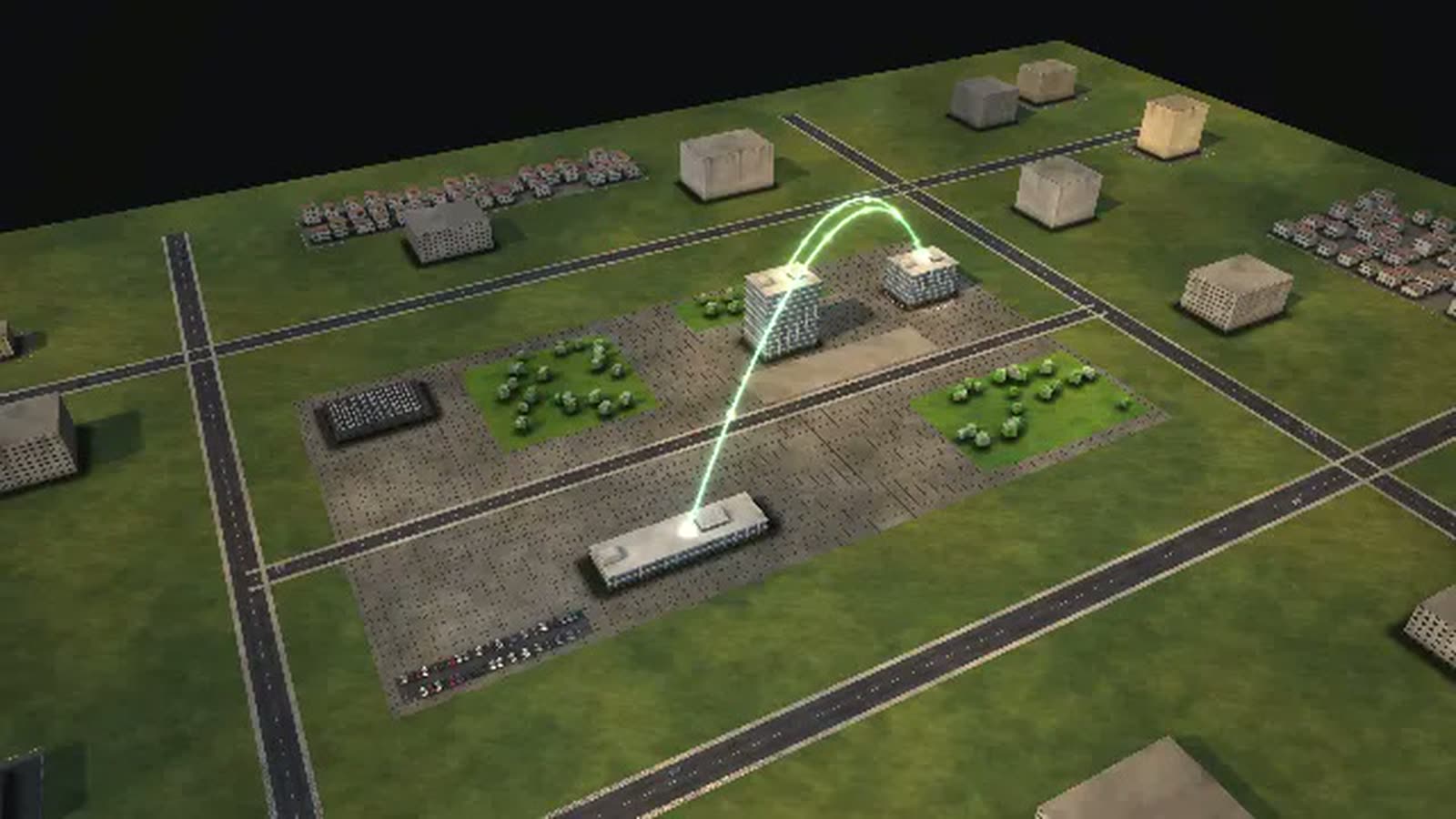
All data are fictional – TELVANO does not exist. The model can be fitted to your real data and filled with what stays hidden today: failure rates by model and component, or spare-part stock per warehouse with lead times.
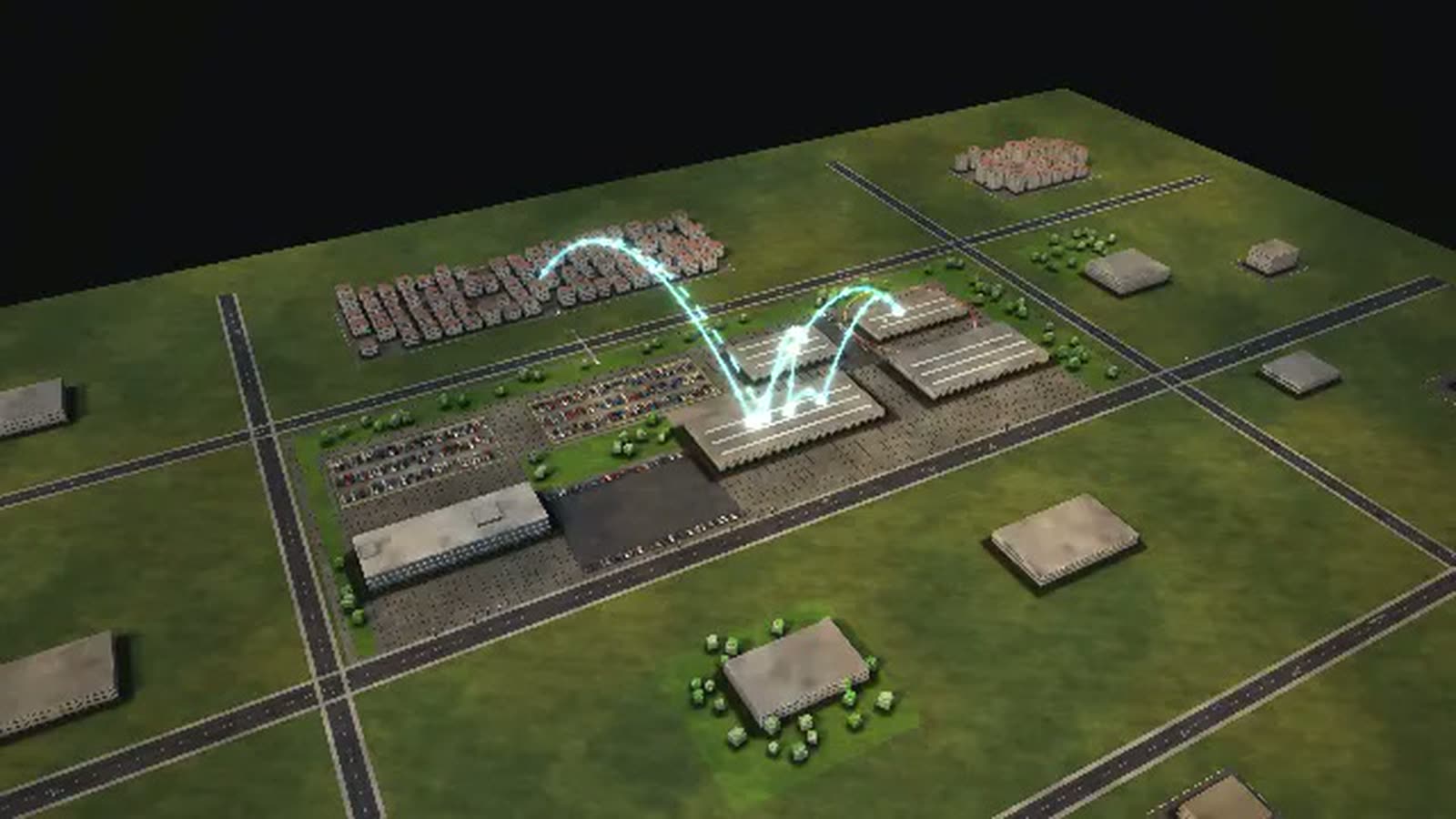
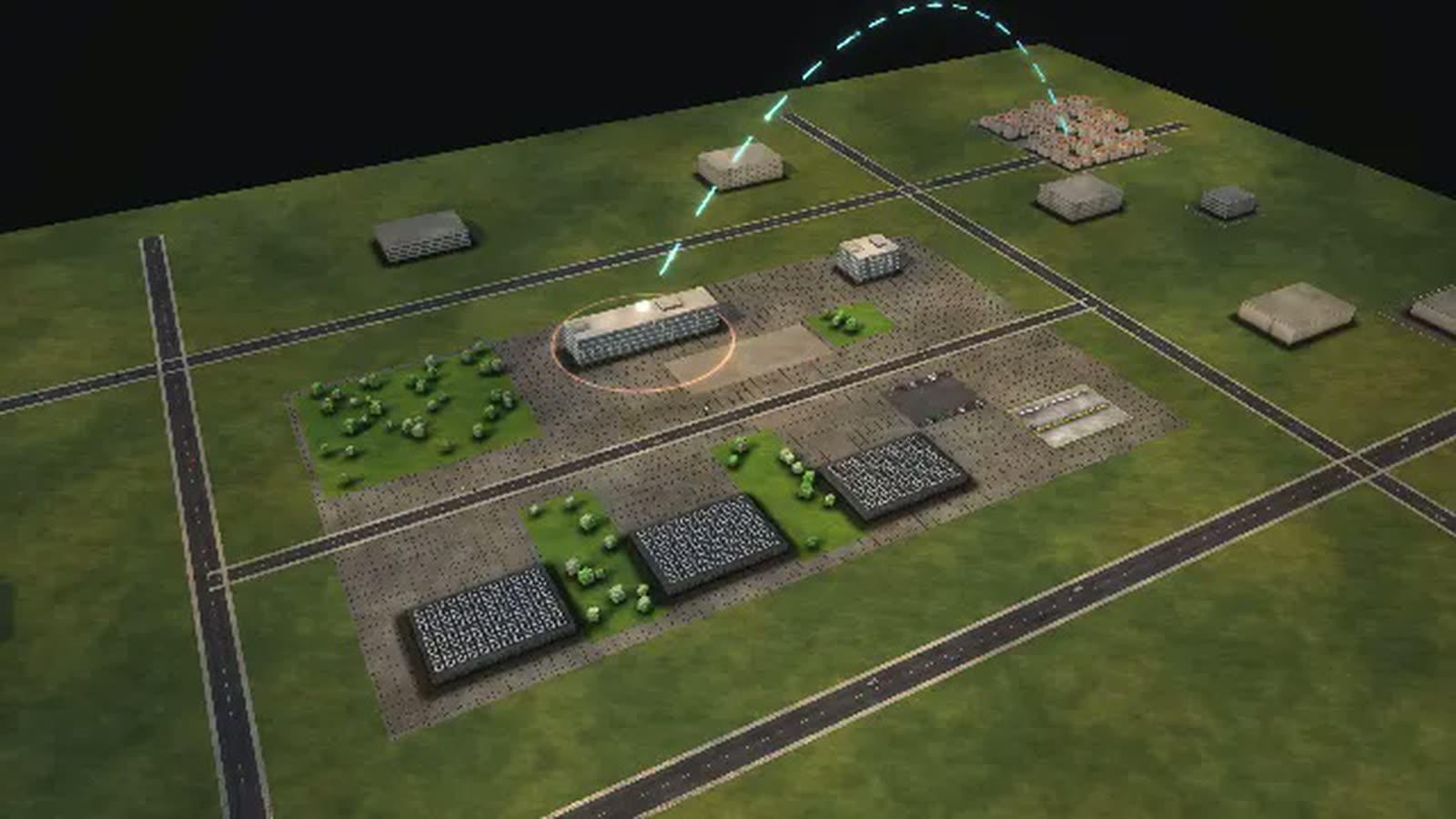
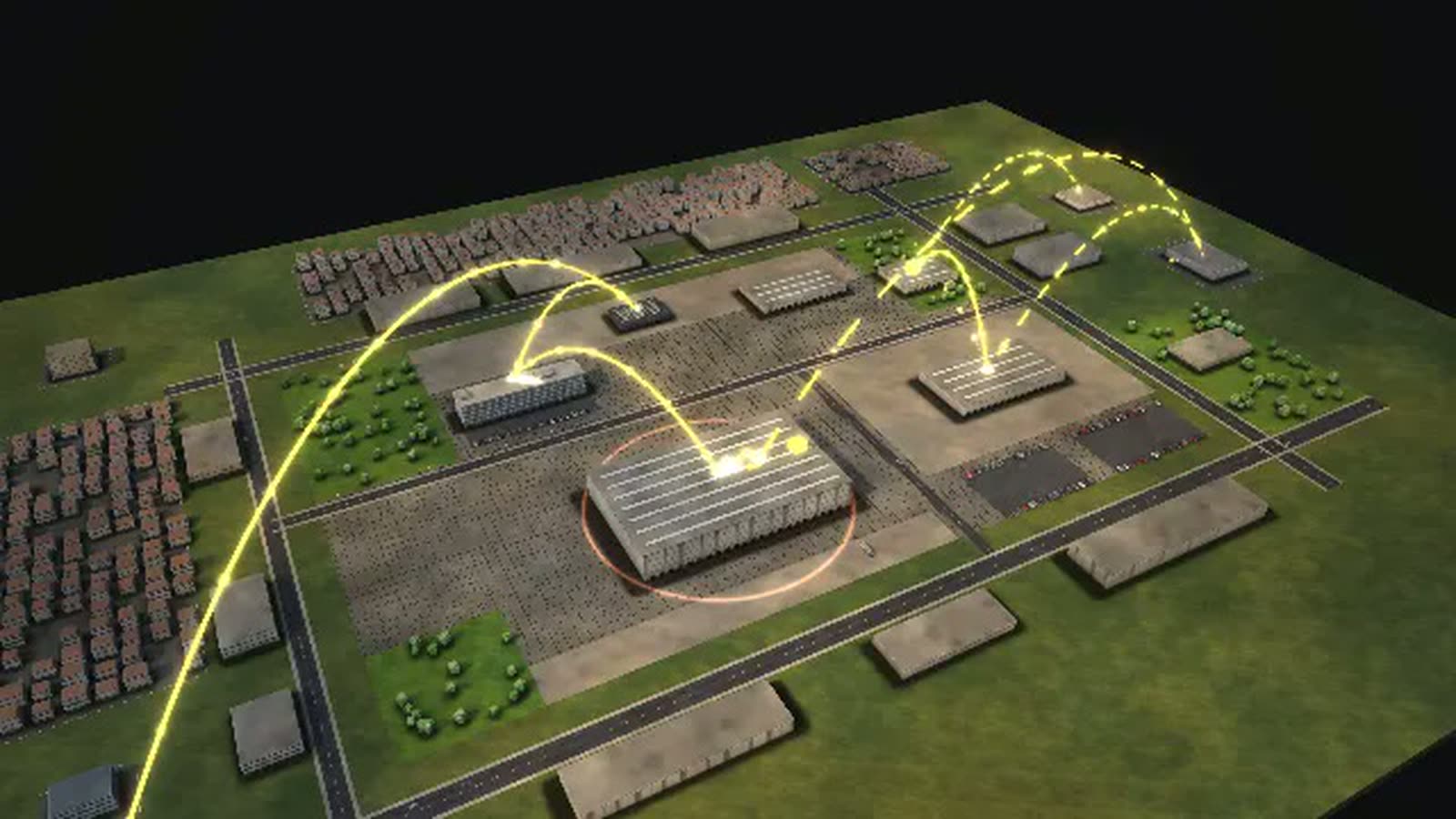
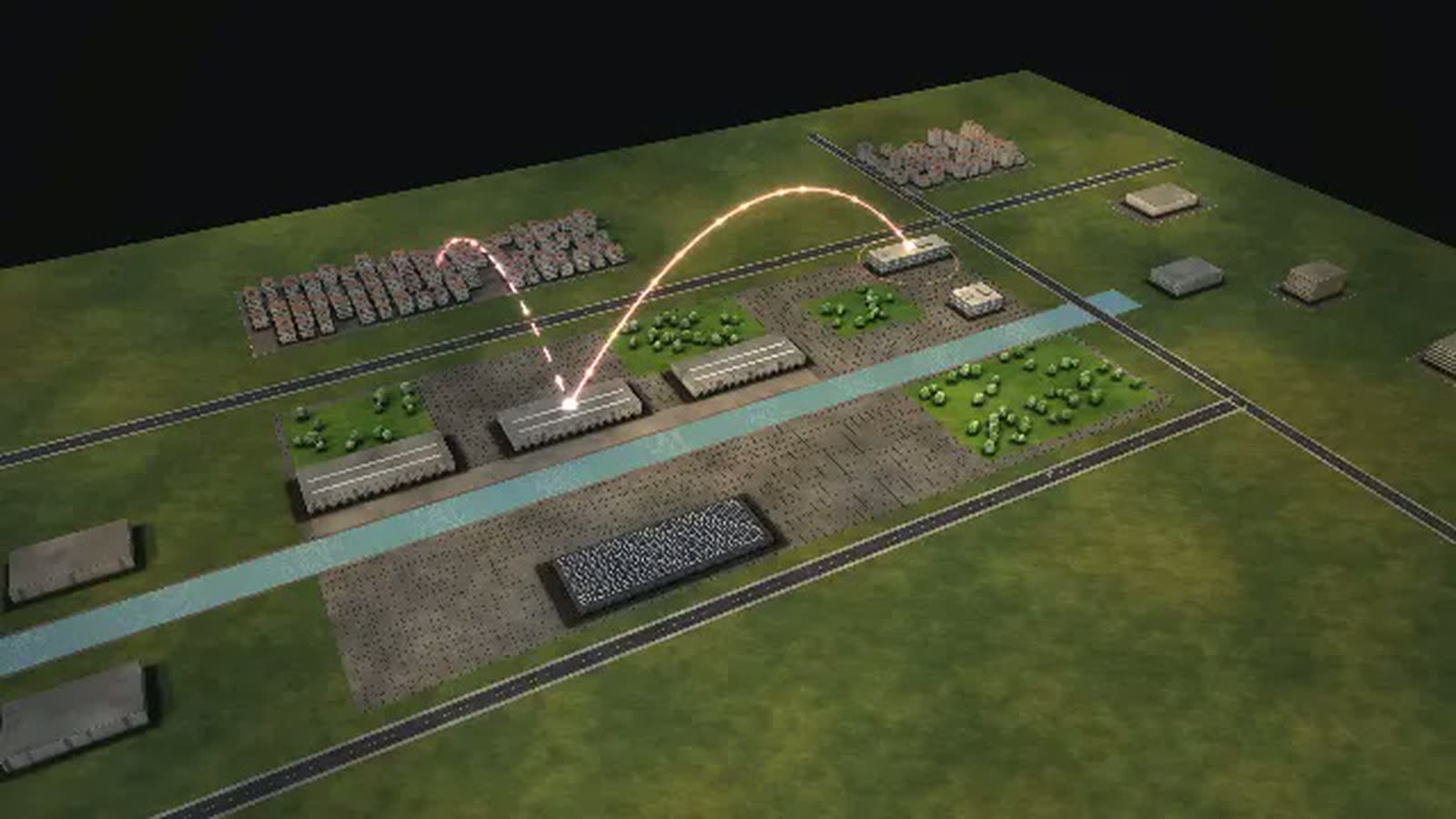
The smartphone repair process at a manufacturer, as a running model. TELVANO is fictional and does not build its own phones: they are designed on campus and made by another company overseas. In the main process customers report a weak battery. The device goes to remote diagnosis, then to a module swap at the service centre or to an authorised service partner; if a part is missing, it comes from the central store. The target in the model: device back within three days.
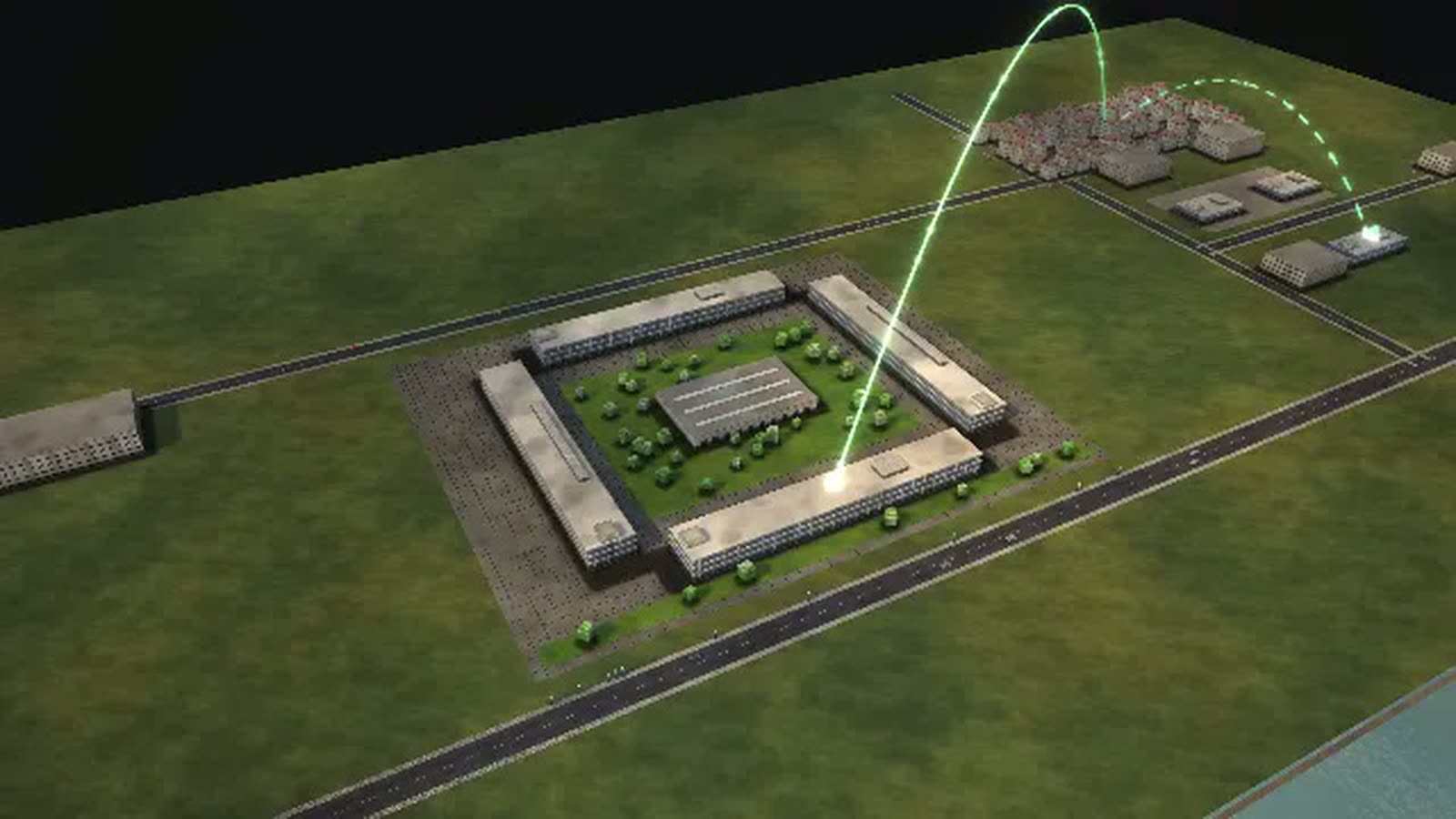
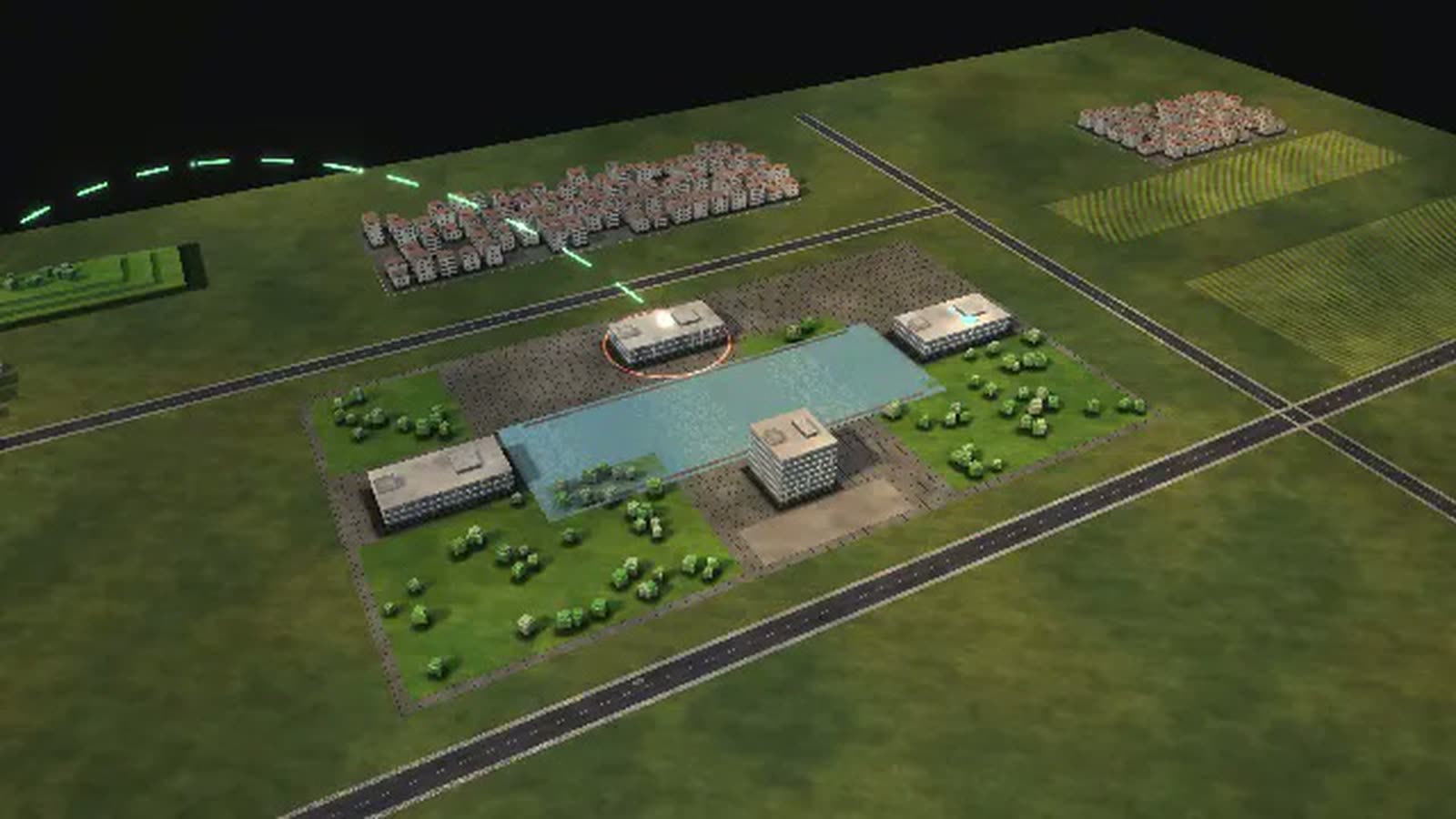
The site has four campus wings for design, hardware, software and operations, a prototype workshop, two stores and a service centre – but no factory. The ‘Modular design’ control lets battery and display be swapped faster. A battery fault in the field brings three times as many repairs for two weeks. Alongside, a new device travels towards market launch and a part runs short.
This page is for people at a smartphone or electronics maker who run or explain service, product development, procurement or the supply chain.
A device is broken
- 01
Customer reports a defect: Ten customers report: the battery no longer lasts.
- 02
Remote diagnosis: Support checks remotely.
- 03
Solved remotely: case closed: Solved remotely.
- 04
Customer brings the device: The customer brings the device to the service centre.
- 05
Repair: swap module: The workshop replaces the battery.
- 06
Spare part from the central store: The spare part comes from the central store.
- 07
Repair at a service partner: An authorised partner repairs.
- 08
Return to the customer: The device goes back to the customer.
- 09
Repaired.
How a device maker can use the model
-
Internal communication
The structure view shows design, hardware, software and operations as one house in four wings. ‘Who works with whom’ adds how much happens at contract manufacturers, stores and service partners.
Pour quiBoard, internal comms
-
Onboarding
New employees see how their wing connects to the others and follow a broken device from remote diagnosis to its return.
Pour quiNew staff in engineering, service and stores
-
Training
Service trainees play through ‘Spare parts short’: for a month every part takes twice as long. They see which devices wait and where the three-day target breaks.
Pour quiService technician trainees, store teams
-
Explaining to customers
In the store you can show where a device spends its three days: diagnosis, service centre or partner, spare part from the central store.
Pour quiCustomer support, stores, service partners
-
Strategic overview
Glued or modular, one source or two: the controls show how much time repairable design saves, and how many shortages a second source prevents at a higher unit cost.
Pour quiBoard, product development, procurement, sustainability
What is shown – why – for whom
| Ce qui est montré | Pourquoi | Pour qui |
|---|---|---|
| Path of a broken device: remote diagnosis, service centre, service partner (Processes view) | PourquoiShows where the device spends its three days. | Pour quiHead of service, customer service |
| Diagram ‘What each control does’: modular versus glued | PourquoiPuts a figure on repairable design. | Pour quiProduct development, sustainability |
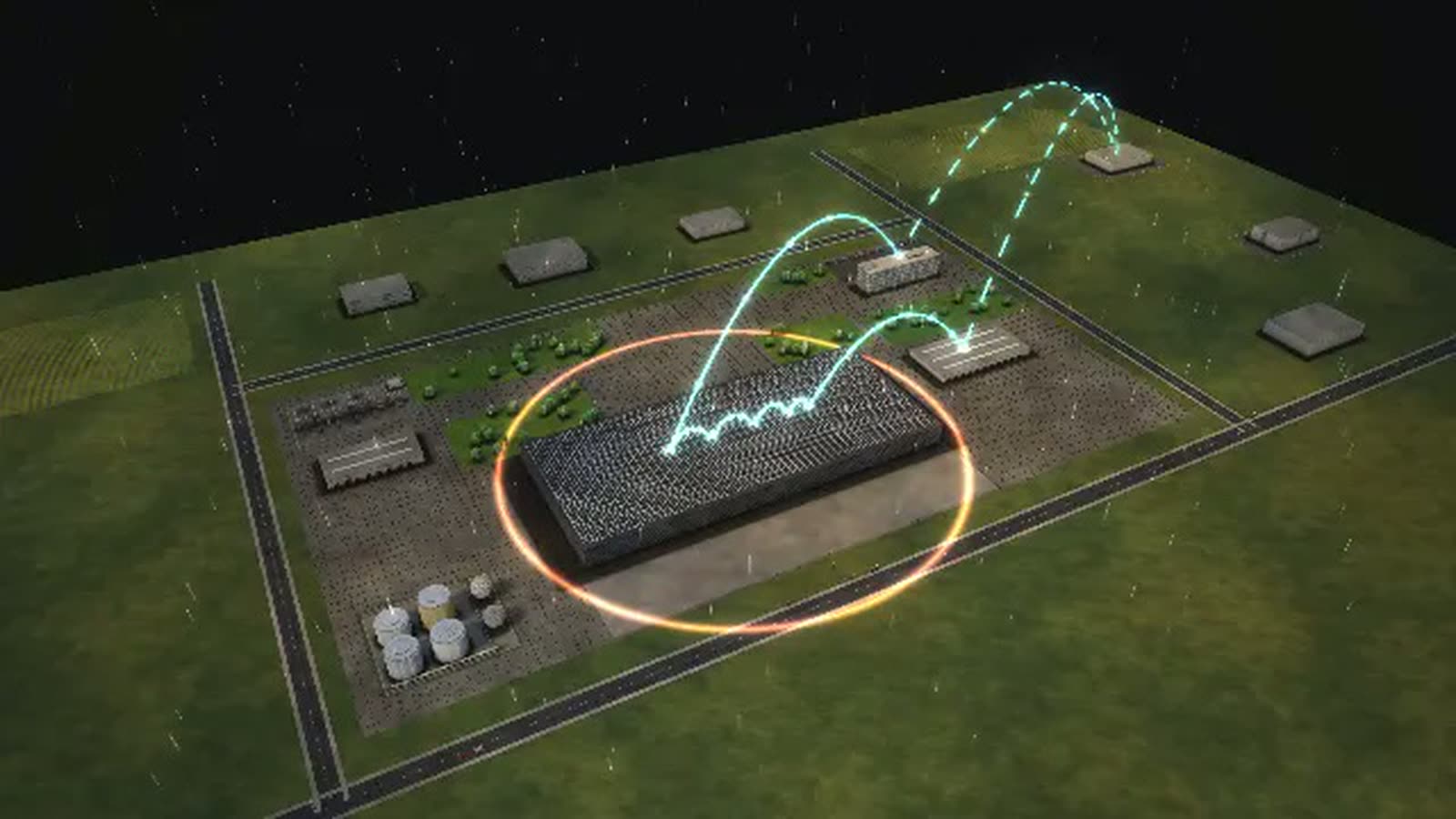
| Diagram ‘Where it gets tight’ during a battery fault in the field | PourquoiShows when service centre and spare parts tip over. | Pour quiQuality, service, management |
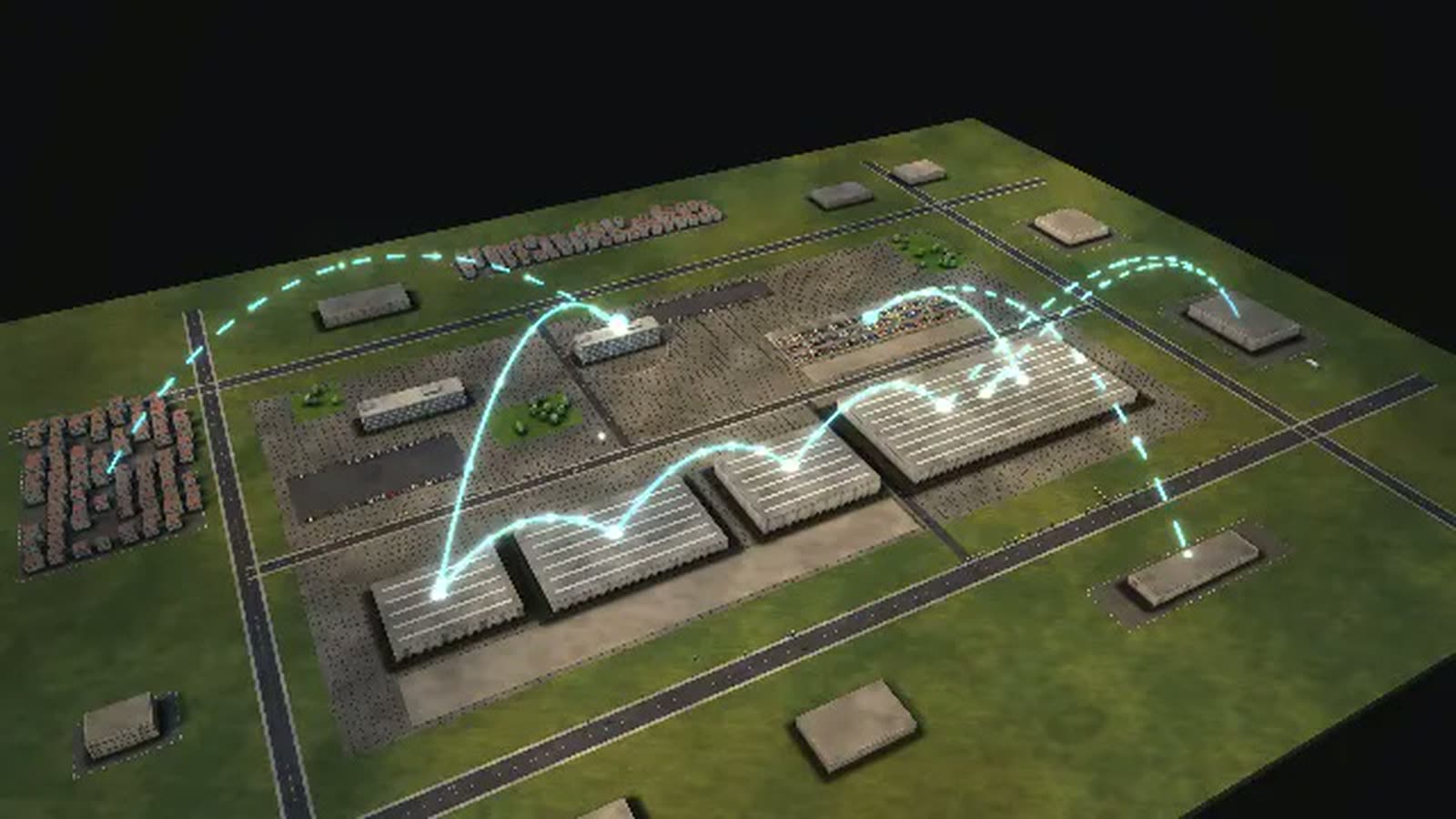
| Diagram ‘Who works with whom’: campus, contract manufacturer, stores, service partners | PourquoiShows how much happens outside the company. | Pour quiProcurement, supply chain |
| Diagram ‘Year, week, day’: product launch on a single day | PourquoiExplains why everything runs towards one date. | Pour quiMarketing, operations |
| Structure view of the four campus wings | PourquoiShows design, hardware, software and operations as one house. | Pour quiNew staff |
| Process ‘A part runs short’ with the control ‘Dual sourcing for critical parts’ | PourquoiWeighs unit cost against supply risk. | Pour quiProcurement, board |
Departments in the model
-
Board
Run by function: design, hardware, software, operations.
-
Product marketing
Decides what the next device can do.
-
Industrial design
Form, material, colour.
-
Hardware engineering
Boards, radio, battery, housing.
-
Software engineering
Operating system, apps, updates.
-
Operations and ramp
Steers the manufacturer and the ramp.
-
Procurement and supplier quality
Buys parts, audits suppliers.
-
Supply chain planning
Allocates scarce parts to markets.
-
Stores and sales
Own stores and partners.
-
Customer support
Remote diagnosis.
-
Service and repair
Swaps modules and devices.
-
Legal and certification
Radio approval, ecodesign, repair duties.
All processes in the model
A device is broken
- 01Customer reports a defect: Ten customers report: the battery no longer lasts.
- 02Remote diagnosis: Support checks remotely.
- 03Solved remotely: case closed: Solved remotely.
- 04Customer brings the device: The customer brings the device to the service centre.
- 05Repair: swap module: The workshop replaces the battery.
- 06Spare part from the central store: The spare part comes from the central store.
- 07Repair at a service partner: An authorised partner repairs.
- 08Return to the customer: The device goes back to the customer.
- 09Repaired.
A new device reaches the market
- 01Product definition: Product marketing decides: better camera, same price.
- 02Hardware and software are developed in parallel.
- 03Architecture and supplier choice: Hardware chooses chip, display and suppliers.
- 04Software for the new device: Software adapts the operating system.
- 05Developed.
- 06Prototype builds at the manufacturer (EVT, DVT): The overseas manufacturer builds prototypes in stages.
- 07Radio approval and pilot run in parallel.
- 08Radio approval: A test body checks radio and safety.
- 09Pilot run (PVT): The pilot runs on the series line.
- 10Ready for series.
- 11Ramp: is the yield sufficient?: Operations ramps up production.
- 12Freight and customs to the markets: Freight and customs bring the devices into the markets.
- 13Market launch: Launch in stores and at carriers.
- 14In stores.
A part runs short
- 01Supplier reports a shortfall: A display supplier reports: a fifth less next quarter.
- 02Assess the situation: Planning assesses: prioritise markets or a second source?
- 03Qualify a second source: Procurement qualifies a second supplier.
- 04Prioritise markets: Scarce parts go first to the most important markets.
- 05Delivery times in stores and online: Stores and website show the new delivery time.
- 06Resolved.
What you can change
Controls
- Field failures: More defects, more repairs.
- Service technicians: How many repairs run at once.
- Modular design: Battery and display swap faster (model assumption).
- Dual sourcing for critical parts: Fewer shortages, higher unit cost (model assumption).
Disruptions
- Battery fault in the field: For two weeks three times as many repairs arrive.
- Port congestion at the manufacturer: For two months prototypes and freight take much longer.
- Spare parts short: For a month every spare part takes twice as long.
- Support system fails: For two hours no diagnosis and no returns.
What the model gives a smartphone maker
-
01
A company without a factory
The site shows what happens in-house and what happens outside: contract manufacturer, suppliers, radio approval body, service partners.
-
02
Repairability you can measure
‘What each control does’ sets modular against glued. In the example the effect is assumed; with your repair data the model works with your own.
-
03
See the spike before it hits
A battery fault in the field tips service centre and spare parts over in ‘Where it gets tight’ – before it reaches real customers.
-
04
Months, then one day
The process ‘A new device reaches the market’ runs through prototypes, radio approval, pilot run and ramp-up towards a single launch day.
-
05
Works anywhere
In the browser, on large projections or in store training: walkable in 3D, with 14 diagrams calculated live.
Basis and limits
Fictional electronics maker · model based on researched industry structures · no forecast for real companies
1 case = 10 repairs, 1 new device or 1 shortage · 1 figure ≈ 50 employees
All volumes, durations, rates and capacities are model assumptions, not values of a real maker.
The round campus is shown as four wings around a courtyard.
Documented: production at external contract manufacturers, radio approval, repair and spare-part duties under ecodesign.
Public sources the model is based on:
- Funkanlagenrichtlinie 2014/53/EU
- Ökodesign-Anforderungen für Smartphones, VO (EU) 2023/1670
Your service as a model
Would you like to see your repair paths, spare-part stores or supply chain like this? Contact us by email or phone and we'll check together which data are needed. You'll get the password to start TELVANO on request.
cube4tec.de/spiele/minimal-organization/
Poser une question à ce sujet
Minimal Organization: Smartphone-Hersteller
Similar business models
-
Car dealership
A franchised car dealership with workshop as a walkable model: how a car gets from reception to handover in one day and where lifts, parts or inspections slow it down.
-
Semiconductor manufacturer
A chip fab as a walkable model: see where a wafer lot spends its weeks and why lithography sets the pace for the whole fab.
-
Car manufacturer
A car plant as a walkable model: follow an ordered car through the fixed build sequence and see what happens when the paint shop stops.
-
Cloud provider
A cloud provider as a walkable model: support cases, zone outages and new data centres on three time scales, in a running simulation.
-
Online retail
An order from click to doorstep as a walkable model: payment check, warehouse, packing, trucks, sortation and delivery in a running simulation.
-
Search engine
A search and advertising group as a walkable model: auctions in milliseconds, experiments over weeks, and a new ad campaign that waits for people.
-
Social network
A social network as a walkable model: how a report moves through triage, moderation, statement of reasons and appeal, language by language.
-
Bank
A bank as a walkable model: a business loan from first vote to disbursement, with sales and risk kept apart up to the board, in a running simulation.
All data are fictional – TELVANO does not exist. The model can be fitted to your real data and filled with what stays hidden today: failure rates by model and component, or spare-part stock per warehouse with lead times.