
Simulazione · Minimal Energy · Heat and storage
Herdecke
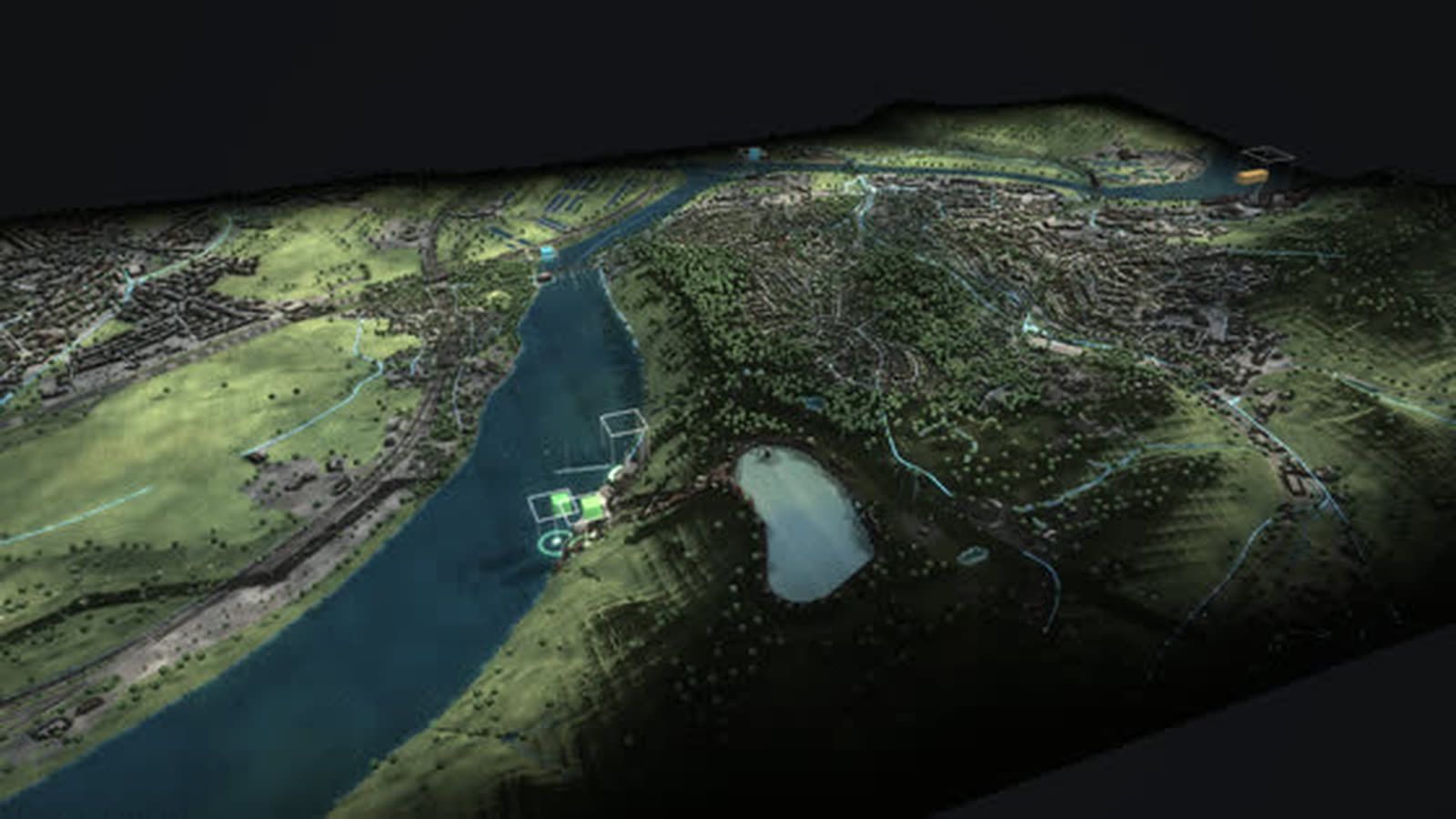
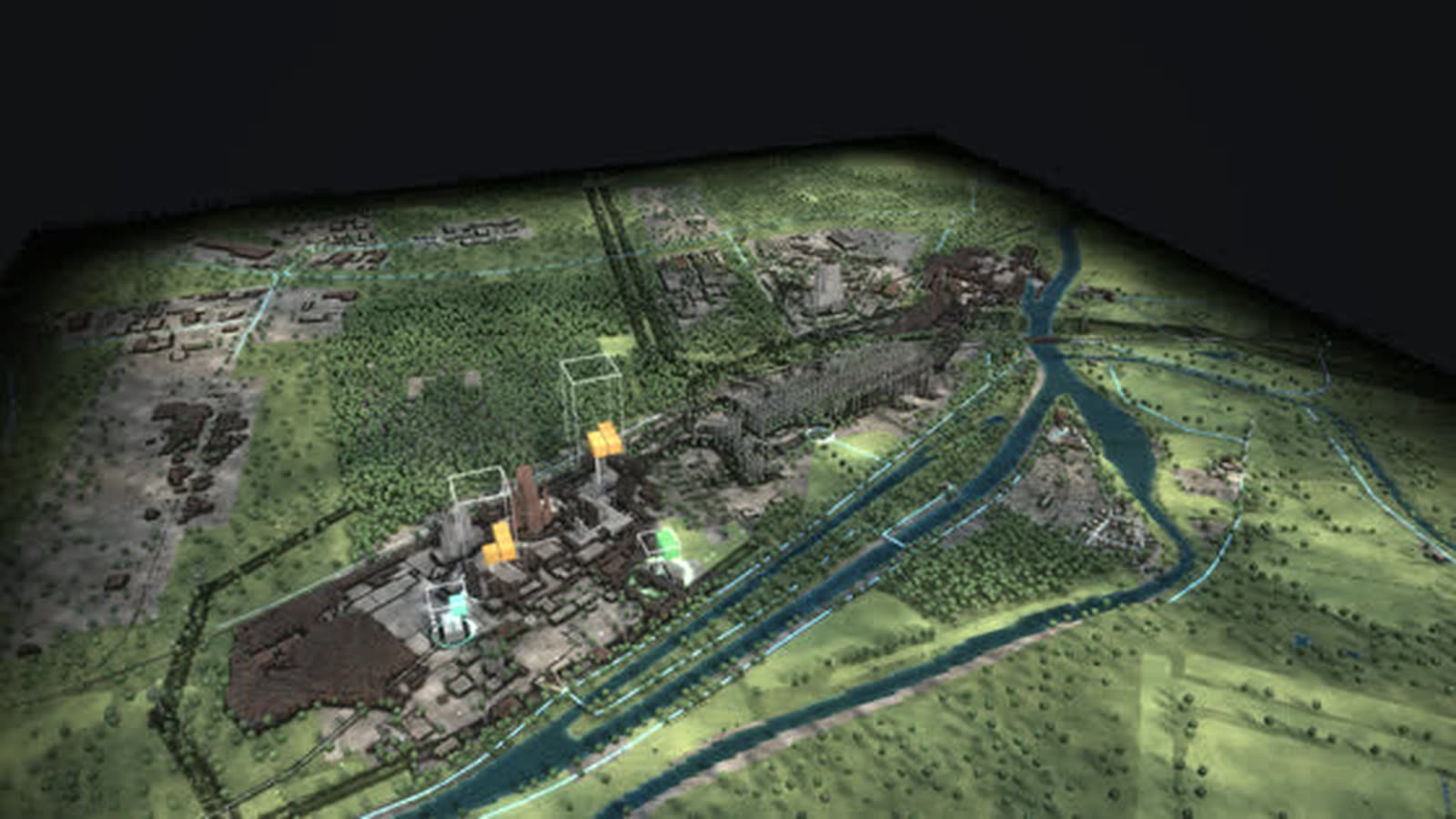
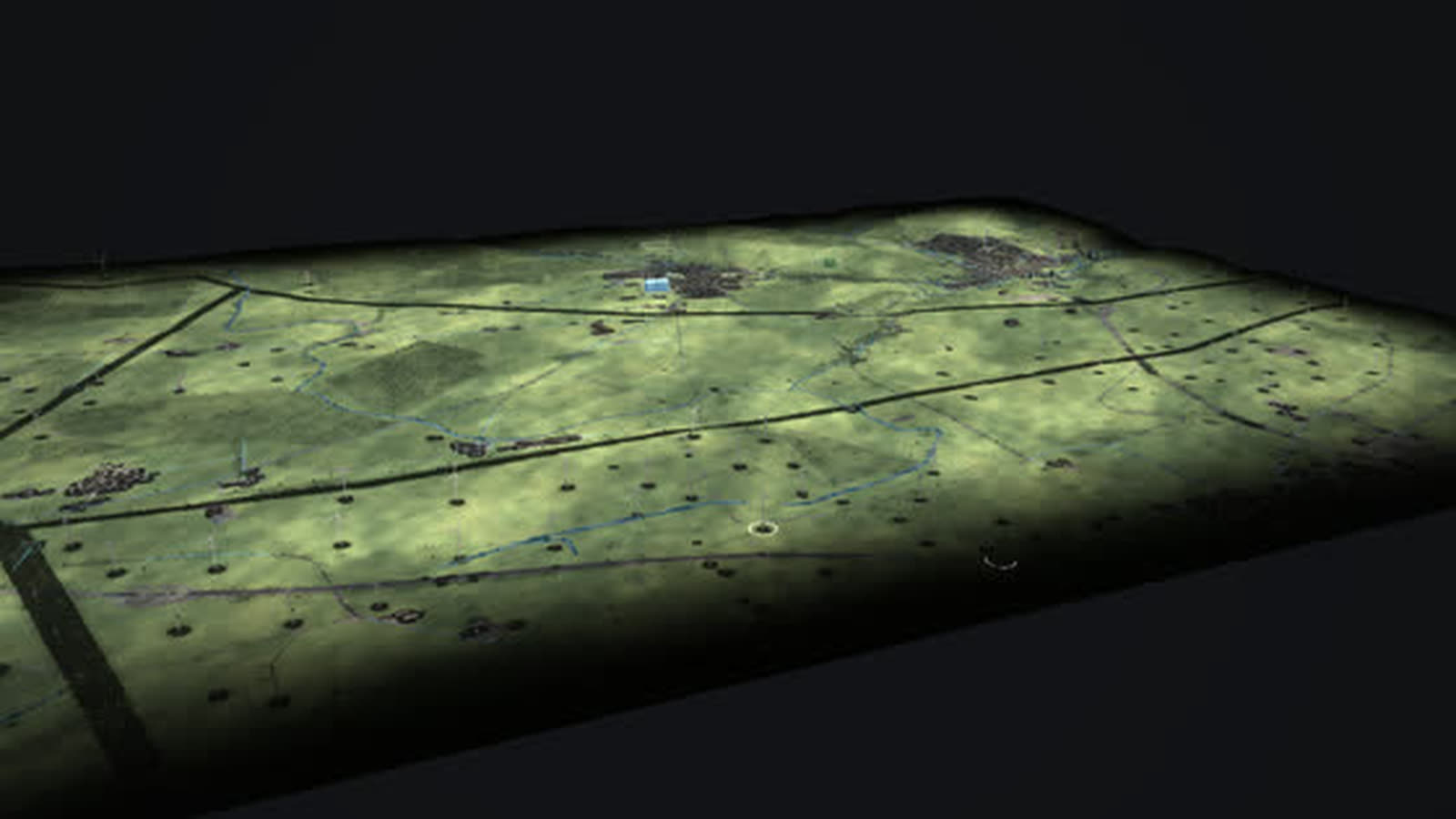
Three generations of storage at Lake Hengstey as a walkable model: the Koepchenwerk of 1930, the pumped-storage plant of 1989 and batteries since 2017 – the level in the reservoir follows sun, wind and demand.
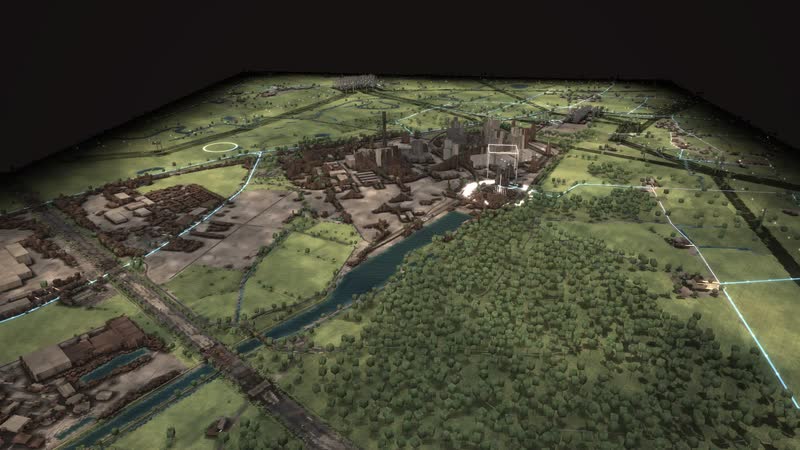
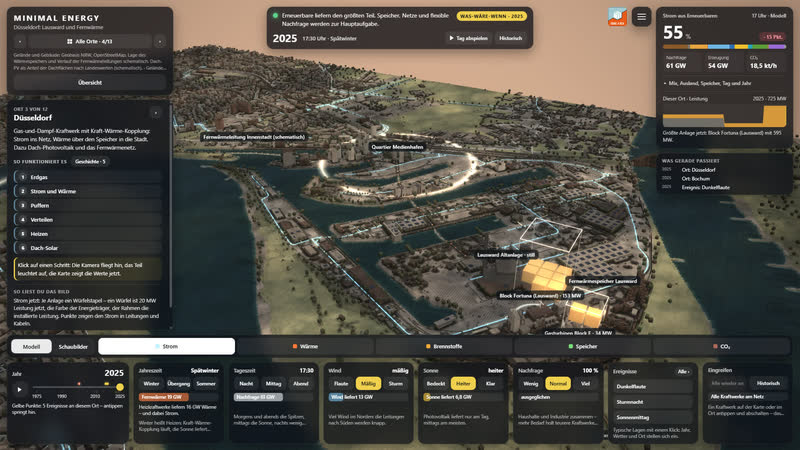
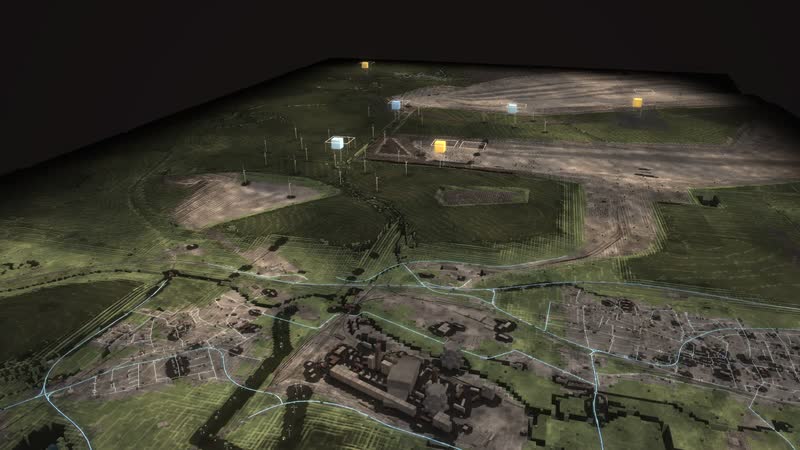
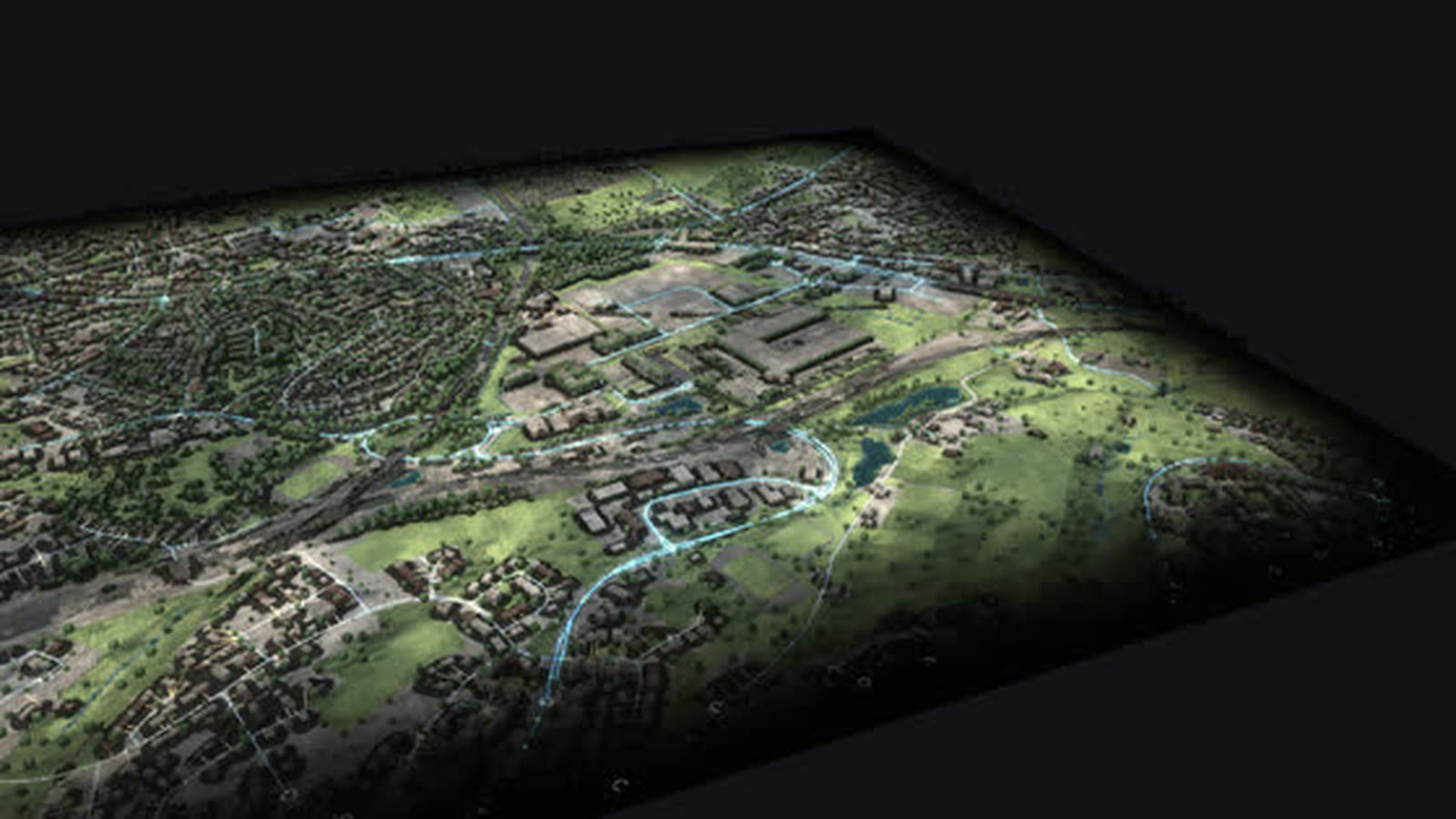
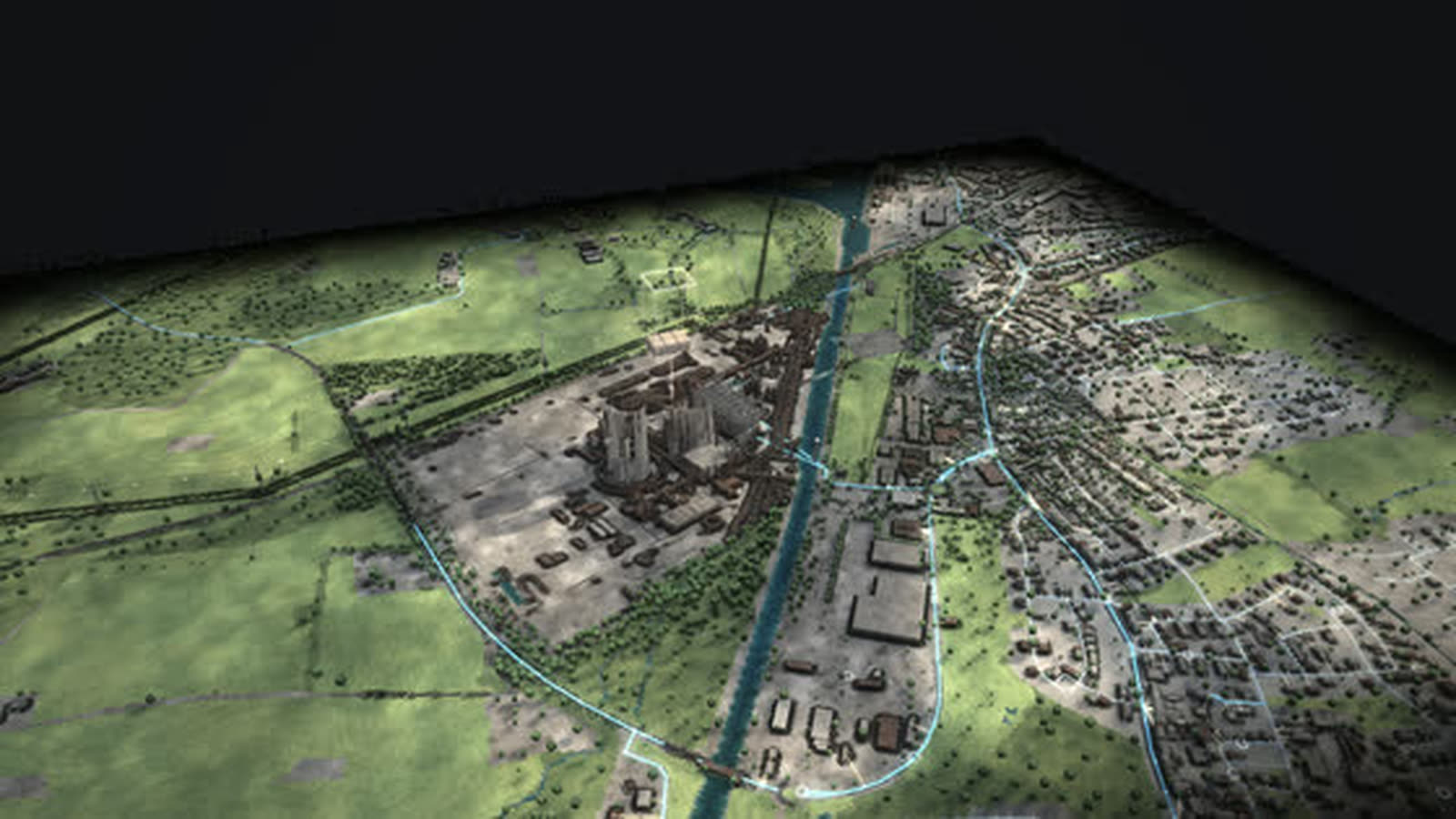
Real are terrain and buildings (Geobasis NRW, OpenStreetMap) and the three generations of storage with capacity and years. In the model the level in the upper reservoir follows the fill of pumped storage in NRW; penstocks and waterways are schematic. With your data the model shows more, such as real reservoir levels, pumping and generating hours or how the batteries are used on the grid.
How does a pumped-storage plant work? At Lake Hengstey in Herdecke three generations of storage sit side by side: the Koepchenwerk of 1930, one of Germany’s first large pumped-storage plants, the pumped-storage plant of 1989 and batteries since 2017. When power is plentiful, water is pumped into the upper reservoir on the hill; when it is needed, it flows back through the penstocks into the turbines.
The upper reservoir holds about 1.5 million m³ of working water, 145 to 166 m above the turbines. The 1989 plant has 162 MW of turbine and 154 MW of pump capacity and reaches full output in under two minutes; of 100 units stored, about 75 come back. Batteries respond within seconds and support the grid frequency – one of them, since December 2021, is made of 60 used electric-car batteries.
Add two run-of-river plants on the Ruhr and the 417 MW Cuno combined-cycle gas plant, which steps in when storage and run-of-river are not enough. The event ‘Pumped storage by day’ plays a sunny day: at noon the level rises, in the evening it falls. For everyone who plans, operates or explains storage: operators and grid planners, municipalities, chambers and associations, schools, universities and museums.
The chain of the place
- 01
Upper reservoir: The store sits on top of the hill: a basin full of water about 150 m above the Ruhr.
- 02
Pump and generate: When there is too much power, the plant pumps water up; when power is needed, it runs back through the turbine.
- 03
The first plant: The 1930 Koepchenwerk used four penstocks on the slope; it has been idle since 1994 and is a monument.
- 04
Batteries: Batteries respond within seconds; one is made of used car batteries.
- 05
Run-of-river: The run-of-river plant at Lake Hengstey delivers steadily as long as the Ruhr flows.
- 06
Gas for peaks: The Cuno gas plant steps in when storage and run-of-river are not enough.
What is shown – why – for whom
| Cosa viene mostrato | Perché | Per chi |
|---|---|---|
| Event ‘Pumped storage by day’ | Perchéshows pumping at noon and generating in the evening, with the level rising and falling | Per chiTeaching, the public |
| Diagram ‘A day on the grid’ | Perchéshows demand, generation, storage and imports over 24 hours | Per chiGrid planning, universities |
| Diagram ‘Capacity and output’ | Perchésets installed capacity against generated output by source | Per chiEnergy industry, associations |
| Diagram ‘Who supplies first’ | Perchéshows in which order the plants step in by cost | Per chiStudents, planning |
| Diagram ‘Every plant from construction to demolition’ | Perchéshows operation, standstill and dismantling of every plant, from the Koepchenwerk to the batteries | Per chiMuseums, communications |
| Storage view | Perchéshows the fill level as bars, green charges, orange discharges | Per chiOperations, teaching |
| Values at the plants | Perchéname every plant with its output now, CO₂ and state | Per chiOperators, exhibitions |
Facilities and areas in the model
-
Oberbecken
About 1.5 million m³ of working water on the hill, 145 to 166 m above the turbines. When power is plentiful, water is pumped up; when it is needed, it flows back down.
-
Koepchenwerk
One of Germany's first large pumped-storage plants: 132 MW from 1930, four machine sets and four penstocks down the slope. Damaged in 1980, listed monument in 1986, shut down on 1 August 1994.
-
Druckrohre des Koepchenwerks
Four pipes carry the water from the upper reservoir to the turbines and back when pumping. They still stand today.
-
Pumpspeicherkraftwerk Herdecke
The successor since 1989: turbine 162 MW, pump 154 MW, full output in under two minutes. Of 100 units stored, about 75 come back.
-
Wasserweg Pumpspeicherkraftwerk
Underground from the intake in the upper reservoir to the shaft. Position from OpenStreetMap, flow direction by pumping or generating.
-
Batteriespeicher Herdecke
6.25 MW since July 2017: batteries respond within seconds and support the grid frequency. Figures from OpenStreetMap.
-
Second-Life-Batterie
6.08 MW since December 2021 from 60 used electric-car batteries (about 4.5 MWh): a second life as grid storage.
-
Laufwasserkraftwerk Hengstey
3 × 1.1 MW at the Lake Hengstey weir, about 13 million kWh a year, steady with the flow of the Ruhr. Operated by the Ruhrverband since 2022.
-
Ruhr am Wehr Hengstey
Ruhr water flows through the turbines and over the weir on towards Lake Harkort. Route schematic.
-
Laufwasserkraftwerk Stiftsmühle
1.89 MW on the Ruhr since 1930 (figures from OpenStreetMap).
-
Gas-und-Dampf-Kraftwerk Herdecke (Cuno)
417 MW since autumn 2007: gas turbine 270 MW and steam turbine 147 MW. It runs when wind and sun fall short and storage is empty.
-
Cuno-Kraftwerk (Kohle)
The old hard-coal plant on the site ran from 1908 to 2004. Chimney 220 m according to OpenStreetMap; attribution to the old plant is assumed.
Processes in the model
The chain of the place
- 01Upper reservoir: The store sits on top of the hill: a basin full of water about 150 m above the Ruhr.
- 02Pump and generate: When there is too much power, the plant pumps water up; when power is needed, it runs back through the turbine.
- 03The first plant: The 1930 Koepchenwerk used four penstocks on the slope; it has been idle since 1994 and is a monument.
- 04Batteries: Batteries respond within seconds; one is made of used car batteries.
- 05Run-of-river: The run-of-river plant at Lake Hengstey delivers steadily as long as the Ruhr flows.
- 06Gas for peaks: The Cuno gas plant steps in when storage and run-of-river are not enough.
One day
- 01“Play the day”
- 02the sun moves, wind and demand change every hour
- 03the stacks above the plants grow and shrink
- 04storage charges and discharges
Fifty years
- 01▶ at the year (time travel)
- 021975
- 031992
- 042010
- 052025
- 06plants appear, run, are shut down and dismantled; the history of the place jumps to every year
How a storage site can use the model
-
Operations and planning
Pumped storage, batteries, run-of-river and a gas plant in one place: the model shows who delivers when – batteries within seconds, the pumped-storage plant in under two minutes, the gas plant when storage is empty.
Per chiOperators, grid and storage planning
-
Municipality and region
Storage at the lake, a monument on the slope, the water of the Ruhr: the picture shows the site as a whole, with terrain, routes and plants – a basis for talks about land and expansion.
Per chiMunicipalities, economic development, chambers and associations
-
Schools and universities
How much power is lost in storage? Of 100 units stored, about 75 come back. The steps of ‘How it works’ lead from the upper reservoir through pumping and generating to batteries and run-of-river.
Per chiTeachers, pupils, energy engineering students
-
Museums and monuments
The 1930 Koepchenwerk used four penstocks on the slope that still stand today; it became a listed monument in 1986 and was shut down in 1994. Time travel shows 1975, 1992, 2010 and 2025: when the coal plant goes and the batteries come.
Per chiMuseums, heritage conservation, industrial heritage
-
Public communication
What does the lake on the hill do? The event ‘Pumped storage by day’ shows how water is pumped at noon and power generated in the evening, with the fill level on the right.
Per chiPublic relations, guided tours, neighbours
What you can change
Controls
- Year 1975–2025: plants appear and disappear, mix and grid change; ▶ lets the years run.
- Season: snow, foliage, meadows, chimney smoke; more heat and power demand in winter, more sun in summer.
- Time of day: sun position, dusk, night with windows and street lights; demand follows the daily profile.
- Wind: rotors turn faster, sea state, smoke plumes lie flat; wind power rises, curtailment in a storm.
- Sun: clouds and soft shadows; photovoltaics deliver more or less.
- Demand (households, industry): more lit windows, plant lighting, chimney smoke; more expensive plants step in.
- Views: power, heat, fuels, storage, CO₂ – each with its own columns, stacks and values.
Events
- Pumped storage by day: Sunny day in Herdecke, the day plays: at noon the plant pumps water into the upper basin, in the evening it flows back through the turbines. Look for: the level in the basin rises and falls, the fill level on the right.
- Winter evening without wind or sun (tiles): Season winter, evening, calm, overcast: demand peaks, the stacks above wind and solar shrink, fossil plants, storage and imports carry the load.
- Stormy night (tiles): Night, gale, low demand: wind delivers more than is needed, storage charges, surplus is curtailed or exported.
What the model gives a storage site
-
01
Storage you can see
Upper reservoir, penstocks, waterway and turbines in 3D: play the day and the level in the reservoir rises and falls with sun, wind and demand.
-
02
Three generations side by side
1930, 1989, 2017 and 2021: Koepchenwerk, pumped-storage plant, battery storage and second-life battery stand at the same lake – the history of technology in one picture.
-
03
Play through situations
Winter evening without wind or sun, stormy night with surplus, sunny day: the tiles set each situation, and the stacks show what delivers and what charges.
-
04
Diagrams calculated live
‘A day on the grid’, ‘Who supplies first’, ‘Capacity and output’ and the diagrams of the place update while the day runs.
-
05
In the browser and on the big screen
A browser is enough, and large projections work too. Eleven more places and the map of Germany are part of the same model, designed by an artist and developer.
Your storage site as a model
Would you like to show your pumped-storage plant, your batteries or your whole site this way, with real levels and schedules? Write to us or give us a call, and we will discuss which data the model needs. We will send you the password to the simulation on request.
cube4tec.de/spiele/minimal-energy/
Chiedere informazioni
Minimal Energy: Herdecke
Basis and limits
Real are terrain and buildings (Geobasis NRW, OpenStreetMap) and the three generations of storage with capacity and years. In the model the level in the upper reservoir follows the fill of pumped storage in NRW; penstocks and waterways are schematic.
Public sources the model is based on:
- Geobasis NRW (dl-de/zero-2.0)
- OpenStreetMap-Mitwirkende (ODbL)
- OPSD; Wikipedia: Liste stillgelegter Kraftwerke (sekundär)
- Wikipedia: Liste von Pumpspeicherkraftwerken (sekundaer)
More places in the model
-
Hamm-Uentrop
Five decades of energy on the Lippe and the canal as a walkable model: the THTR-300 thorium reactor, the Westfalen hard-coal plant, a gas plant, a large battery – and soon direct current from Wilhelmshaven.
-
Düsseldorf Lausward
A combined-cycle gas plant on the Rhine as a walkable model: power to the grid, heat via a 58 m storage tank and the district heating line into the media harbour and the city centre.
-
Rhineland lignite district
The Rhineland lignite district as a walkable model: from the Garzweiler mine via conveyors, boilers and cooling towers into the 380 kV grid – while wind, sun and batteries grow on the reclaimed land.
-
Lingen
The whole nuclear era in one place as a walkable model: the Lingen nuclear plant of 1968, the Emsland nuclear plant until April 2023, interim storage and dismantling – next to them gas, a battery and hydrogen.
-
Bochum · MARK 51°7
A former car plant above the Dannenbaum colliery as a walkable model: the new MARK 51°7 district is to draw heating and cooling from the water of the old mine, from 820 and 340 m down.
-
Germany 1975–2025
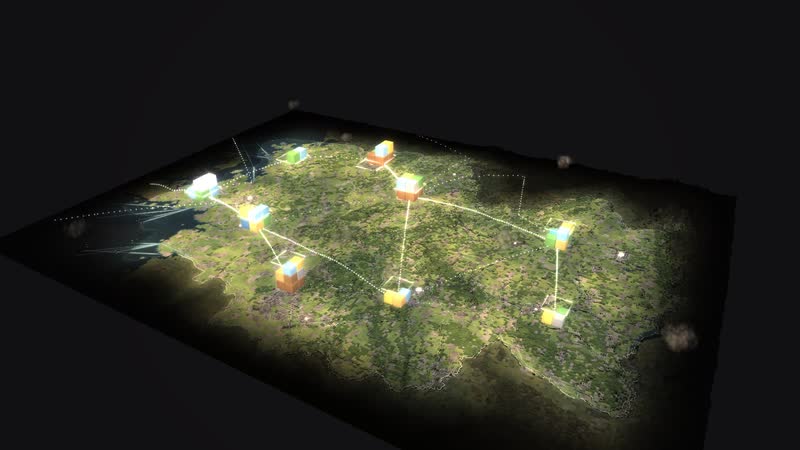
Fifty years of energy supply on one map: 365 sites, ten grid regions and the power of every hour – from two separate grids in 1975 to wind and sun in 2025.
-
Datteln 4
Germany’s newest hard-coal plant as a walkable model: coal by ship on the Dortmund-Ems Canal, power for the grid and the railway, district heat as far as Recklinghausen.
-
Paderborn plateau
One of the densest wind landscapes in North Rhine-Westphalia as a walkable model: every turbine with its year, from the 500 kW turbine of 1995 to the 6.2 MW turbine with a 169 m hub.
Real are terrain and buildings (Geobasis NRW, OpenStreetMap) and the three generations of storage with capacity and years. In the model the level in the upper reservoir follows the fill of pumped storage in NRW; penstocks and waterways are schematic. With your data the model shows more, such as rea…