
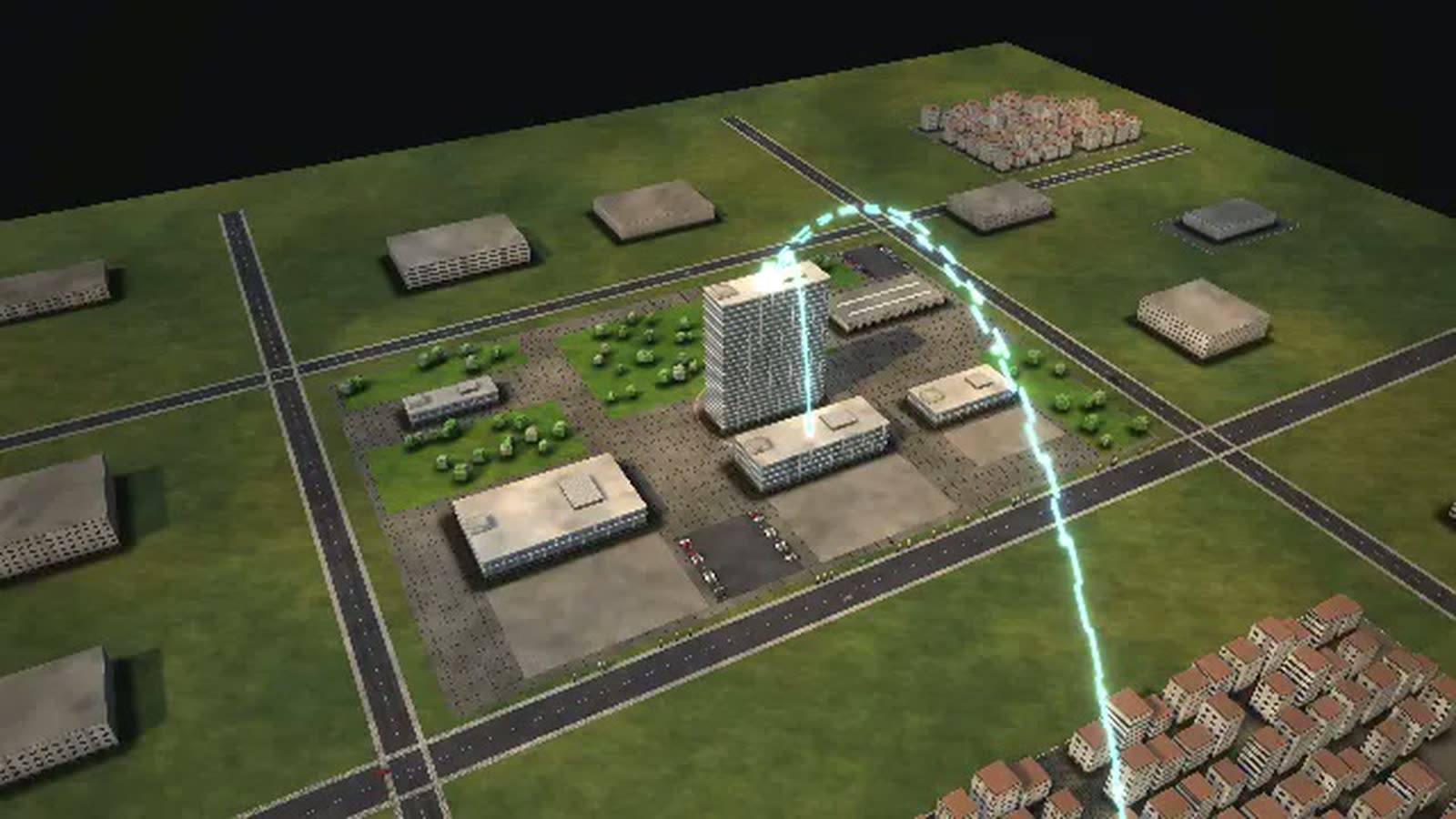
Simulación · Minimal Organization · Mid-sized firms and services
Hotel
A city and conference hotel as a walkable model: how a room gets from check-out at 11 to check-in at 3 pm and where cleaning, inspection or front desk run out of time.
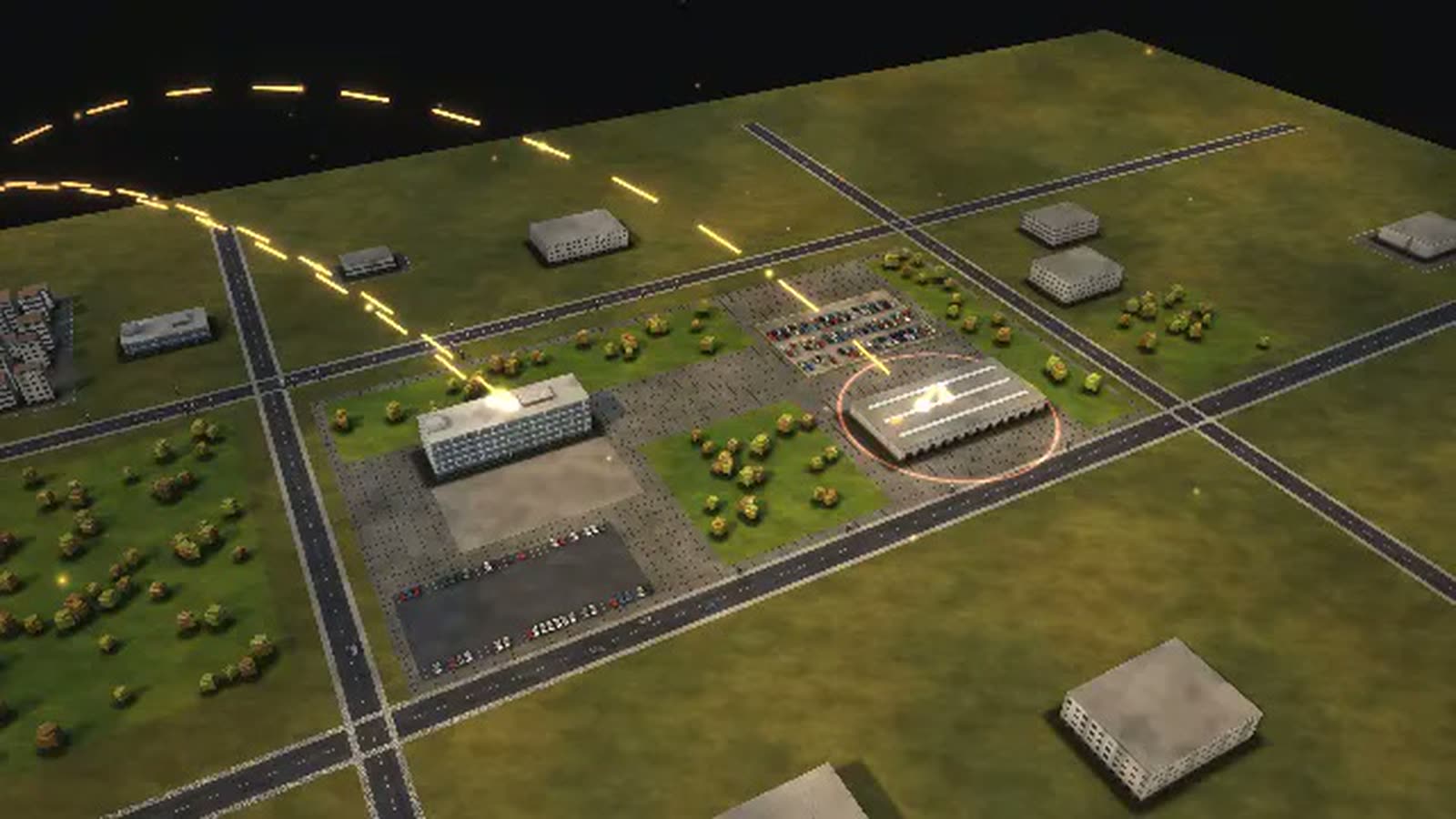
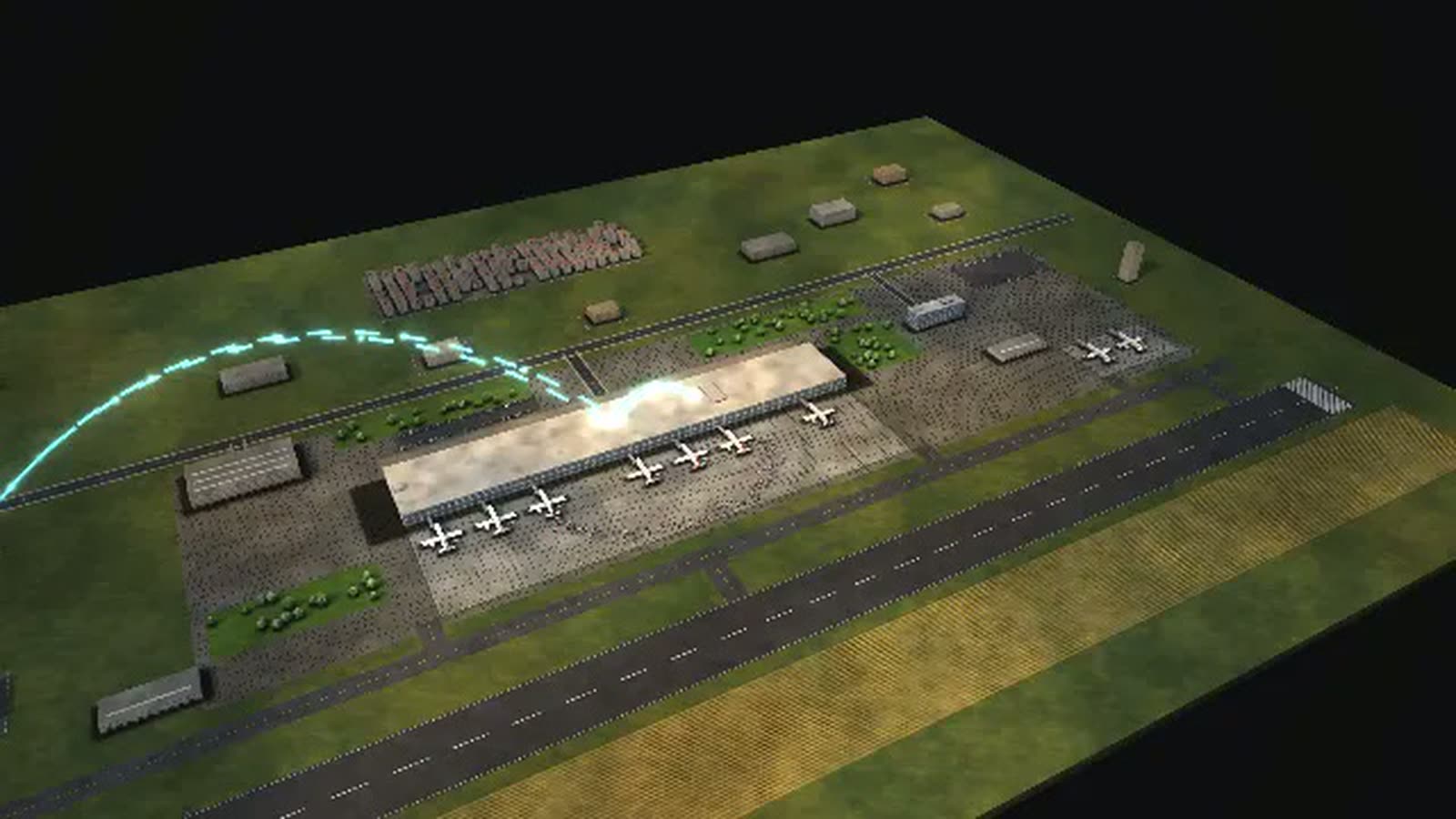
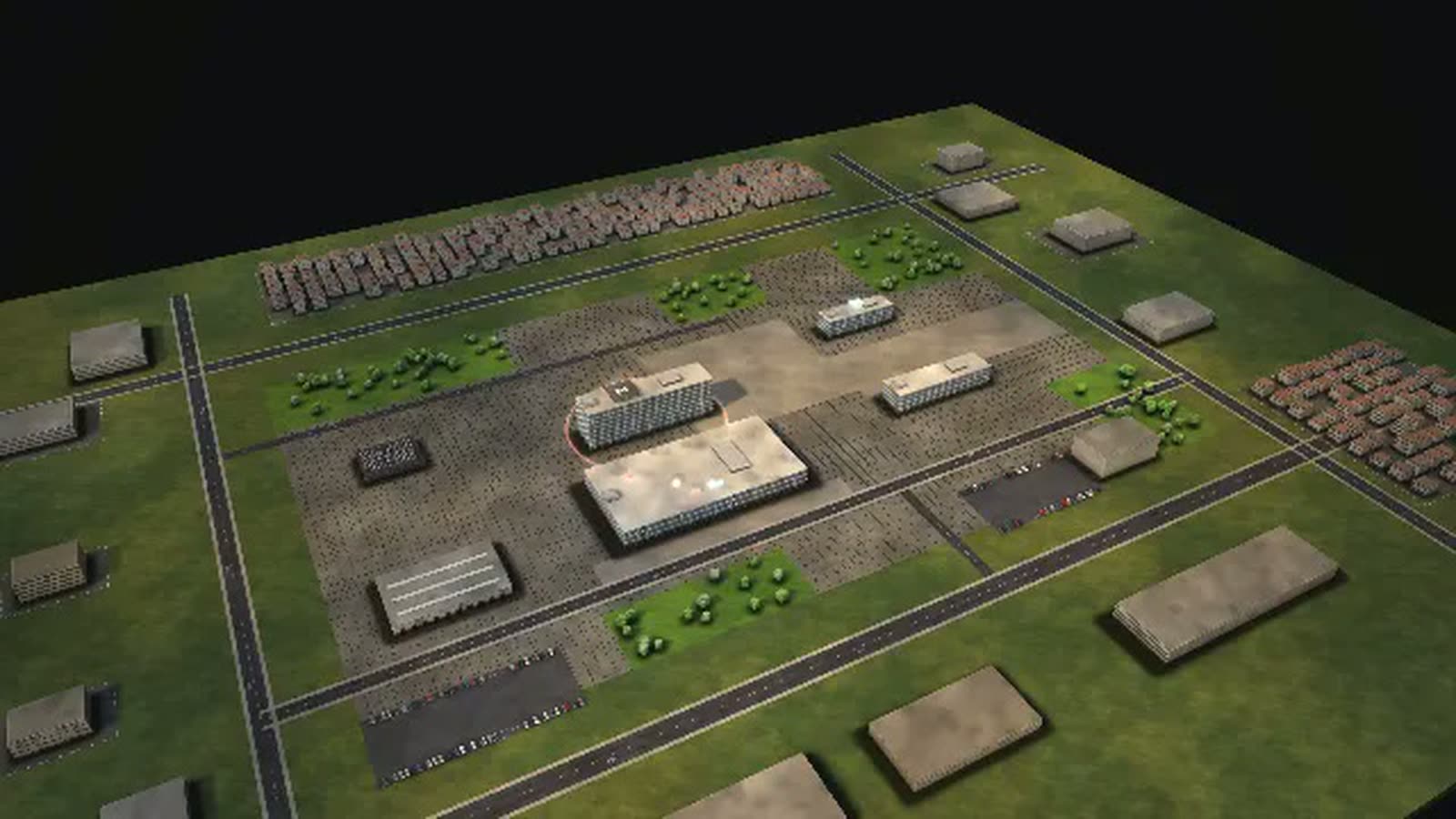
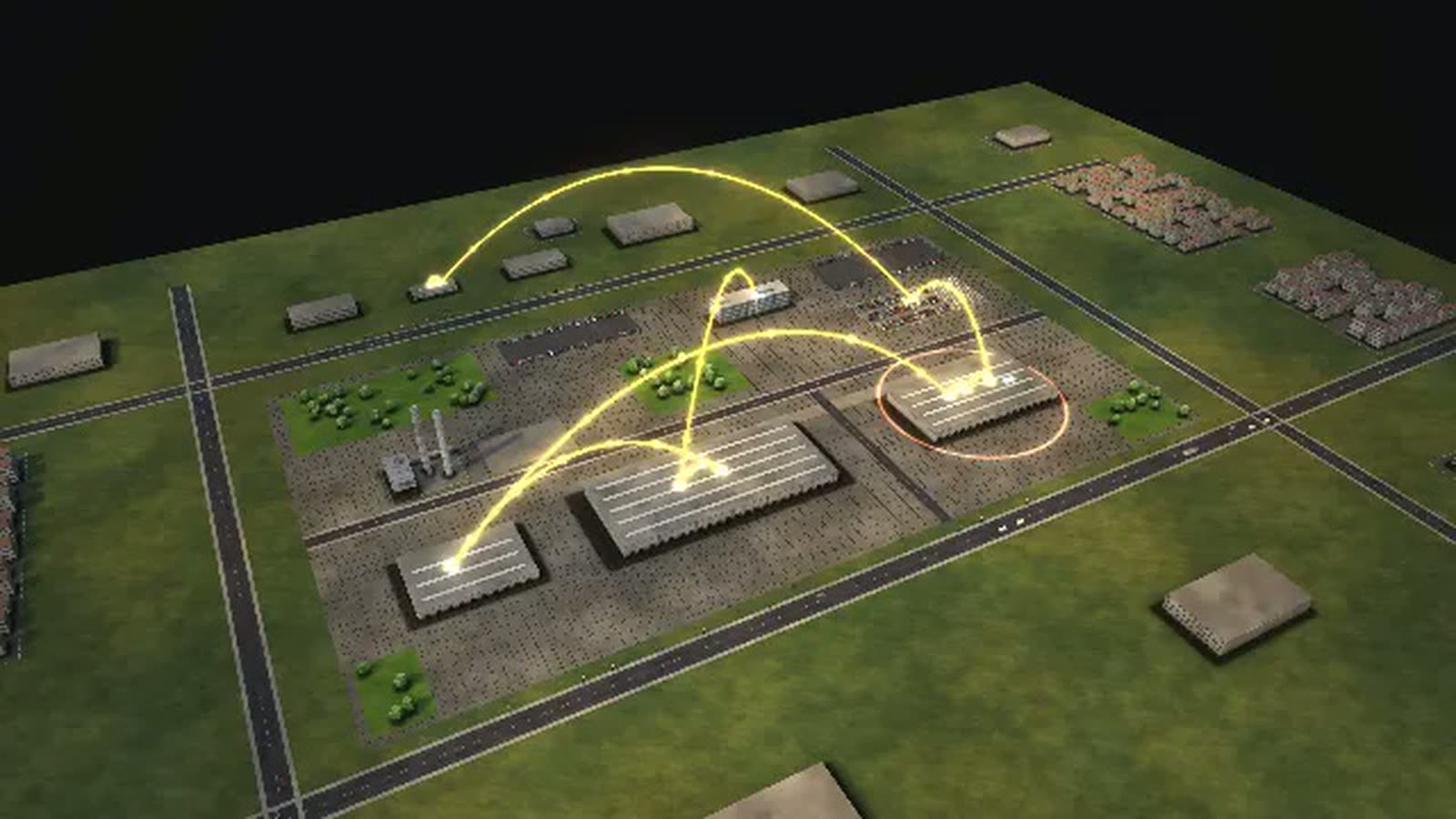
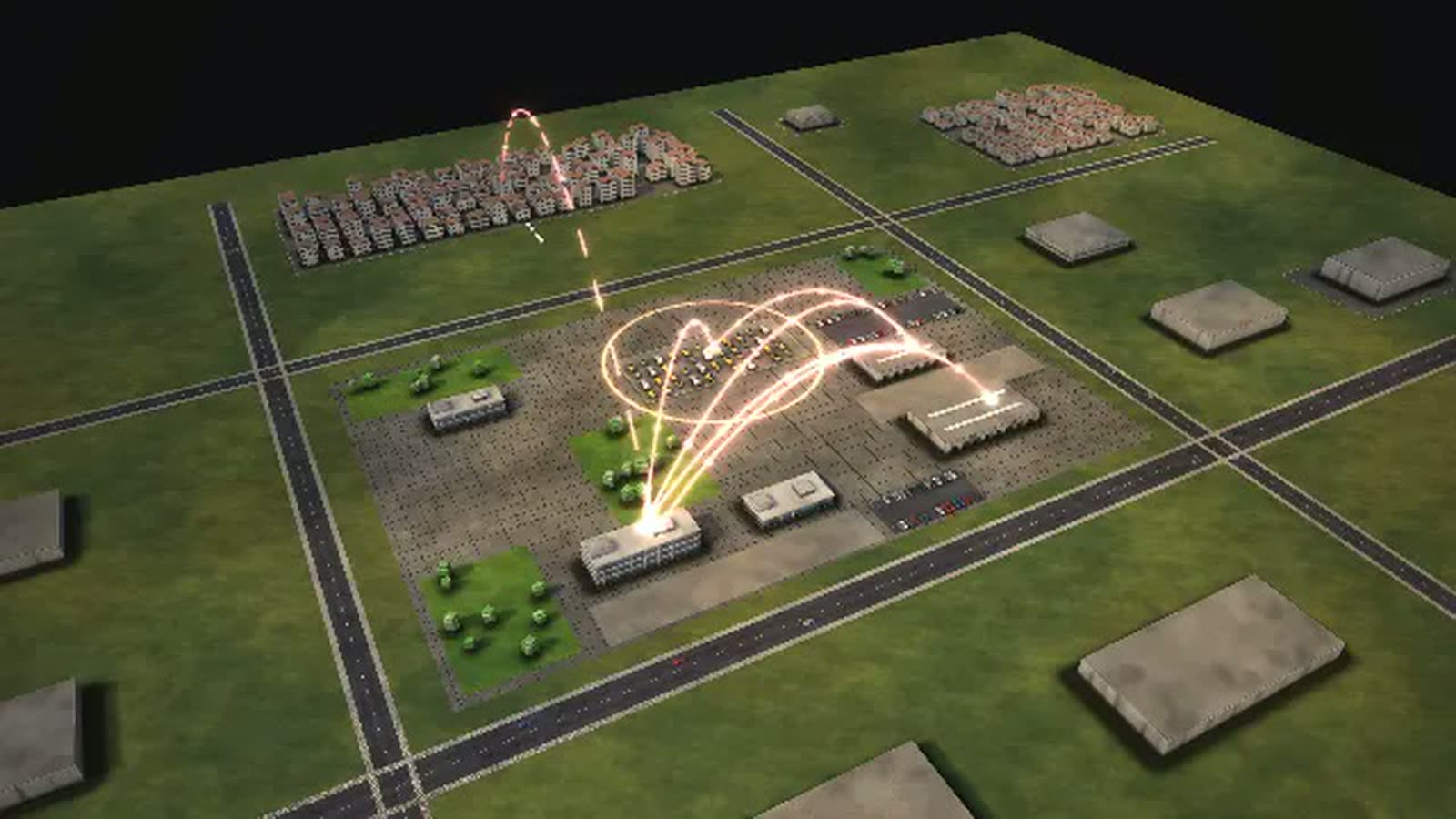
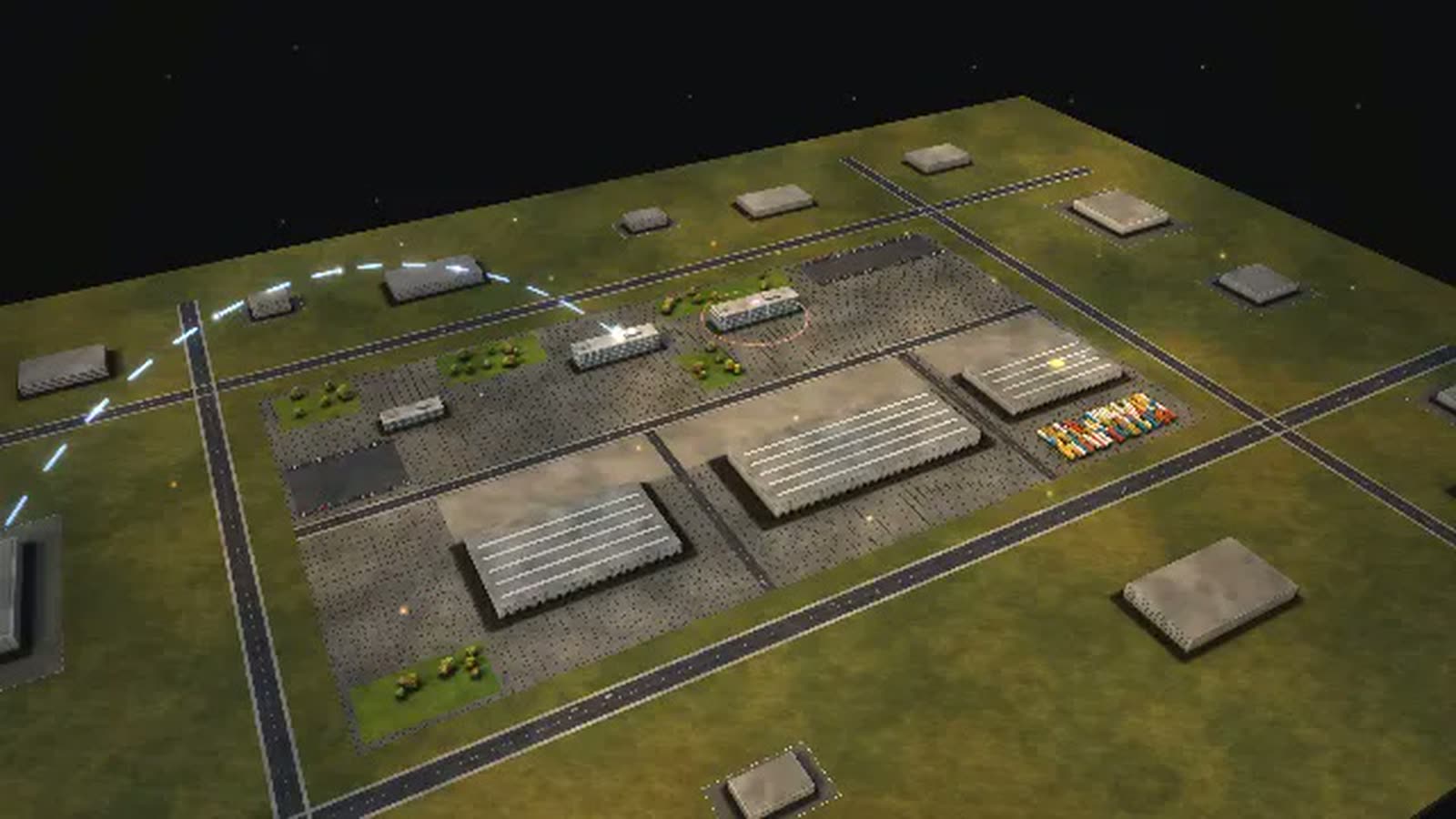
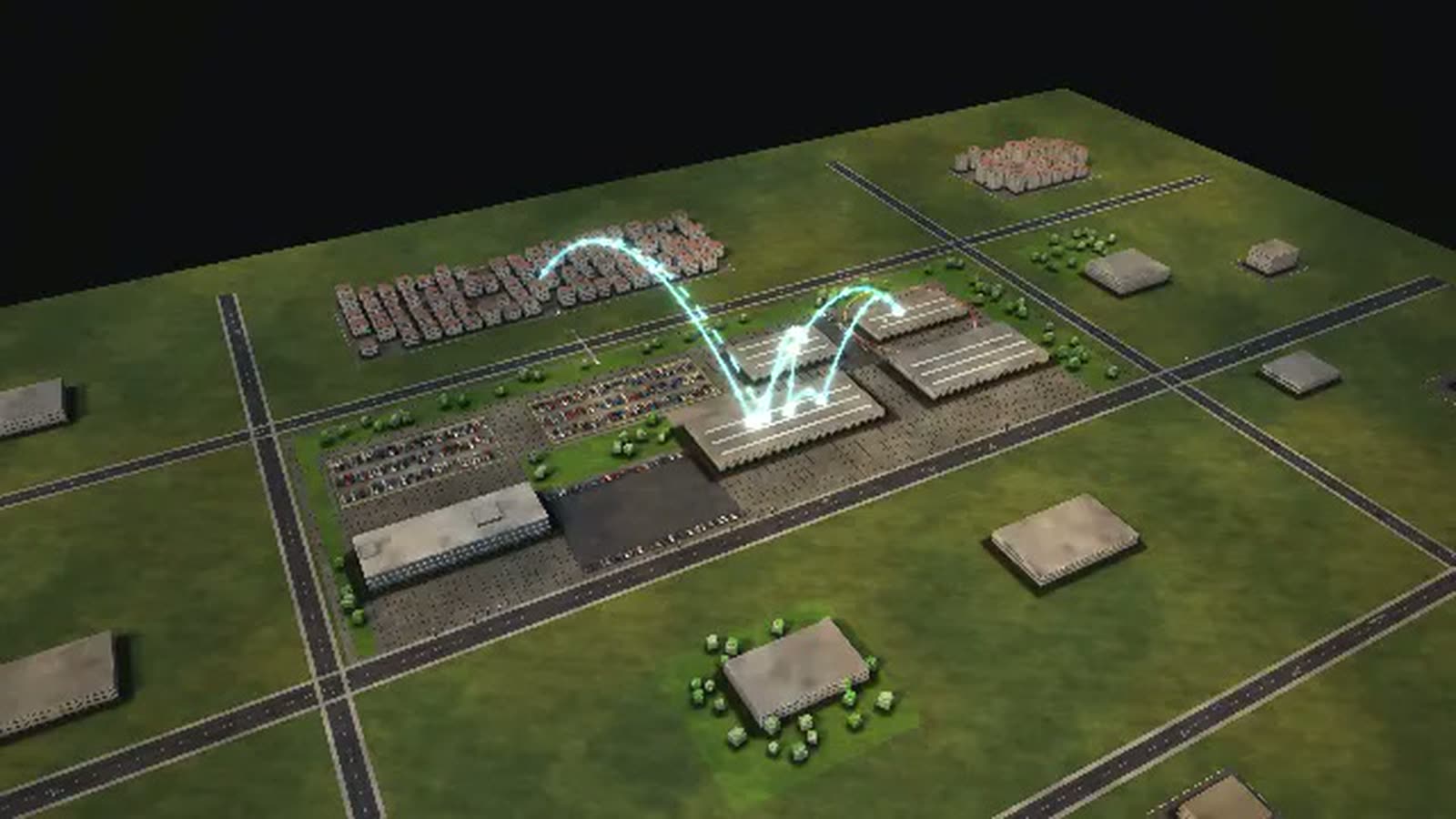
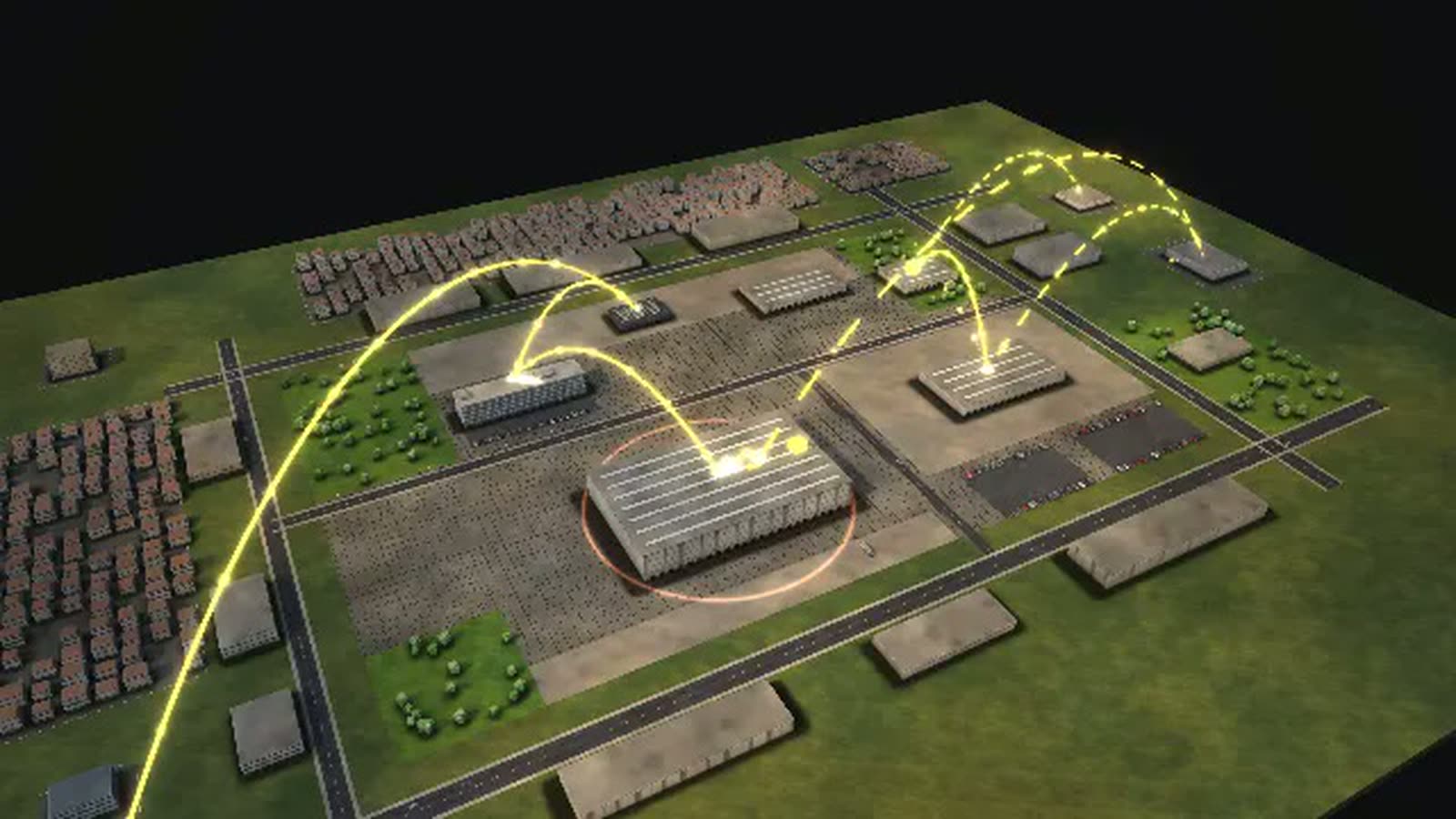
All data are fictional, including room count and occupancy. Adapted to your hotel's real data, the model shows what is nowhere visible in one place today – for example the actual room status from your hotel software, or arrivals and departures per hour.
This hotel housekeeping process plays out in the fictional HOTEL ORVELIA, a city and conference hotel with a room tower, as a race between departure and arrival. Between 11 am and 3 pm every room must be cleaned and inspected – while a congress meets in the hall and the kitchen prepares the banquet.
The main process follows one room: the previous guest checks out by 11, a room attendant cleans, the housekeeping supervisor inspects against a checklist and, if something is broken, maintenance comes in. Then the supervisor releases the room in the system and the new guest can check in. Model target: ready within two hours of departure. 420 rooms at about 70 per cent average occupancy are model assumptions.
A meeting with banquet, orders in the restaurant and to the rooms, and fault reports run at the same time, across six buildings and 18 departments. The page speaks to general managers and owners, rooms division and housekeeping managers, front office, banqueting, HR and training.
A guest arrives – the room must be ready first
- 01
Front desk: check-out and check-in: The previous guest leaves: bill, key card, minibar – check-out by 11 am.
- 02
Clean departure room: A room attendant cleans the departure room: fresh beds, bathroom, dusting, restocking.
- 03
Supervisor inspects the room: The supervisor checks every departure room against a checklist.
- 04
Technician in the room: Maintenance repairs before the room is sold.
- 05
Release room in the system: The supervisor marks the room as ready in the system.
- 06
The new guest arrives: The new guest arrives by train, taxi or car – most in the afternoon.
- 07
Again: Front desk: check-out and check-in: Check-in: find the booking, code the key card, registration form for foreign guests.
- 08
Rooms occupied: The guest stays in the room, on average just under two nights.
- 09
The guest is in the room.
How a hotel can use the model
-
Internal communication
Main building, 23-storey room tower, restaurant, congress centre, service building and staff house in a single view. The collaboration view shows how front desk, floors, maintenance and kitchen connect.
Para quiénGeneral manager, heads of department, morning briefing
-
Onboarding
New room attendants and front desk staff see a room's path from departure to the next guest – and why the release in the system matters.
Para quiénNew staff in housekeeping and front office
-
Training
Hotel and kitchen apprentices abolish room inspections or let a whole congress check out at once and see where things get tight first.
Para quiénTraining, hotel and kitchen apprentices
-
Explaining to guests and event clients
Why is the room only ready at 3 pm? The model shows guests and meeting clients what happens between departure and arrival, and how a meeting runs from offer to banquet.
Para quiénFront desk, sales and events, guests
-
Strategic overview
Room attendants, stay-over rooms, inspections, front desk counters: the model shows which lever readies rooms sooner and at what cost – without inspections, for instance, more fault reports.
Para quiénGeneral manager, property owner
What is shown – why – for whom
| Qué se muestra | Por qué | Para quién |
|---|---|---|
| ‘Year, week, day’ diagram: departure at 11, arrival at 3 pm | Por quéShows the cleaning window. | Para quiénGeneral manager, housekeeping supervisor |
| ‘Where it gets tight’ diagram: cleaning, inspection, front desk | Por quéShows the limit during a trade fair. | Para quiénGeneral manager, reception |
| ‘What each control does’ diagram: room attendants, stay-over rooms, inspection, front desk | Por quéRanks levers for rooms ready on time. | Para quiénGeneral manager, owner |
| ‘Where people work’ diagram | Por quéShows floors, kitchen and conference areas. | Para quiénWorkforce planning, training |
| ‘How a case flows’ diagram: cleaning, inspection, maintenance, release | Por quéShows the path of a room. | Para quiénHousekeeping, onboarding |
| Process ‘A meeting with banquet is sold and held’ | Por quéShows the way from sale to banquet. | Para quiénBanquet sales, kitchen |
| Room tower with 23 floors, opened up | Por quéShows where the attendants are working right now. | Para quiénHousekeeping supervisor |
Departments in the model
-
General manager
Runs the hotel, answers to the owner for revenue, guests and staff.
-
Rooms division
Leads everything around the room: front desk, reservations, housekeeping.
-
Front office: desk, concierge, night audit
Check-in and check-out around the clock, guest requests, the daily closing of all accounts at night.
-
Reservations and revenue management
Sells rooms through all channels and sets prices daily according to demand.
-
Housekeeping management (supervisors)
Assigns rooms, inspects every departure room and releases it.
-
Room attendants
Cleans departure and stay-over rooms – under time pressure between 11 am and 3 pm.
-
Food & beverage management
Leads kitchen, restaurant, banqueting and room service.
-
Kitchen
Breakfast, restaurant, room service and banquets from one brigade.
-
Restaurant and bar
Serves hotel guests and outside guests.
-
Room service
Brings food and drinks to the rooms, at night too.
-
Banqueting (set-up and service)
Re-arranges halls, sets tables, serves congresses and galas.
-
Sales and events
Wins corporate clients, writes offers, plans every event with a function sheet.
-
Maintenance
Repairs rooms, kitchen and halls, looks after energy, lifts and fire alarm system.
-
Purchasing and stores
Orders food, drinks, spare parts and manages the rental linen.
-
HR and training
Rosters, temps, training of hotel and kitchen apprentices.
-
Finance and controlling
Invoices, receivables, monthly report to the owner.
-
IT and systems
Keeps hotel software, tills, key cards and Wi-Fi running.
-
Quality and hygiene (HACCP)
Independently checks hygiene, guest reviews and complaints – reports directly to the general manager.
All processes in the model
A guest arrives – the room must be ready first
- 01Front desk: check-out and check-in: The previous guest leaves: bill, key card, minibar – check-out by 11 am.
- 02Clean departure room: A room attendant cleans the departure room: fresh beds, bathroom, dusting, restocking.
- 03Supervisor inspects the room: The supervisor checks every departure room against a checklist.
- 04Technician in the room: Maintenance repairs before the room is sold.
- 05Release room in the system: The supervisor marks the room as ready in the system.
- 06The new guest arrives: The new guest arrives by train, taxi or car – most in the afternoon.
- 07Again: Front desk: check-out and check-in: Check-in: find the booking, code the key card, registration form for foreign guests.
- 08Rooms occupied: The guest stays in the room, on average just under two nights.
- 09The guest is in the room.
A meeting with banquet is sold and held
- 01Company sends an enquiry: A company enquires: 120 people, two days, dinner, 60 rooms.
- 02Offer with room and room block: The events office checks halls and room block and writes an offer.
- 03Client considers the option: Hall and rooms are held for a few days (option).
- 04The client declines.
- 05Contract and deposit: Contract, cancellation terms and deposit.
- 06Until the date: attendees and room pick-up: Weeks until the date: attendee list, menu, room pick-up.
- 07Function sheet to all departments: A function sheet goes to kitchen, banqueting, technology and front desk.
- 08Hall, kitchen and technology prepare in parallel.
- 09Set up and clear the hall: Banqueting sets up tables, stage and chairs per plan.
- 10Supplier delivers the goods: Suppliers bring meat, vegetables and drinks for the banquet.
- 11Goods in: check temperature and quantity: Goods in: measure temperature, check quantity, into the cold store.
- 12Banqueting kitchen cooks: The banqueting kitchen prepares coffee breaks, lunch and the dinner menu.
- 13Set up event technology: Projectors, microphones, lighting and streaming are set up.
- 14Everything is ready.
- 15The event is on: The meeting is on: talks, coffee breaks, the banquet in the ballroom in the evening.
- 16Again: Set up and clear the hall: Clearing – the hall is re-arranged for the next event.
- 17Invoice per banquet event order: Invoice per banquet event order: hall hire, packages, drinks by consumption; the deposit is offset.
- 18Event invoiced.
A guest orders in the restaurant or to the room
- 01Order in the till system: The order lands in the till system – from a restaurant table or the room phone.
- 02Kitchen: à la carte: The kitchen cooks à la carte.
- 03Waiter brings the food to the table: The waiter brings the food to the table.
- 04Again: Order in the till system: The guest pays or charges it to the room.
- 05Again: Kitchen: à la carte: The same kitchen cooks for room service.
- 06Room service waiter brings the tray: The room service waiter takes the tray up by lift.
- 07Post to the room bill: The amount goes on the room bill.
- 08Eaten.
- 09Delivered to the room.
A guest reports a fault in the room
- 01Guest service takes the report: The guest calls: the air conditioning hums, the shower stays cold, the TV does not work.
- 02Front desk: check-out and check-in: The front desk gives the guest another room.
- 03Ticket to maintenance: A ticket in the maintenance system; maintenance gets it on the phone.
- 04Technician in the room: A technician comes to the room – the target is measured here.
- 05Specialist contractor comes: A contractor comes, e.g. for cooling or the lift.
- 06Order spare part: Purchasing orders the spare part.
- 07Supplier delivers the goods: The supplier brings the part.
- 08Goods in: check temperature and quantity: The part comes over the loading bay.
- 09Again: Technician in the room: Maintenance fits the part.
- 10Supervisor inspects the room: The supervisor checks and releases the room again.
- 11Quality evaluates the complaint: Quality evaluates the complaint and decides on a credit.
- 12Fixed.
What you can change
Controls
- Occupancy: How many guests leave and arrive each day. During a trade fair the hotel is full: more departures and at the same time more stay-over rooms costing the attendants time (model assumption).
- Room attendants per shift: How many rooms are cleaned at the same time.
- Clean stay-over rooms only on request: Guests staying longer have their room cleaned only on request – attendants have more time for departure rooms (model assumption: 15 % faster).
- Room inspection by the supervisor: Without inspection the room is free sooner – but the guest then finds defects and faults (model assumption: 25 % more fault reports).
- Front desk counters: How many guests can check in and out at the same time – otherwise the lobby fills up.
Disruptions
- Hotel software fails: Three hours without the system: no check-in, no check-out, no room status – the lobby fills up.
- Sickness wave among room attendants: For two days a quarter of the room attendants are missing.
- Laundry delivers late: For one day fresh linen is missing in the morning: every room takes longer.
- Congress checks out at once: A day with 50 % more departures: front desk and floors can hardly keep up.
The benefit for a hotel
-
01
Open up the room tower
23 floors drift apart, and you see where the attendants are cleaning right now and which rooms are still waiting.
-
02
The time window made visible
The event simulation runs room turnovers, meetings, orders and faults at the same time. Between 11 and 3 it shows where rooms wait and guests stand in the lobby.
-
03
Weigh speed against inspection
Five controls and four disruptions, from a trade fair in town to late laundry. Where things snag, a tip names the right control.
-
04
Diagrams for the general manager
14 diagrams in four groups are calculated live, including ‘Where people work’ for floors, kitchen and conference areas.
-
05
For lobby, training and owners
In the browser or projected large in your own conference room. On the first visit, a guided tour in eight steps shows how to begin.
-
06
With its own signature
Designed by an artist and developer. An airport, a hospital, a housing company and 32 more organisations share the same overview.
Basis and limits
Fictional hotel · model based on researched industry structures · no statement about real hotels or hotel chains
1 case = 1 room turnover, 1 meeting, 1 order or 1 fault · 1 figure ≈ 4 employees
All volumes, durations, rates and capacities are model assumptions, not values of a real hotel.
420 rooms, on average about 70 % occupied, about 155 departures a day, mean stay 1.9 nights; cleaning a departure room takes 25 to 60 minutes (trade articles give 25 to 45 minutes).
Stay-over rooms are included in the attendants' capacity; the target of 2 hours after departure is a simplification of "ready for check-in at 3 pm".
Documented: registration form only for foreign guests (since 2025), HACCP in the kitchen, option and contract for events.
Public sources the model is based on:
- Destatis: Gastgewerbe und Tourismus (Beherbergungsstatistik)
- DEHOGA Bundesverband: Zahlen und Fakten
- Bundesmeldegesetz §§ 29, 30 (Meldeschein); Viertes Bürokratieentlastungsgesetz
- Verordnung (EG) Nr. 852/2004 über Lebensmittelhygiene
- Function Sheet und Bankettablauf (Fachbeitrag)
- Hotelverband Deutschland (IHA)
- Housekeeping-Richtwerte (Fachbeitrag)
Your hotel as a model
Would you like to see your hotel with its own rooms, floors and routines? Write to us or call. We will discuss which data from your hotel software are useful. The password that lets you explore the simulation yourself is available on request.
cube4tec.de/spiele/minimal-organization/
Preguntar sobre esto
Minimal Organization: Hotel
Similar business models
-
Housing company
A municipal housing company as a walkable model: what happens after a tenant reports a cold radiator, who repairs it and what speeds up the fix.
-
Airport
An airport as a walkable model: passengers from check-in through security to the gate, plus baggage, turnaround and winter operations.
-
University hospital
A university hospital as a walkable model: see where an emergency patient's time goes and why the strongest lever sits on the wards.
-
Industrial bakery
An industrial bakery with 120 shops as a walkable model: how rolls get from the night plan to the counter by 6 am and where oven, proofer or routes hold them up.
-
Heating, plumbing and electrical contractor
A heating, plumbing and electrical contractor as a walkable model: what happens after a breakdown call, why the right part in the van matters and when the emergency service hits its limit.
-
Special machine builder
A family-owned special machine builder as a walkable model: how a custom packaging line moves from enquiry to site acceptance and where the 28 weeks go.
-
Car dealership
A franchised car dealership with workshop as a walkable model: how a car gets from reception to handover in one day and where lifts, parts or inspections slow it down.
-
Online retail
An order from click to doorstep as a walkable model: payment check, warehouse, packing, trucks, sortation and delivery in a running simulation.
All data are fictional, including room count and occupancy. Adapted to your hotel's real data, the model shows what is nowhere visible in one place today – for example the actual room status from your hotel software, or arrivals and departures per hour.