
Simulazione · Minimal Organization · City, health, knowledge, construction
Construction group
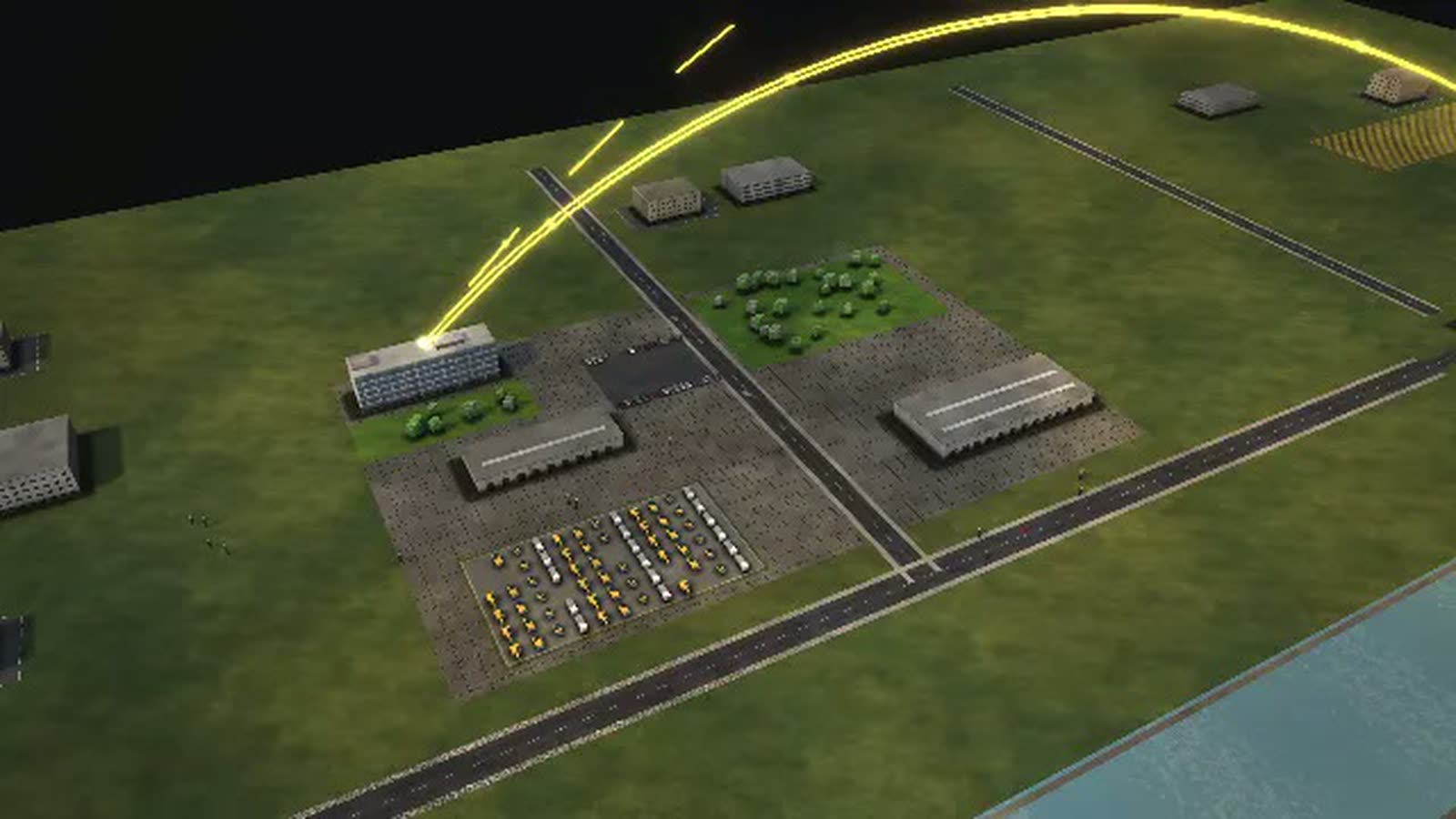
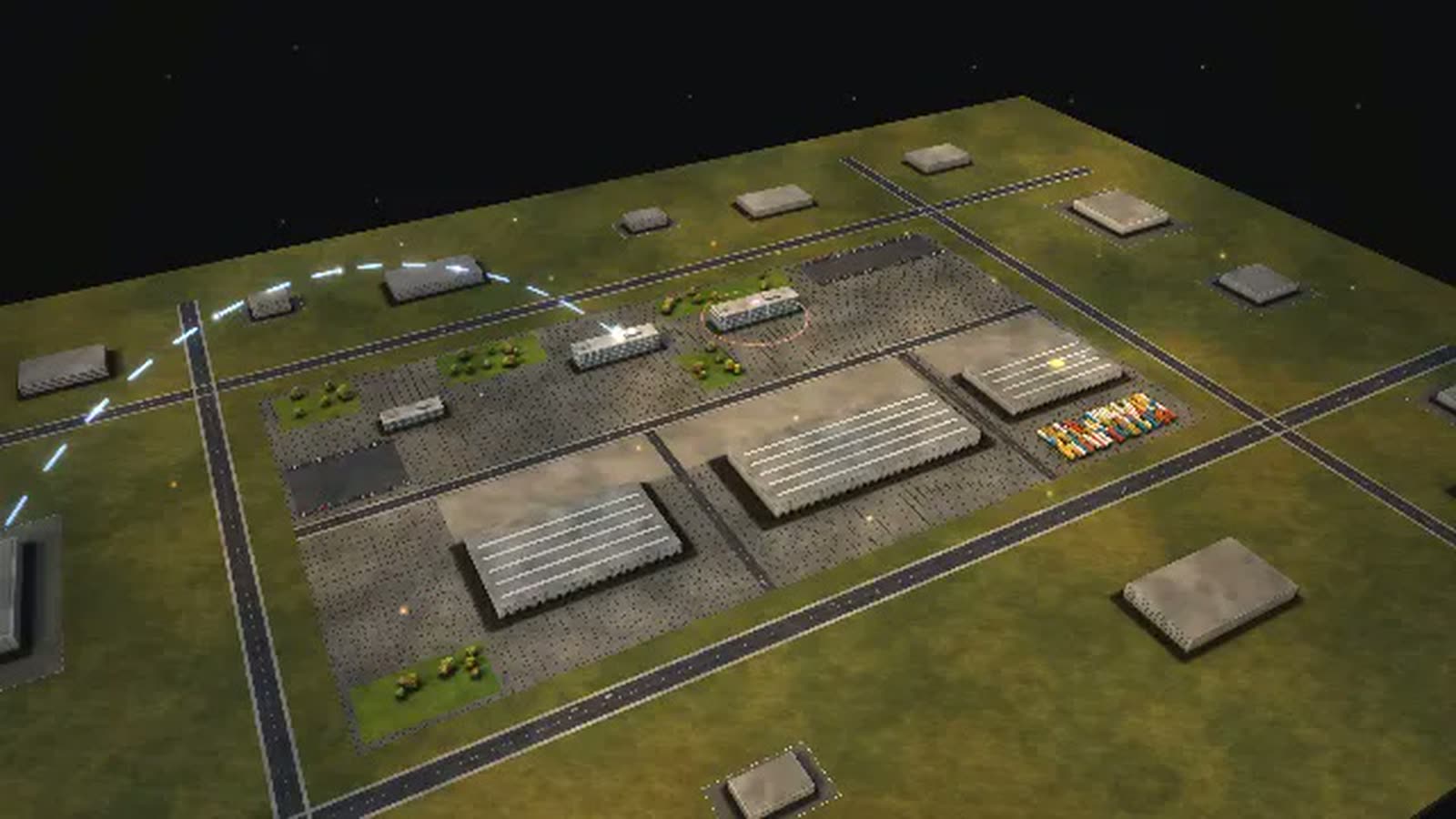
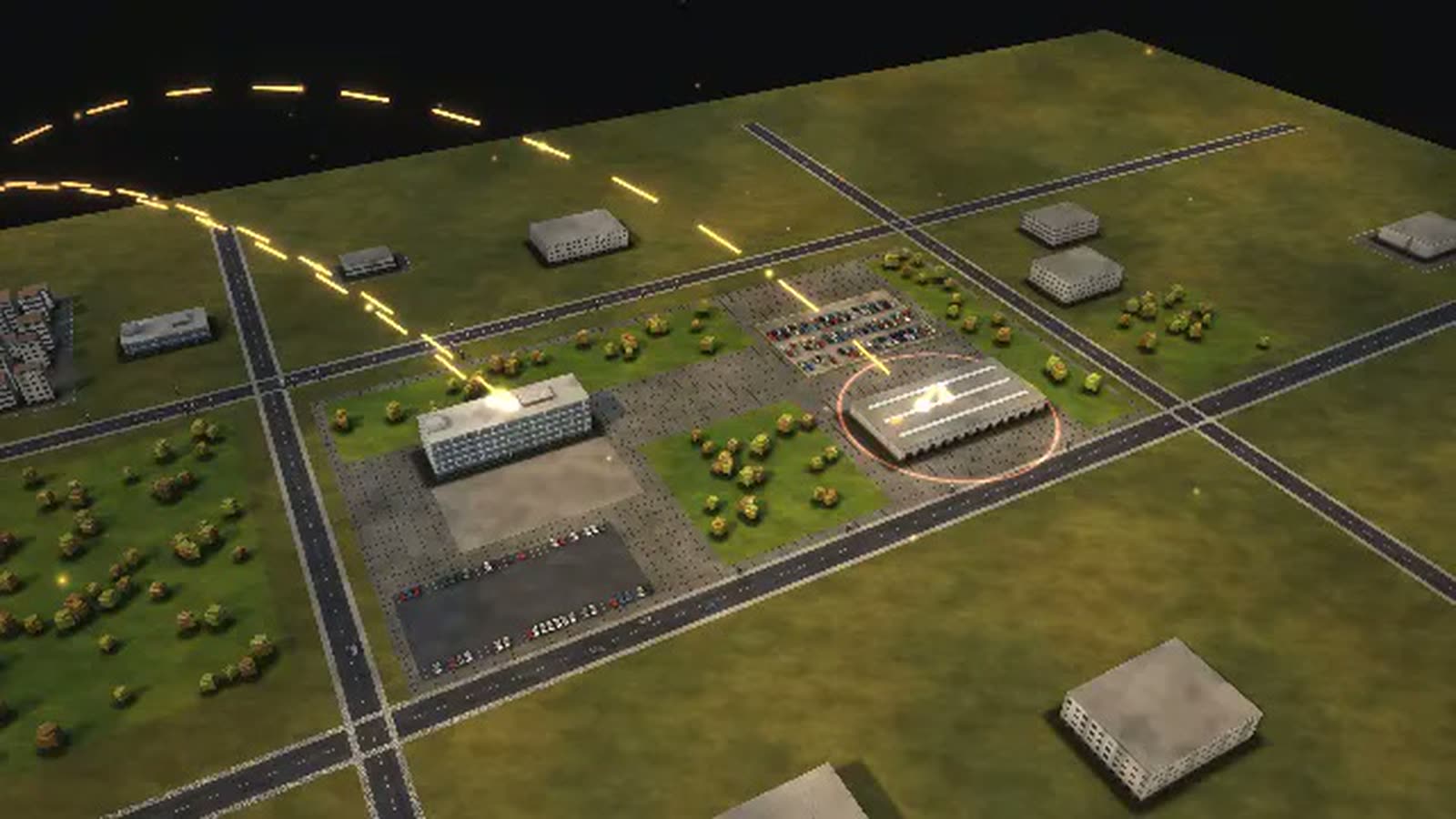
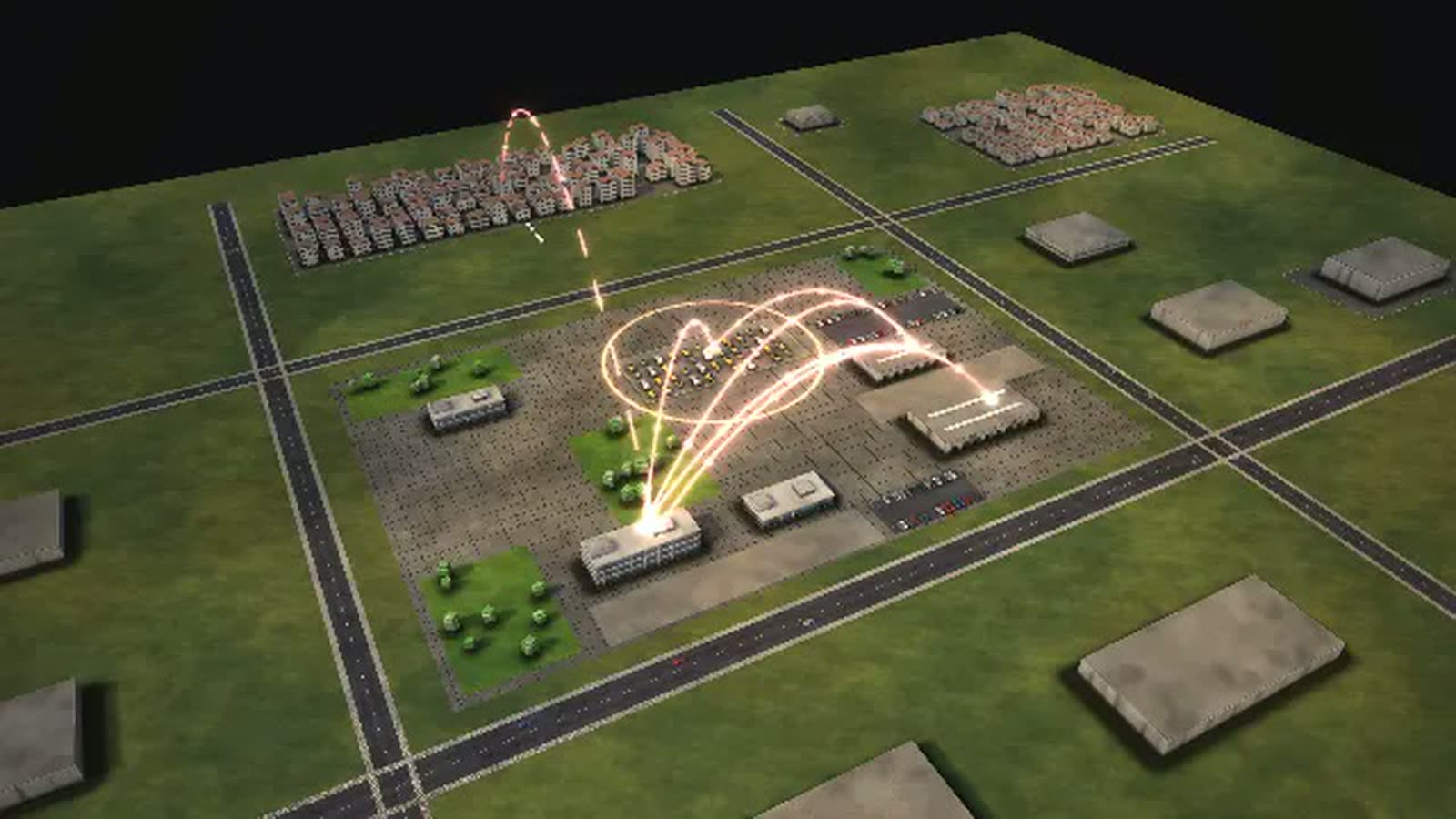
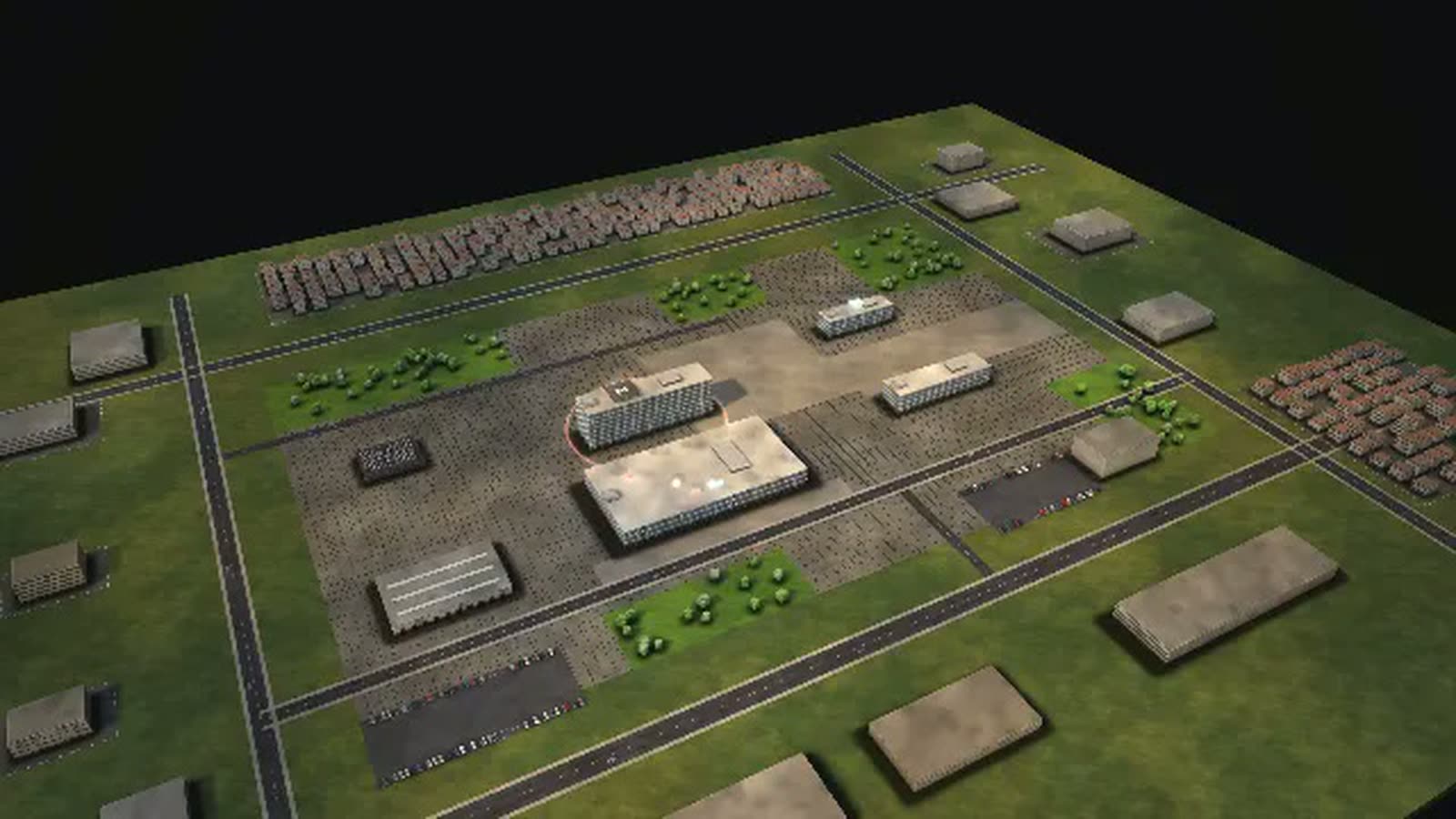
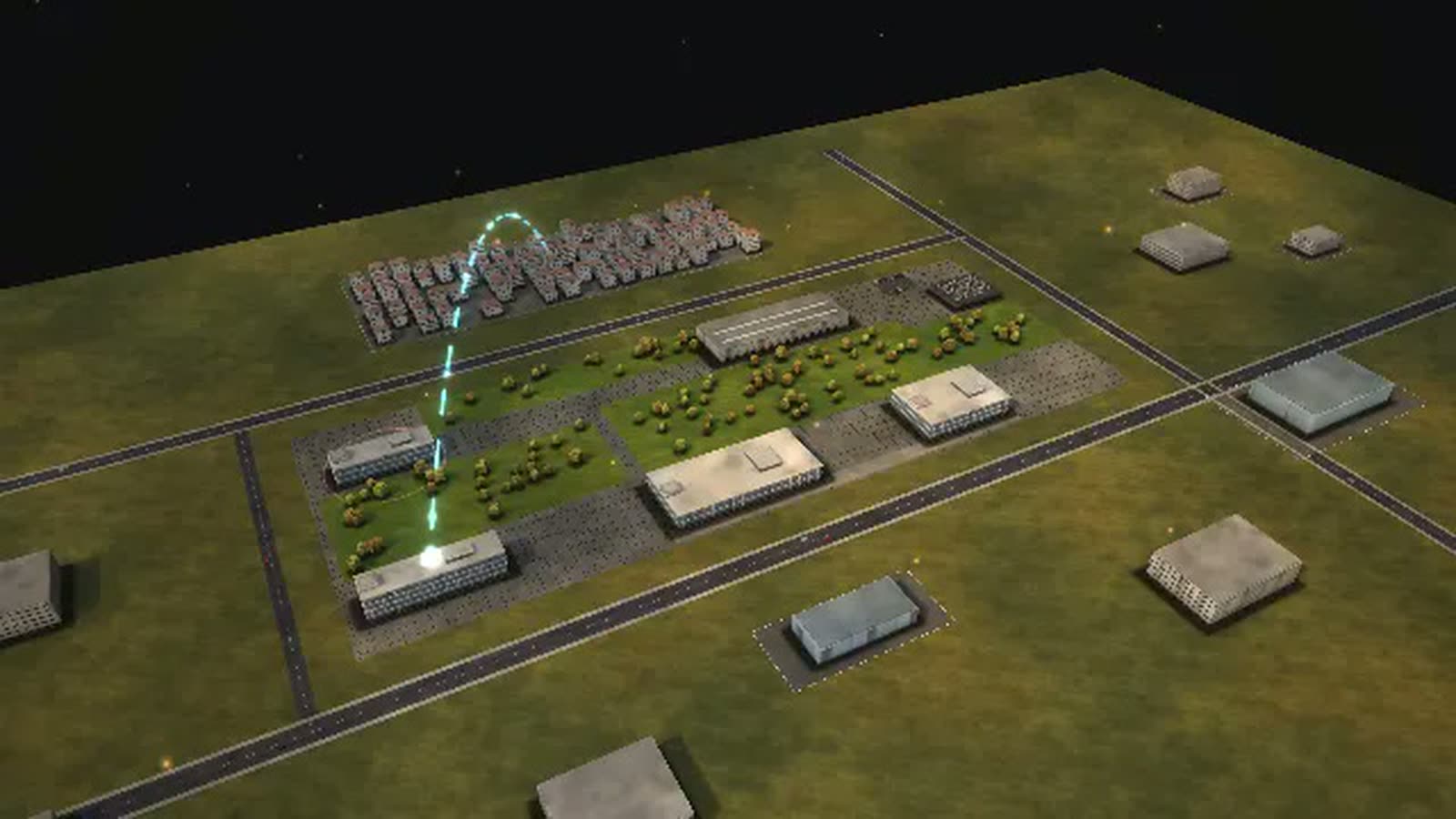
A construction and infrastructure group as a walkable model: see how a viaduct is built section by section and where frost, inspections and variations cost time.
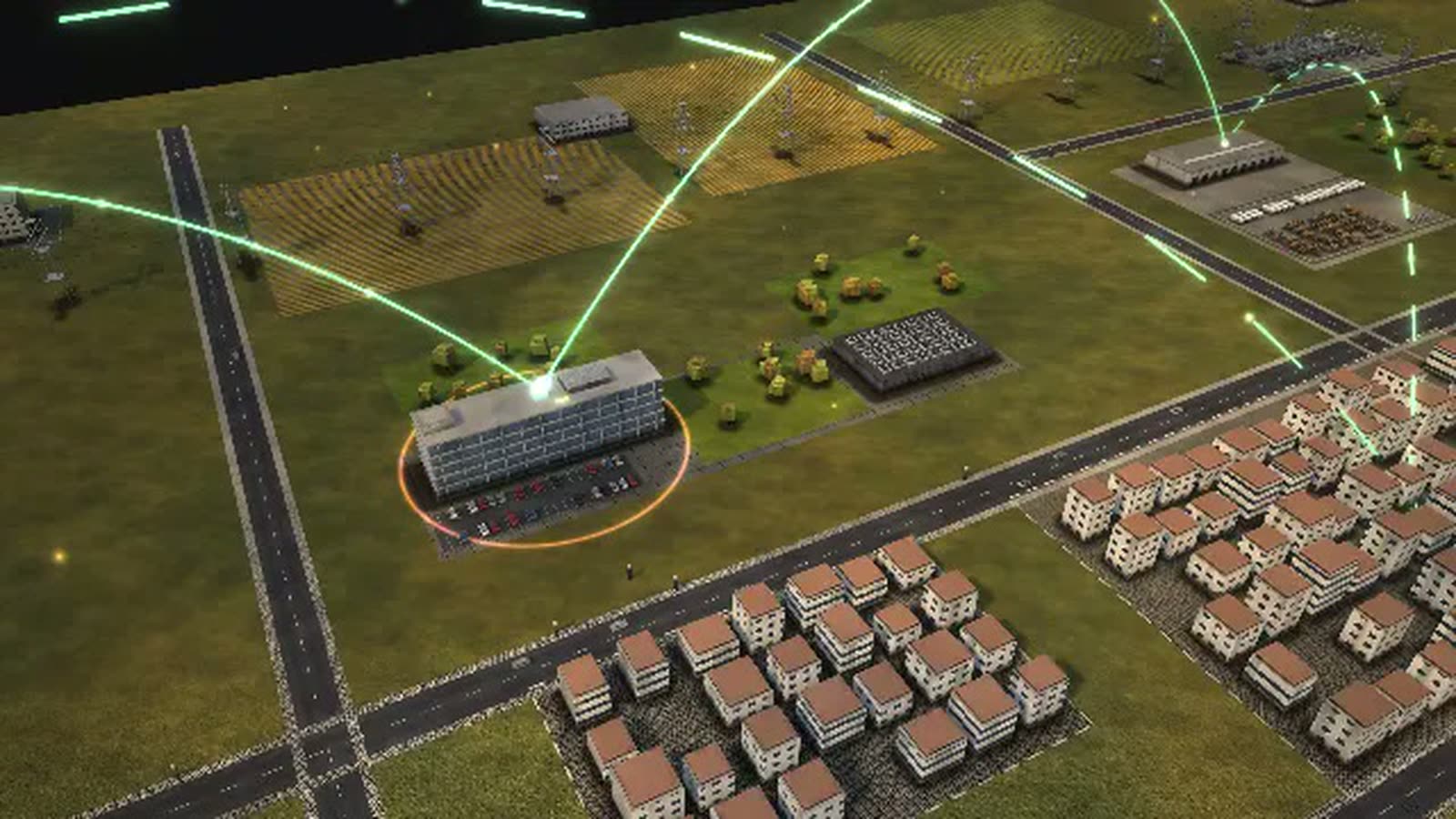
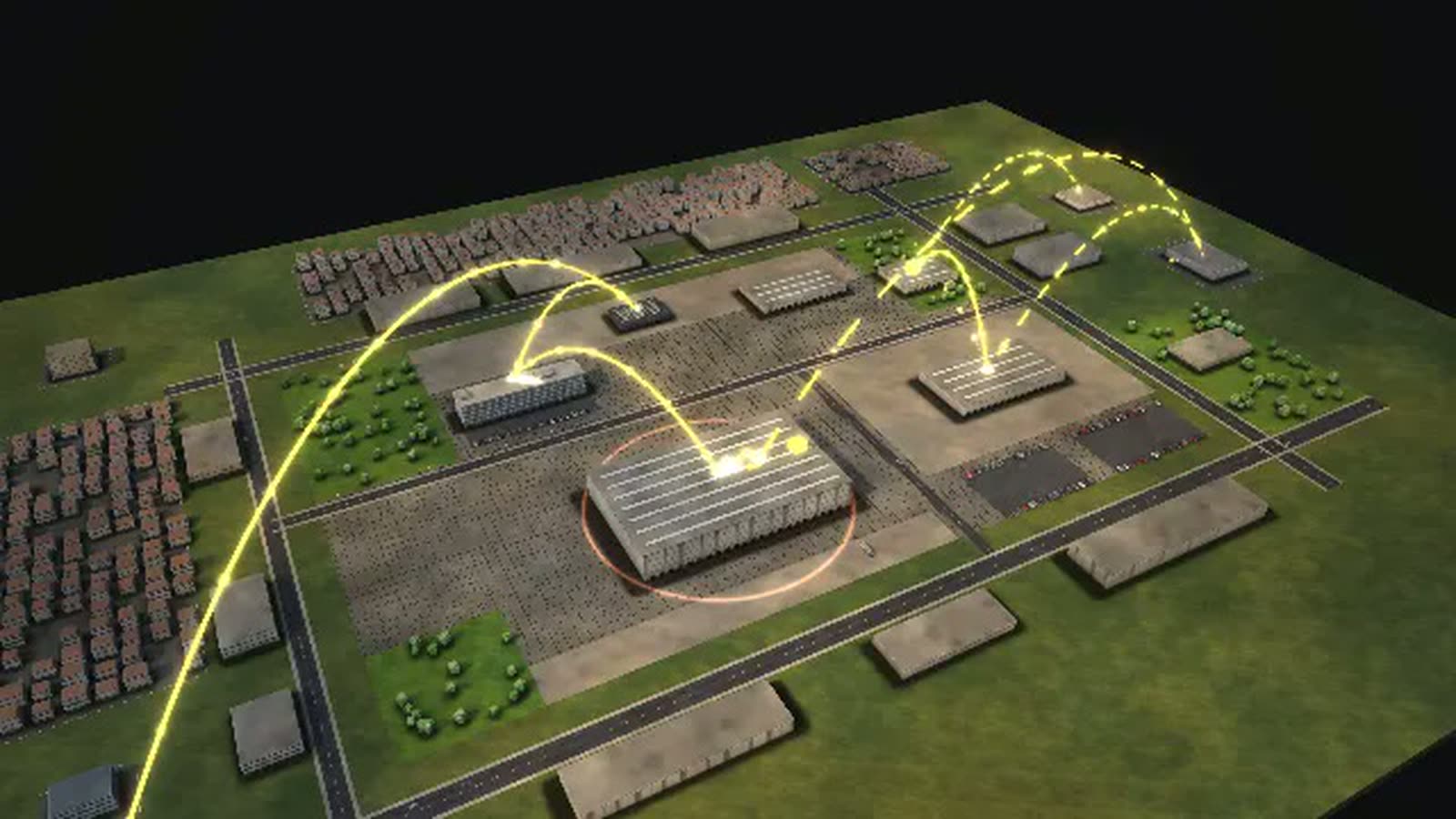
TERRAMONT BAU is invented; quantities and durations are assumptions. With your project data the model shows what schedule and controlling keep apart today – such as the actual cycle per section, or variations and hindrances per trade.
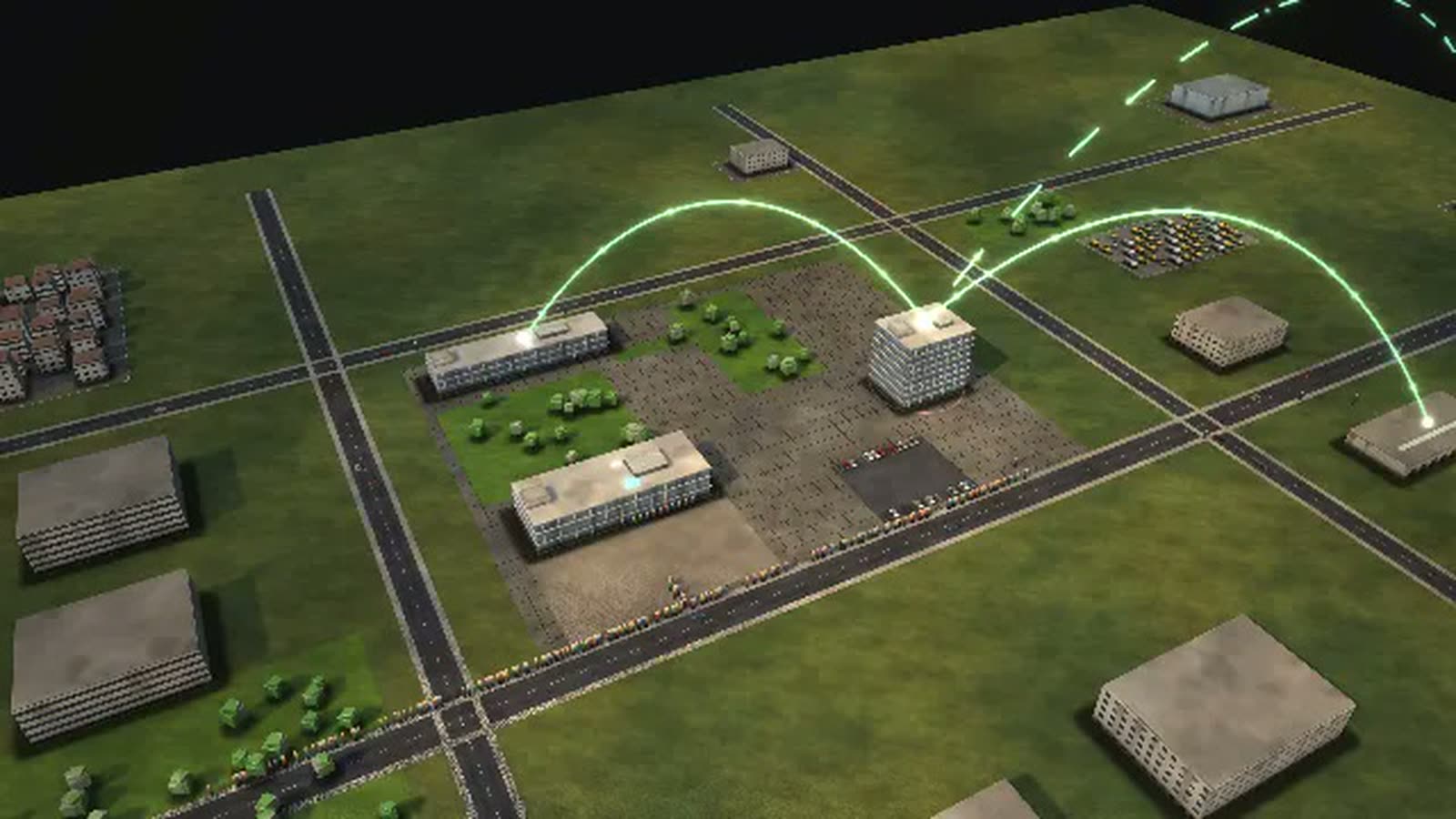
How is a bridge construction project organised, and what is the process on site? The fictional construction group TERRAMONT BAU shows it. Head office is small, the action is outside: every project is a temporary organisation with a joint venture, subcontractors and a client who pays.
One section of the viaduct, built in cycles: the engineering office prepares it, the crew sets the formwork and fixes the reinforcement, the checking engineer accepts it while procurement calls off the concrete, then the section is cast, the concrete hardens and the launching girder moves one span forward. Target in the model: one section within twelve days.
In frost, casting and hardening take much longer; in a storm the cranes stand still. Prefabrication at the plant and clash detection in the model save time and variations. Alongside run a public tender, a variation because the ground differs from the plan, and the handover of a structure. Written for executive management, project and site management, estimating, contract management, young talent and public clients.
A bridge section is built
- 01
Work preparation: drawings and bar schedules: The engineering office prepares the next section: drawings, bar schedules, concrete order.
- 02
Set formwork, fix reinforcement: The crew sets the formwork and fixes the reinforcement.
- 03
Checking engineer and concrete call-off run in parallel.
- 04
Checking engineer accepts reinforcement: The checking engineer accepts the reinforcement.
- 05
Call off concrete: Procurement calls off the concrete.
- 06
Accepted, concrete coming.
- 07
Concreting: A section is cast in one go.
- 08
Concrete hardens: The concrete hardens.
- 09
Launching girder moves forward: The launching girder moves one span forward.
- 10
Section done.
How a construction group can use the model
-
Internal communication
Head office, plant yard, workshop, precast plant, site and joint venture on one map. ‘Who sits where – and reports to whom’ shows how little happens at head office.
Per chiExecutive management, communications, project leads
-
Onboarding
New site managers, foremen and commercial staff see who works with whom in the temporary organisation: client, partner firm, subcontractors, checking engineer.
Per chiNew staff in site management, engineering office and commercial
-
Training
Apprentices and students trigger ‘Frost’ or ‘Storm: cranes stand still’ and watch the bridge cycle shift. ‘The ground differs from the plan’ teaches notices of hindrance and variations.
Per chiConstruction apprentices, civil engineering work-study students, trainees
-
Explaining to clients
Public clients see where a section's twelve days go and why frost and inspections need time. ‘Who works with whom’ shows the roles on both sides.
Per chiProject management, business development, public clients
-
Strategic overview
Prefabrication, clash detection in the model and partnering side by side: ‘What each control does’ shows the effect on variations and duration.
Per chiExecutive management, estimating, contract management
What is shown – why – for whom
| Cosa viene mostrato | Perché | Per chi |
|---|---|---|
| Diagram ‘Year, week, day’: the cycle of sections and the frost | Perchéshows weather in the construction schedule | Per chiSite management, client |
| Diagram ‘Where the time goes’: hardening and inspection | Perchéshows where the twelve days go | Per chiSite management, work preparation |
| Diagram ‘Who works with whom’: client, joint venture, subcontractors, checking engineer | Perchéshows the temporary organisation | Per chiProject management, client |
| Diagram ‘Who sits where – and reports to whom’: head office, site, plant | Perchéshows how little happens at head office | Per chiBoard, young talent |
| Diagram ‘What each control does’: prefabrication, clash detection, partnering | Perchéshows the effect on variations and duration | Per chiClient, board |
| Process ‘The ground differs from the plan’ | Perchéshows notice of hindrance and variation | Per chiContract management, client |
| Process ‘A public tender arrives’ | Perchéshows the award procedure under German procurement law (GWB, VOB) | Per chiEstimating, sales |
Departments in the model
-
Management
Approves bid prices and carries the risk.
-
Business development
Decides where to bid.
-
Estimating and bids
Prices every item of the bill of quantities.
-
Engineering office (work preparation, BIM)
Plans the construction sequence, checks drawings in the model.
-
Procurement
Awards subcontracts, calls off concrete and steel.
-
Equipment centre
Machinery, cranes, workshop.
-
Precast plant
Casts walls and slabs regardless of weather.
-
Site management (in the joint venture)
Leads the temporary project: schedule, cost, partners.
-
Foremen and crews
Formwork, reinforcement, concreting.
-
Contracts and claims
Gives notice of hindrance, files variations.
-
Controlling and billing
Target and actual, progress payments, final account.
-
Safety and quality
Instructs, inspects, checks.
All processes in the model
A bridge section is built
- 01Work preparation: drawings and bar schedules: The engineering office prepares the next section: drawings, bar schedules, concrete order.
- 02Set formwork, fix reinforcement: The crew sets the formwork and fixes the reinforcement.
- 03Checking engineer and concrete call-off run in parallel.
- 04Checking engineer accepts reinforcement: The checking engineer accepts the reinforcement.
- 05Call off concrete: Procurement calls off the concrete.
- 06Accepted, concrete coming.
- 07Concreting: A section is cast in one go.
- 08Concrete hardens: The concrete hardens.
- 09Launching girder moves forward: The launching girder moves one span forward.
- 10Section done.
A public tender arrives
- 01Client issues tender: A state agency tenders a bridge EU-wide.
- 02Bid or no bid?: Business development decides: does the project fit capacity and risk?
- 03No bid.
- 04Estimating and subcontractor enquiries run in parallel.
- 05Pricing all items: Estimating prices quantities per item.
- 06Subcontractor quotes: Subcontractors send quotes.
- 07Estimated.
- 08Management approves the price: Management sets risk margins and approves the price.
- 09Client evaluates, standstill period: The client evaluates the bids; losers are informed in advance.
- 10Lost.
- 11Review by the procurement tribunal: An unsuccessful bidder turns to the tribunal.
- 12Handover to the project team: Award: estimating hands over to the project team.
- 13Won.
The ground differs from the plan
- 01Notice of hindrance: At the river pier the drill hits rock instead of gravel: notice of hindrance.
- 02Variation proposal: Claims management calculates the extra cost.
- 03Client reviews the variation: The client reviews – often the longest waiting point.
- 04Negotiating the amount: Negotiating the amount.
- 05Adjudication: An adjudicator decides provisionally.
- 06Book the variation: Controlling books the variation.
- 07Settled.
A structure is handed over
- 01Report completion: Site management reports completion and requests acceptance.
- 02Acceptance with the client: Joint inspection, minutes, defects list.
- 03Remedy defects (subcontractors): Subcontractors remedy the defects.
- 04Final account: Controlling issues the final account.
- 05Client checks and pays: The client checks and pays.
- 06Closed.
What you can change
Controls
- Pace target: The client wants to finish earlier: more sections in less time.
- Prefabrication: Reinforcement cages and precast parts from the plant: less time on site (model assumption).
- Clash detection in the model: Design errors show up before construction: fewer variations (model assumption).
- Partnering: Early involvement: more variations are accepted directly (model assumption).
Disruptions
- Frost: Ten days of frost: concreting and hardening take much longer.
- Contamination in the ground: For two weeks hindrances pile up; the crew works slower.
- Subcontractor insolvent: For two months quotes and defect remedies take twice as long.
- Storm: cranes stand still: For two days no cranes may operate.
What the model gives a construction group
-
01
The site in rhythm
One section after another: the model shows formwork, inspection, casting and hardening as a running cycle, with queues as soon as something stalls.
-
02
Weather as a factor
Frost stretches casting and hardening, storm stops the cranes. Seasons and disruptions change the schedule where everyone can see it.
-
03
Understanding variations
Notice of hindrance, variation offer, review, negotiation, mediation: the process shows how unexpected ground becomes a contract issue.
-
04
Testing partnership
With the controls ‘Partnering’ and ‘Clash detection in the model’, the model shows how early involvement and checked designs reduce disputes over variations (model assumption).
-
05
For site meetings and public briefings
Open the model in a browser or put it up on a big wall, at a public information evening about a project or in the training centre.
Basis and limits
Fictional construction group · model based on researched industry structures · no forecast for real companies
1 case = 1 bridge section, 1 tender, 1 variation or 1 acceptance · 1 figure ≈ 10 employees
All volumes, durations, rates and capacities are model assumptions, not values of a real construction group.
The bridge is built in sequence: one section after another, with a launching girder.
Documented: award under GWB and VOB, notice of hindrance and variation under VOB/B, acceptance within twelve working days, joint venture as a separate company.
Public sources the model is based on:
- HOAI 2021 (Leistungsphasen)
- VOB/B (Vergabe- und Vertragsordnung für Bauleistungen)
- GWB Teil 4 und VgV
- BGB §§ 640, 634a, 650a ff.
- Hauptverband der Deutschen Bauindustrie (Arbeitsgemeinschaft)
Your project as a model
We discuss which processes of your company or of a specific project the model should show, and which data you have. You get the password for the simulation from us as soon as you ask for it.
cube4tec.de/spiele/minimal-organization/
Chiedere informazioni
Minimal Organization: Baukonzern
Similar business models
-
Special machine builder
A family-owned special machine builder as a walkable model: how a custom packaging line moves from enquiry to site acceptance and where the 28 weeks go.
-
City administration
A large city's administration as a walkable model: see how a building application moves through the departments, how council and committees meet and where people queue at the counter.
-
Electricity grid operator
A grid operator as a walkable model: see how a solar system or heat pump gets connected and when grid planning becomes the bottleneck.
-
Housing company
A municipal housing company as a walkable model: what happens after a tenant reports a cold radiator, who repairs it and what speeds up the fix.
-
Heating, plumbing and electrical contractor
A heating, plumbing and electrical contractor as a walkable model: what happens after a breakdown call, why the right part in the van matters and when the emergency service hits its limit.
-
University hospital
A university hospital as a walkable model: see where an emergency patient's time goes and why the strongest lever sits on the wards.
-
University
A university as a walkable model: see how an exam turns into a recorded grade, how a professorship is filled and where the academic year creates peaks.
-
Online retail
An order from click to doorstep as a walkable model: payment check, warehouse, packing, trucks, sortation and delivery in a running simulation.
TERRAMONT BAU is invented; quantities and durations are assumptions. With your project data the model shows what schedule and controlling keep apart today – such as the actual cycle per section, or variations and hindrances per trade.